9 Years of an Unheard Voice

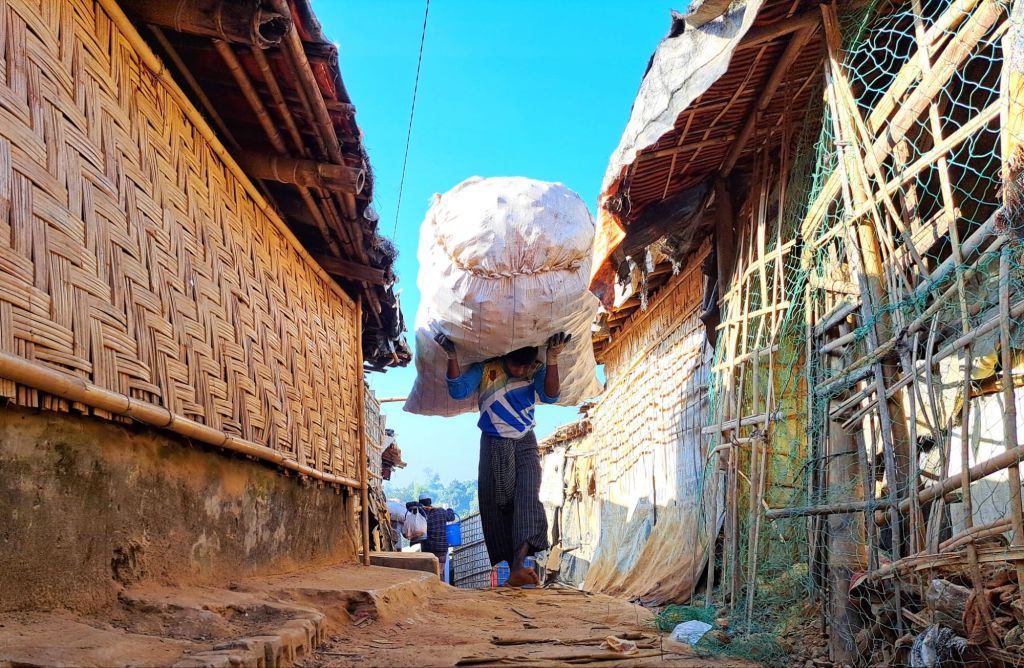
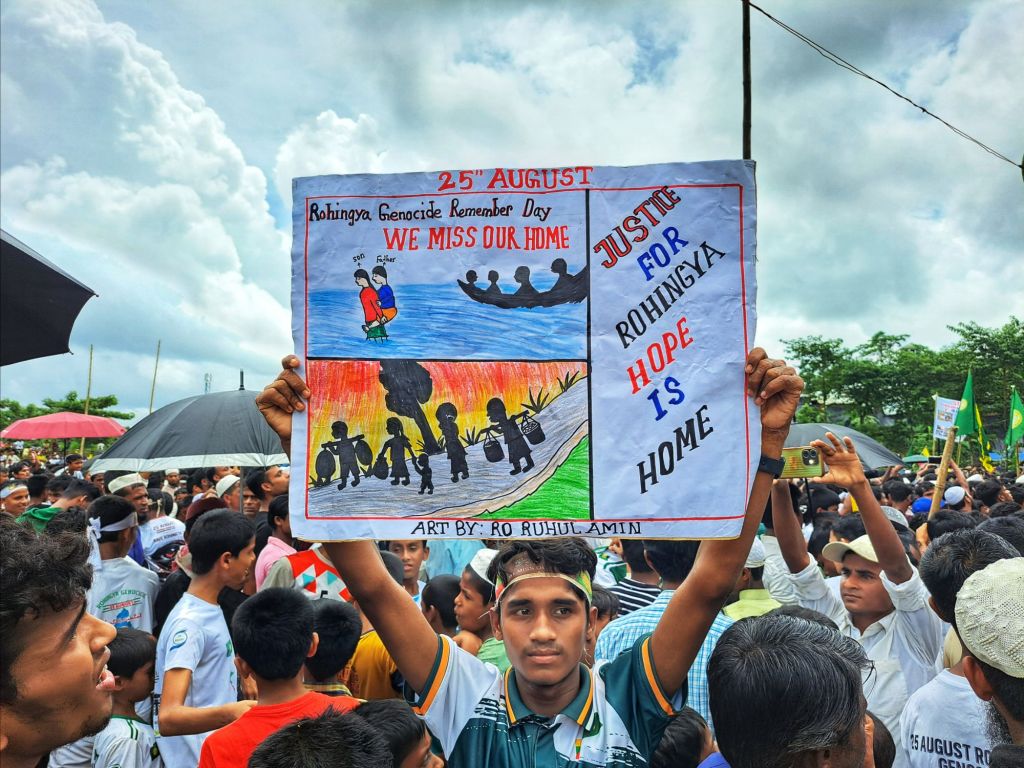
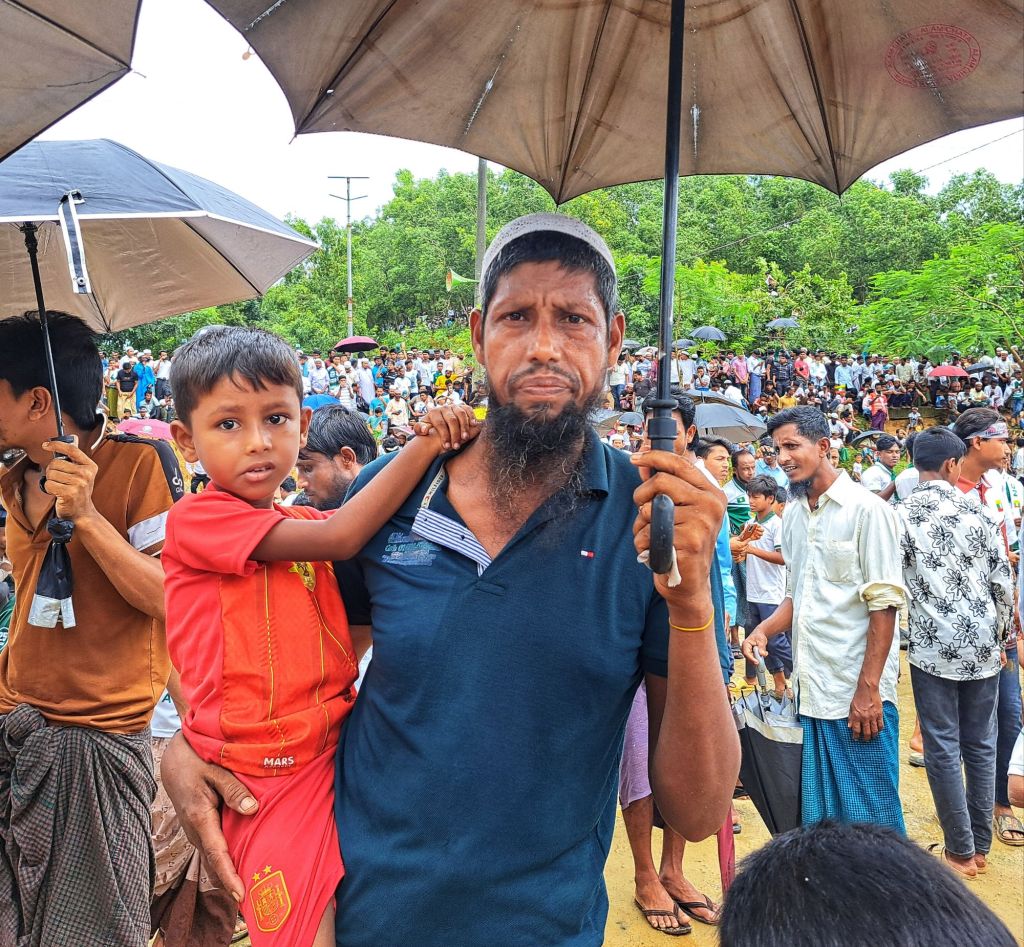
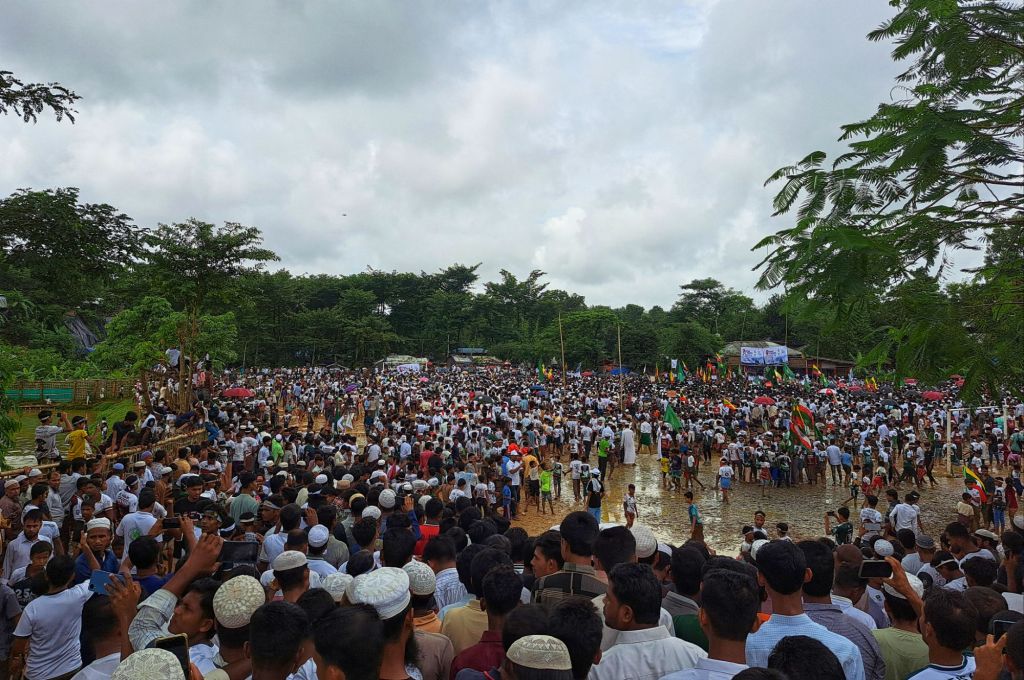
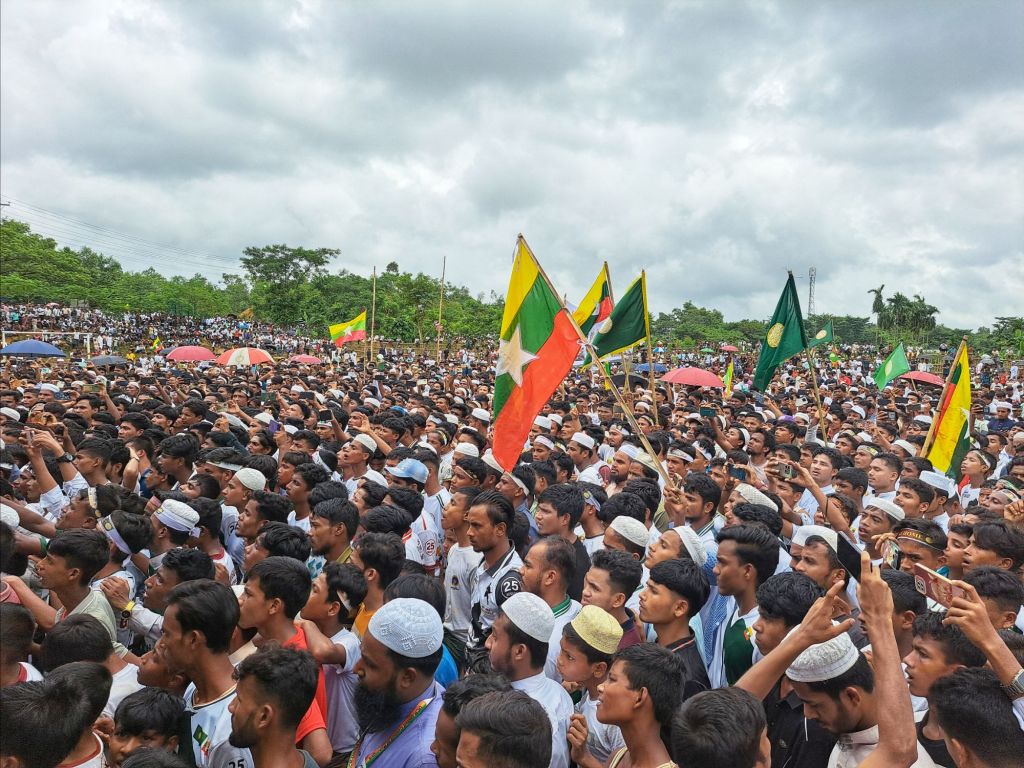
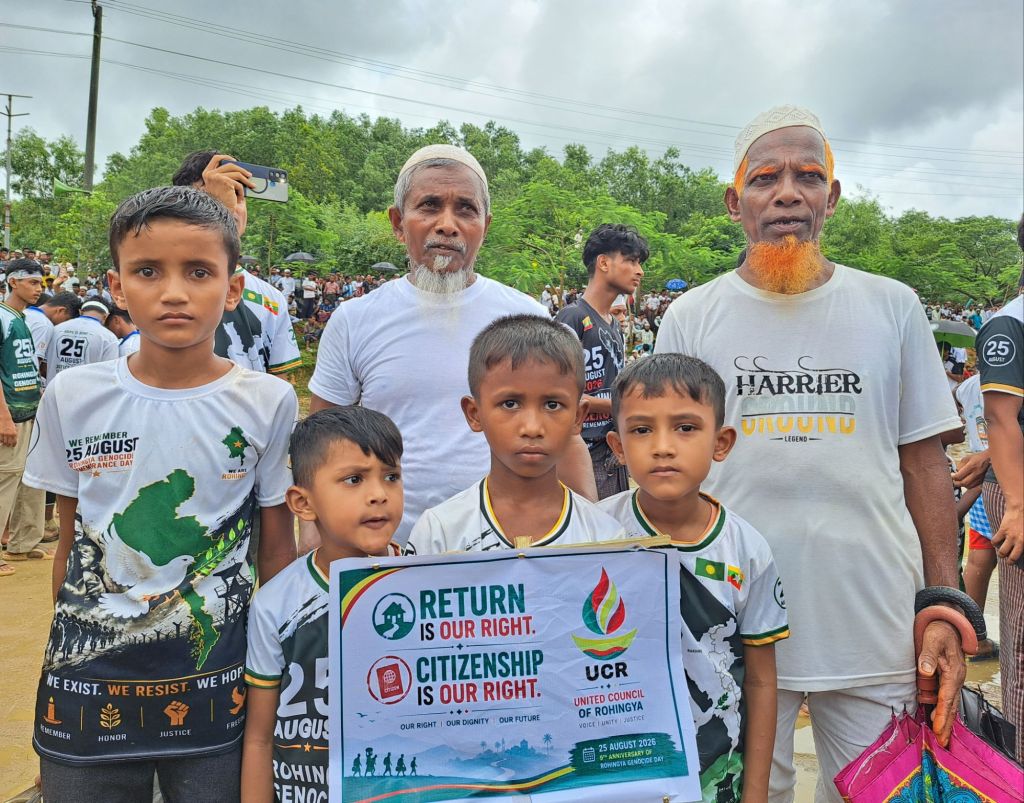
For nine years, the unheard voices of Rohingya genocide survivors have continued to echo across the world, demanding justice for the atrocities committed by the Burmese military.

Yet, the international community, despite hearing these cries, continues to act as though it is deaf and powerless. Justice delayed is justice denied.

The Rohingya community can no longer be expected to endure a life of indefinite displacement, insecurity, and uncertainty as refugees. We continue to call for justice, dignity, safety, and a sustainable solution that respects our fundamental rights.

Our voices may have been unheard for nine years, but they will not be silenced.

25th August is the remembarance day of Rohingya community.

Photos: Nur Kabir

Finding Space to Play in the Rohingya Refugee Camp


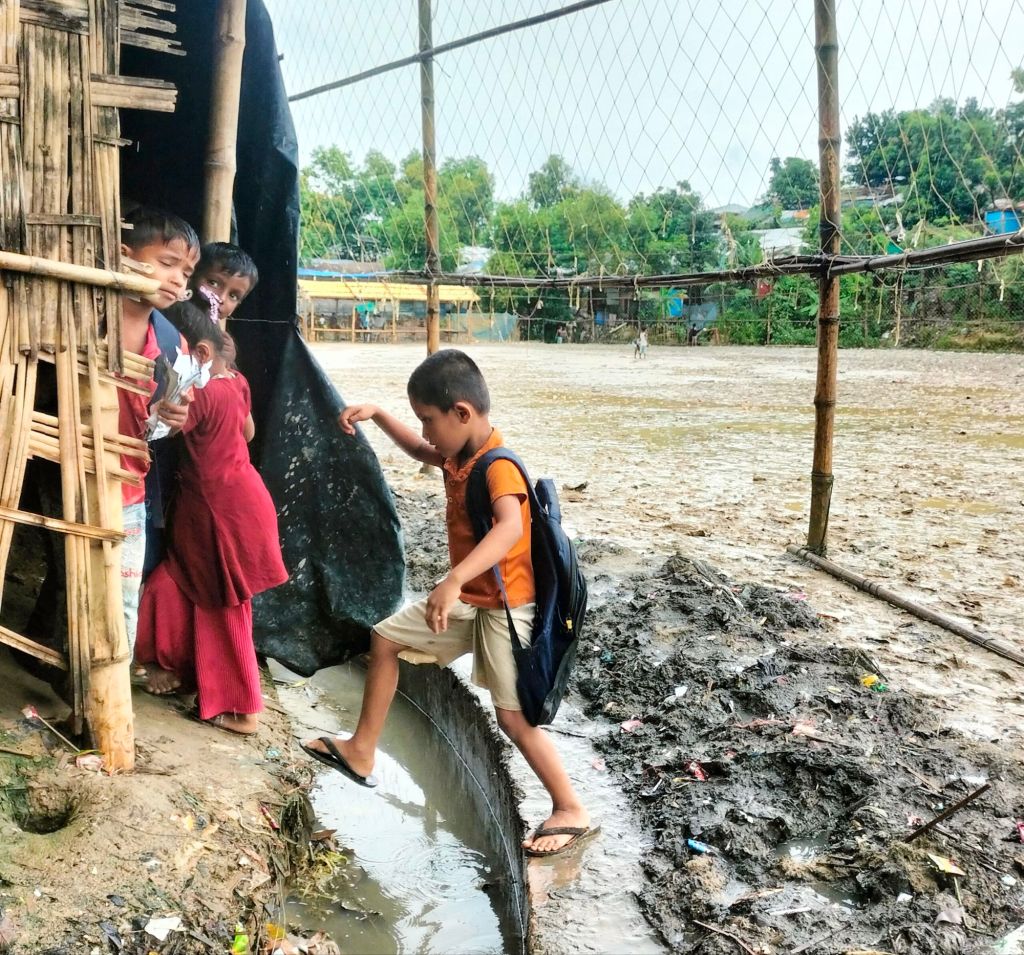
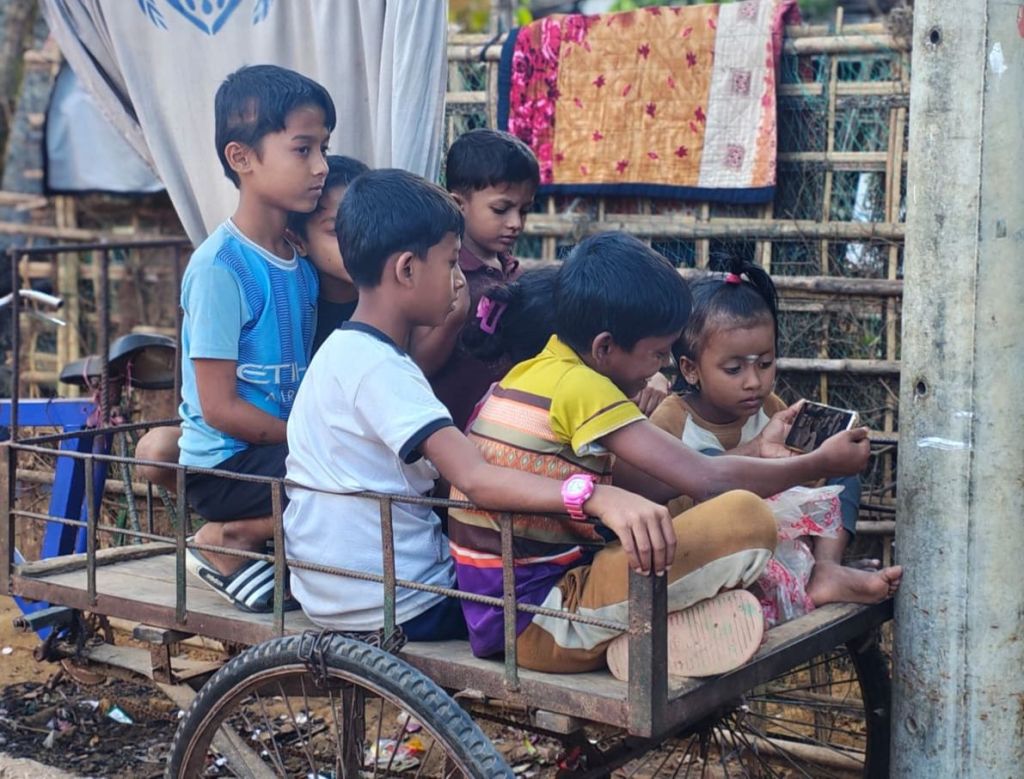
As human beings, children need open spaces to play, explore and develop new life skills. However, the limited space in the Rohingya Refugee Camp in Bangladesh leaves little room for children to play freely.

Wherever they find a small space, they turn it into a playground, even when it is narrow and unsuitable.

In this scene, children sit together in a small pushing vehicle, watching a mobile phone, making the most of the limited opportunities available to them for play and recreation.

Photo: Rj Sayed Nur

Today’s Little Stars, Tomorrow’s Leaders


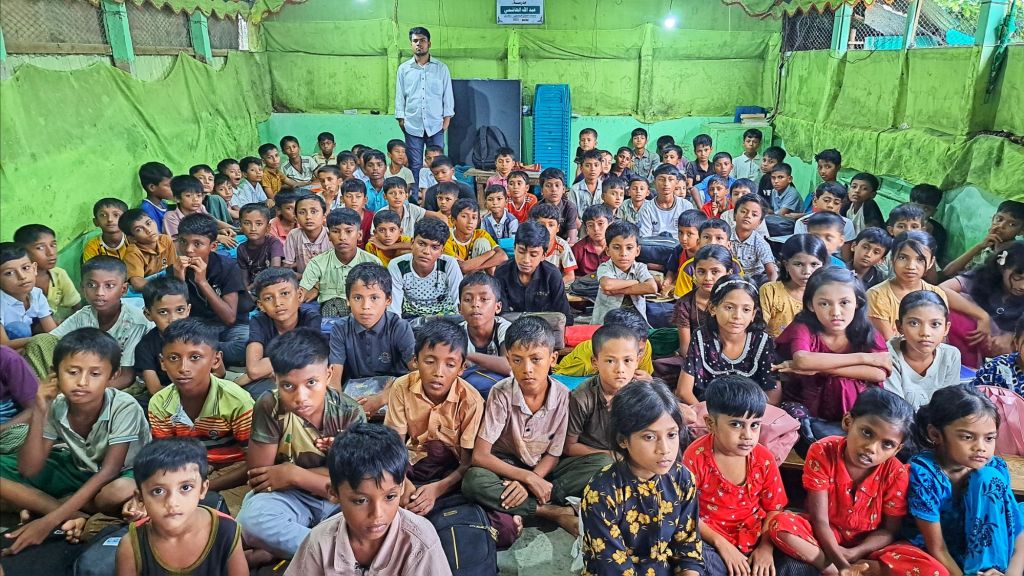
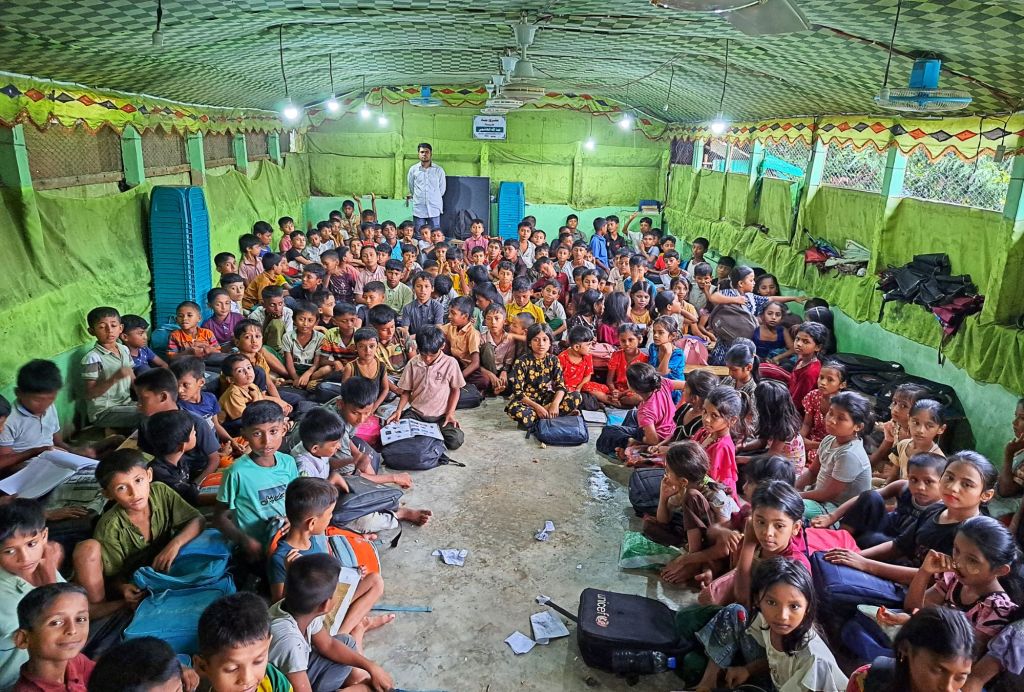
Investing in education today means creating opportunities for generations tomorrow. Education is the foundation that empowers children to become the leaders and changemakers of the future.

However, thousands of Rohingya students living in refugee camps in Bangladesh remain deprived of access to formal learning opportunities.

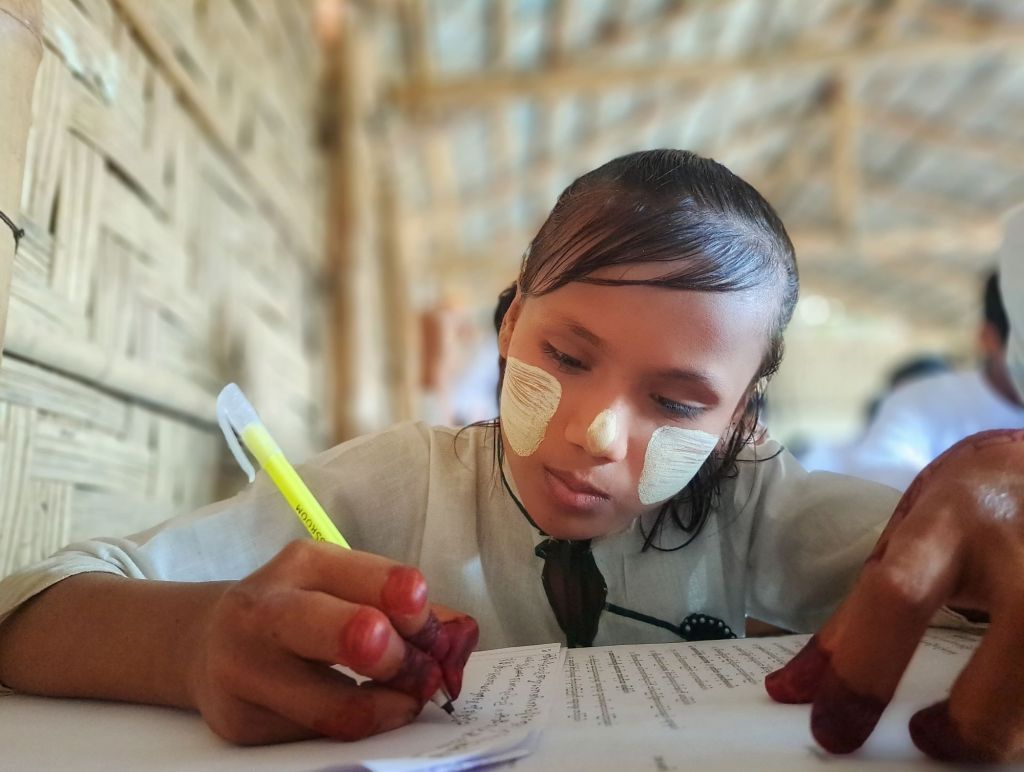
Life Destination High School has become a place of hope where hundreds of young stars are receiving quality education through the dedication and commitment of community teachers.

These little stars are not only learning today and they are building the skills and dreams that will shape a brighter tomorrow.

Photos: Jannat Ullah ( Nur Kabir)

Learning Through the Faint Glow Light

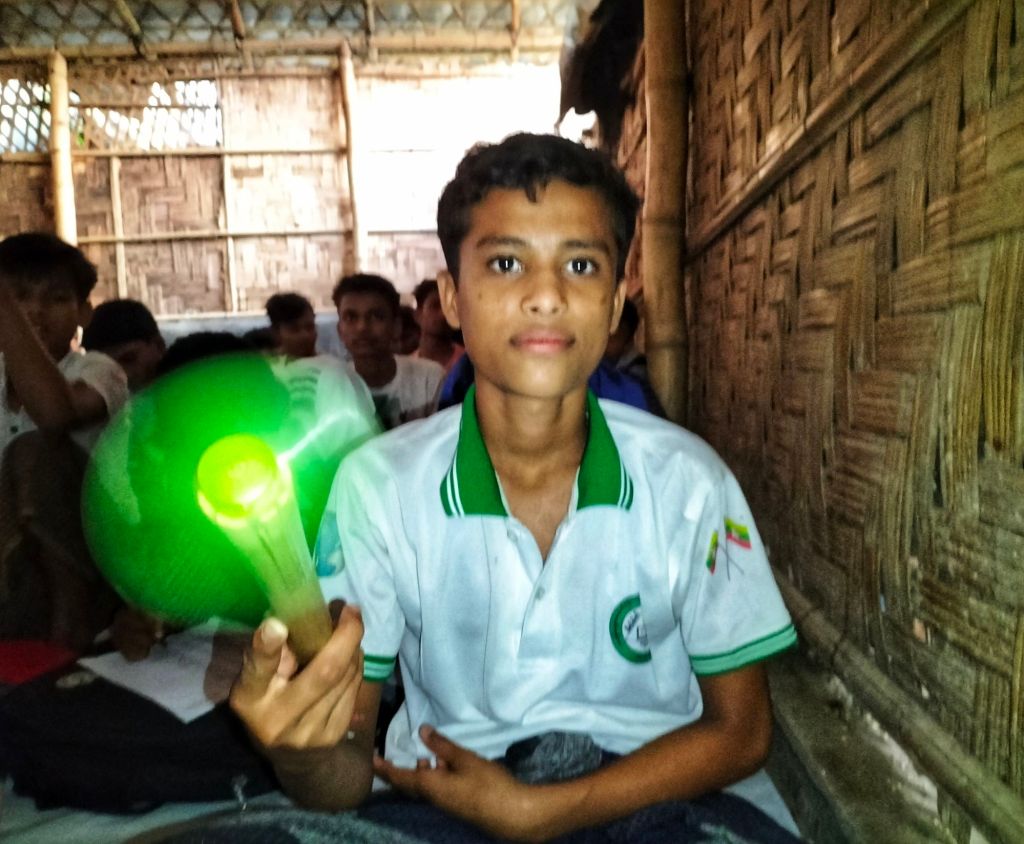
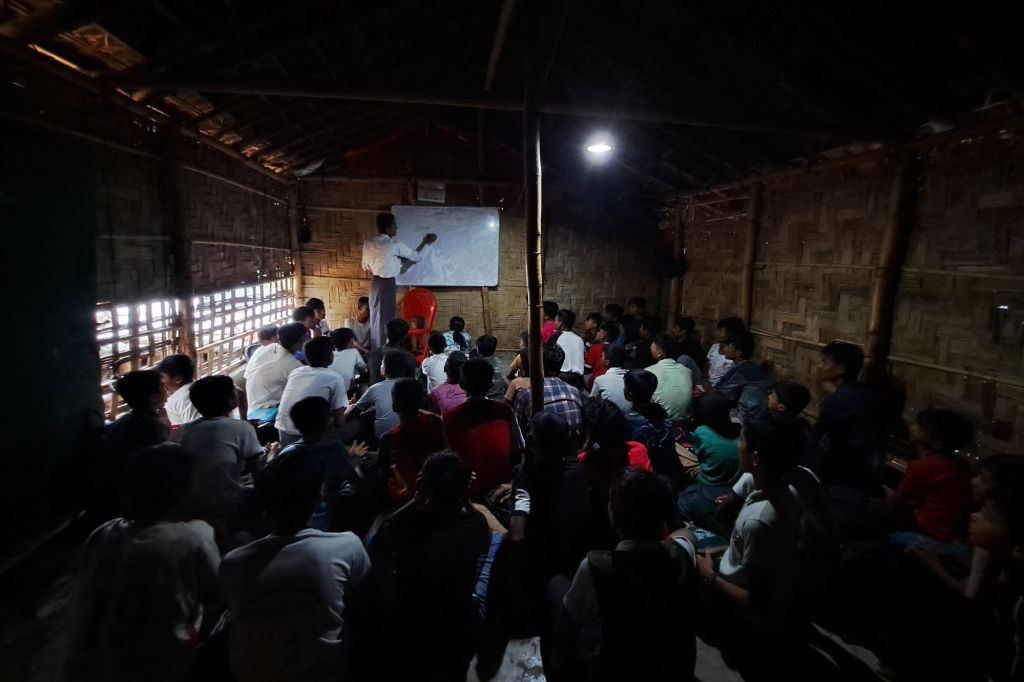
In the darkness beneath the open sky, Rohingya students in the refugee camps of Bangladesh continue to search for light through education in camp-based community schools.

Life Destination High School is one of the pioneering high schools providing quality education to thousands of students despite the instability, hardship and marginalization of life as refugees.

Even in the most difficult circumstances, education remains a powerful source of hope, dignity and a brighter future for the Rohingya children.

Photo: Nur Kabir ( Jannat Ullah)

Educating Girls, Empowering the Nation


Educating girls means educating an entire nation. When a girl receives quality education, she can transform not only her own future but also the future of her family and community. A family without educated women is like a boat without a rudder, it may move forward but it lacks the means to rise higher.

Every family should have access to educational opportunities that empower girls and women. Investing in girls’ education is an investment in stronger families, educated communities and a brighter future for the entire nation.

Photo: Anuwar Sadek

Every Rohingya Children Deserves Equal Access to Education

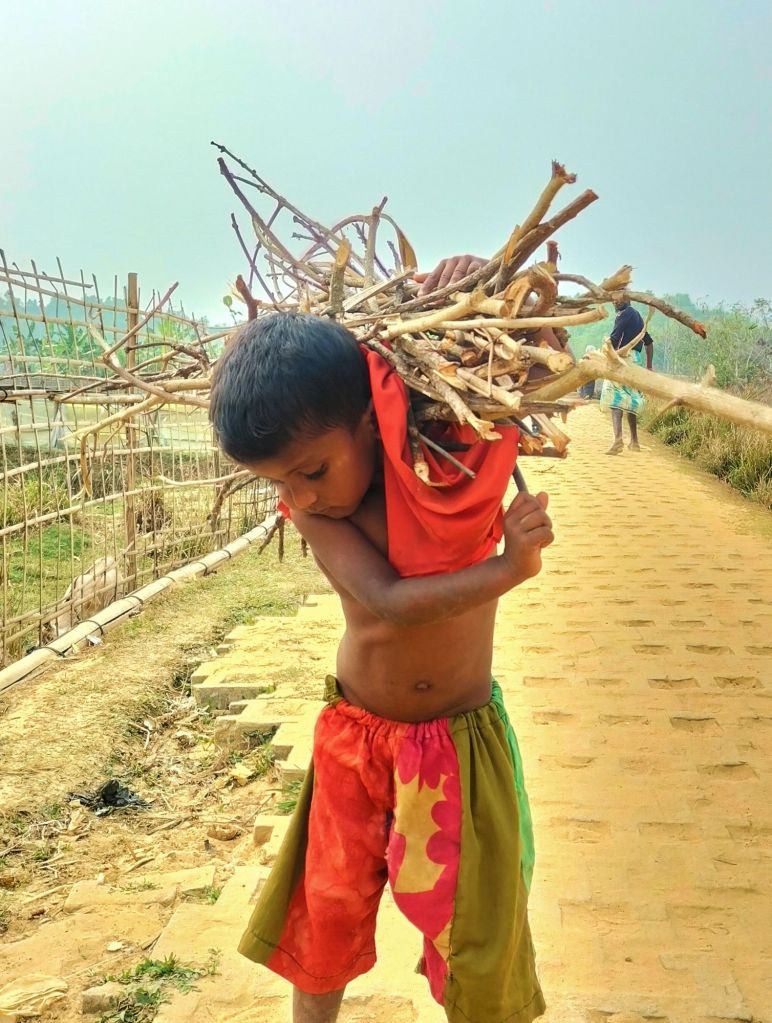
Every child deserves the equal rights in education but thousands of Rohingya children in Rohingya Refugee Camp, Bangladesh are completely banished to receive the proper or formal education and engaged in child labor, gambling and bad activities.

To protect them, the International community must be sure to provide the facilities for higher education which they can show thier talents and achieve success in the future.

Photo: Anuwar Sadek

Thanaka: A Traditional Beauty Practice Among Rohingya Girls

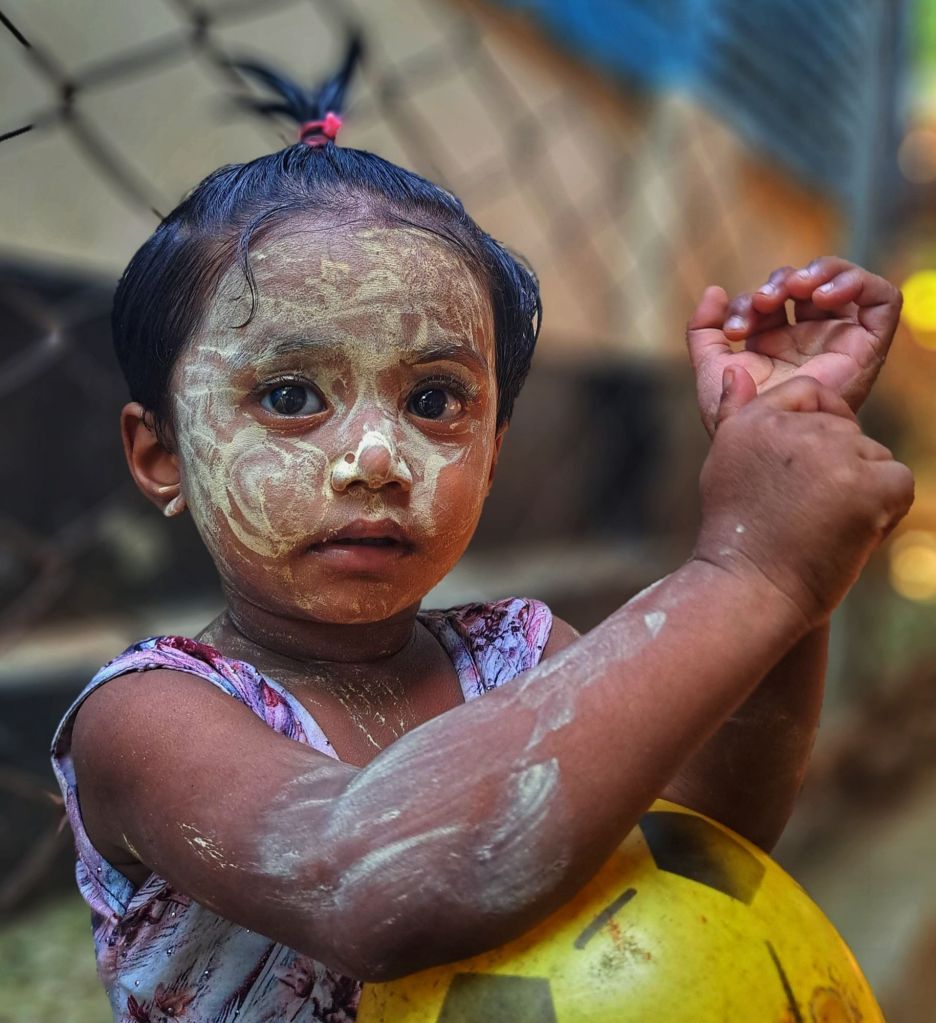
Applying Thanaka to the face is a traditional cosmetic practice in Myanmar that has been passed down through generations. It is commonly used as a natural beauty product and is especially popular during hot weather.


Rohingya girls also enjoy using Thanaka in their daily lives, particularly on hot days. The smooth layer of Thanaka applied to the skin is traditionally believed to provide a cooling and protective feeling while also serving as a natural cosmetic.

For many Rohingya families, its use reflects a cultural connection to the traditions of Myanmar and the wider heritage of the Rohingya community.

Photo: Anuwar Sadek

Young Talent Deserves More Unique Opportunities

This is the era when young talents deserve opportunities to develop their skills beyond the classroom learning. Skills such as basic religious rules, social cohesion, photography, communication, content creation, English speaking, leadership and digital literacy are currently important for the life changing.

Although they are still students, young people have broad and curious minds. They can quickly observe and apply what an instructor teaches when they are given the right guidance.

Therefore, all the community based and NGO learning facilities should create such opportunities to develop young talents.

Investing young talents today mean the building of a capable community tomorrow.

Photo: Anuwar Sadek

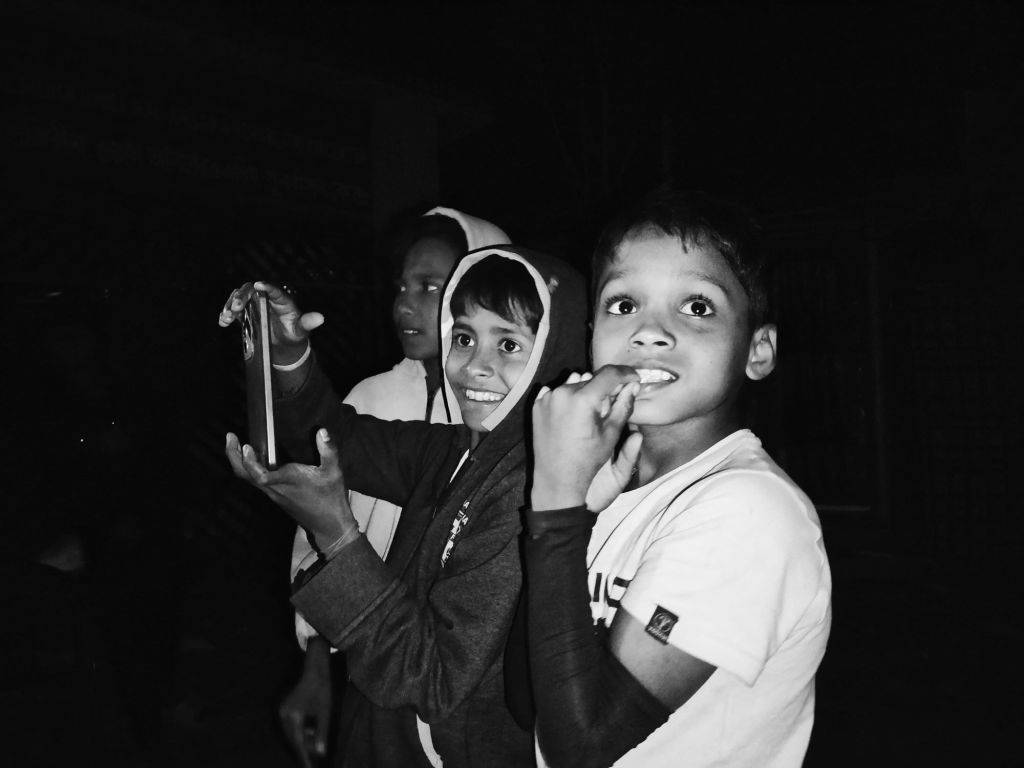
Note:

These three students enjoyed in learning photography skills at night during they played.

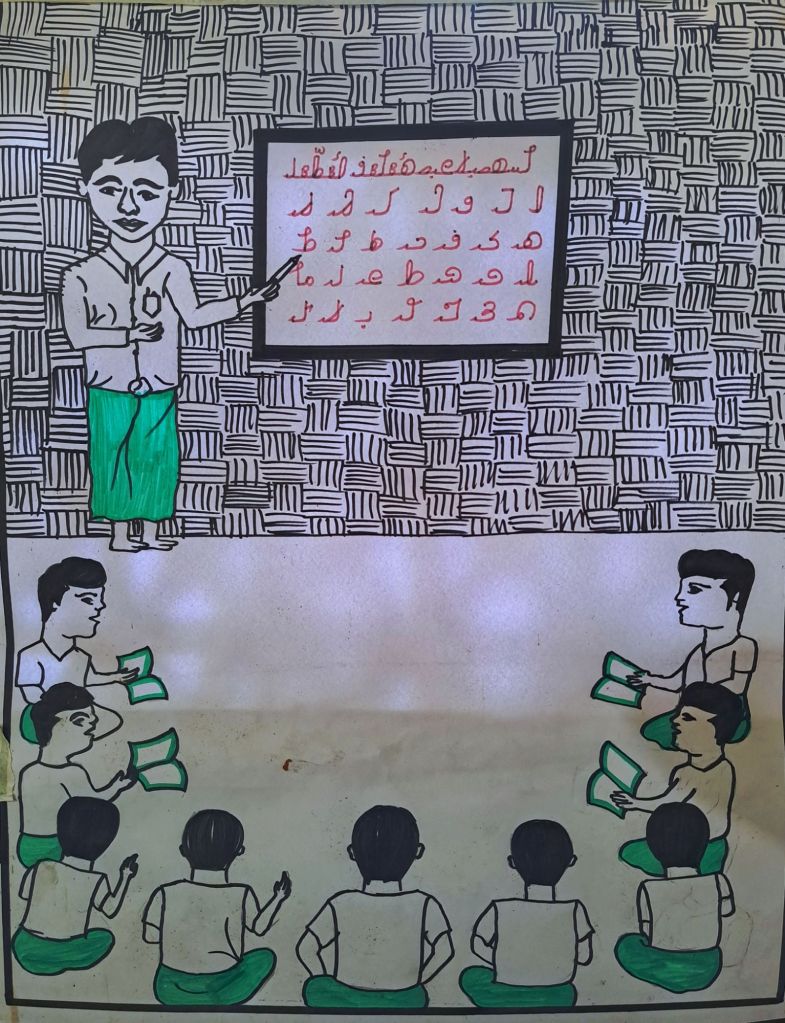
Art: The Voice of Million Humans Emotion

Art is a powerful voice that expresses the emotions, struggles, hopes and stories of millions through the creativity of artists.

This artwork speaks about the rich Rohingya culture and their mother tongue, both of which are essential to preserving their identity, heritage and history.

It reflects the resilience of the Rohingya people and reminds the world that their language and culture are treasures that deserve recognition, protection and respect.

Photo: Anuwar Sadek

The Shadow, the Peaceful Moment


Once, Arakan was blessed with abundant natural beauty, where people cultivated and traded a variety of fruits. Beneath the shade of towering trees, they would gather to rest, share stories, exchange gossip, and listen to the latest news from their community.

At times, the elders recited traditional poems, and villagers gathered around to listen, preserving their rich cultural heritage through oral storytelling and verse.

In the Rohingya refugee camps in Bangladesh, people are unable to experience that same sense of peace because of the overcrowded living conditions and the limited presence of trees and natural spaces.

The tranquil environment that once surrounded their daily lives in Arakan has been replaced by densely packed shelters and a constant struggle for space.

Photo: Captured by Anuwar Sadek during elderly persons gathered to take rest under the shadow of a big tree in Teknaf, Bangladesh

Being Unity is the Strongest Defence Against Children Kidnapping

Unity is our strongest weapon in overcoming the challenges, struggles, and hardships faced by our community. When we stand together, we become stronger and better able to protect one another. A united community is essential in preventing child kidnapping in the Rohingya refugee camps in Bangladesh.


To protect our children from kidnappers, every parent, guardian, and community member must remain vigilant and responsible. Children should never be left unattended when they are outside their shelters, and everyone should immediately report any suspicious activity to the appropriate authorities.


We also urge all community leaders, volunteers, and NGO teachers to raise awareness and pay close attention to this critical issue. By working together, we can create a safer environment for every child.


We sincerely thank the Government of Bangladesh and all relevant organizations and humanitarian actors for their continued efforts to prevent child kidnapping and improve the safety and security of the Rohingya refugee camps.

Photo: Anuwar Sadek

The Greatest Initiative: Launching the Rohingya Language App


For decades, the Rohingya language was largely restricted to spoken communication, with very limited opportunities for reading and writing due to policies imposed by the Myanmar government. Despite these challenges, dedicated Rohingya scholars, particularly Maulana Hanif Rajeb Sahib, worked tirelessly to develop and adapt a writing system for the Rohingya language, aiming to promote literacy among the Rohingya community.

From the early stages of development to its digital transformation, Mr. Mohammed Noor, Director of Rvision, played a leading role in promoting and advancing the language through official collaboration with Children on the Edge and Mukti Cox’s Bazar.

After years of dedication, hard work, and overcoming numerous barriers, the vision has finally become a reality. The Rohingya Language App is now available in the Rohingya refugee camps, enabling smartphone users to learn, read, and write their mother tongue anytime and anywhere.

On 17 July 2026, the app was officially launched with the legal permission and support of the relevant authorities of Bangladesh, marking a historic milestone in the preservation and development of the Rohingya language and culture.

Photos: Anuwar Sadek