What does it mean to be a good person?
Educating the Girls is Decorating the Nation
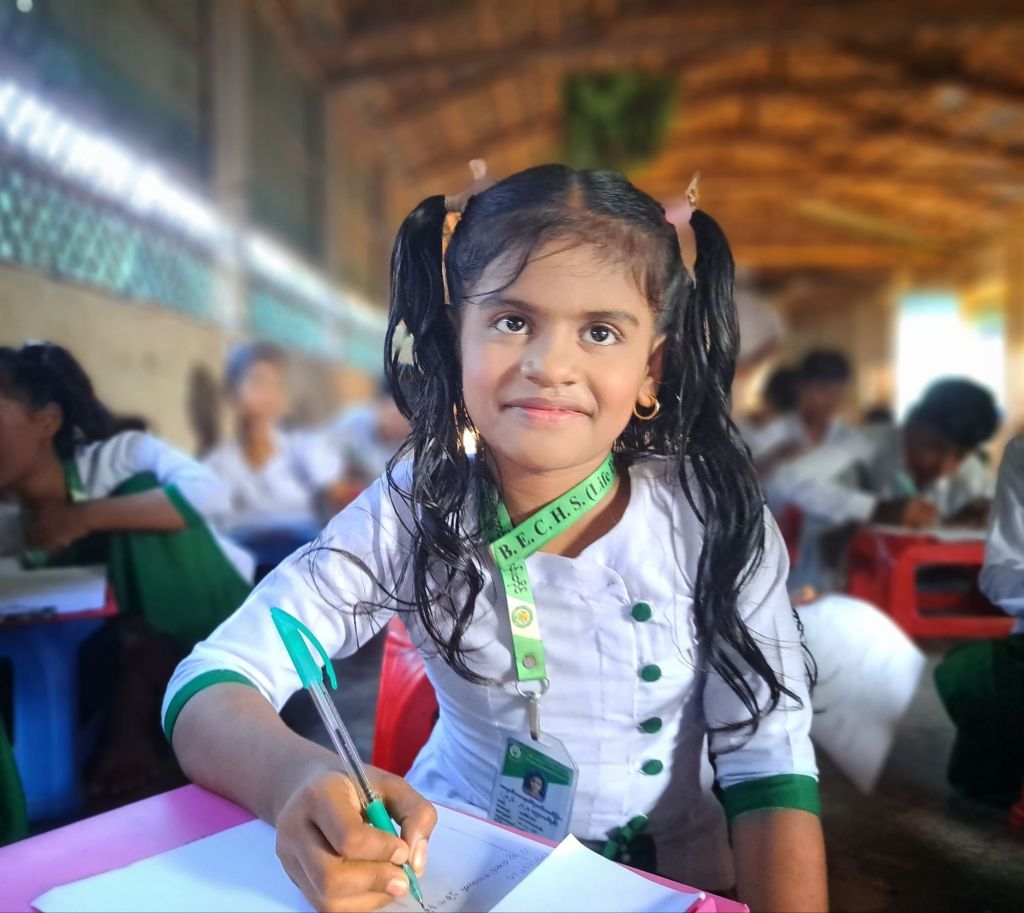
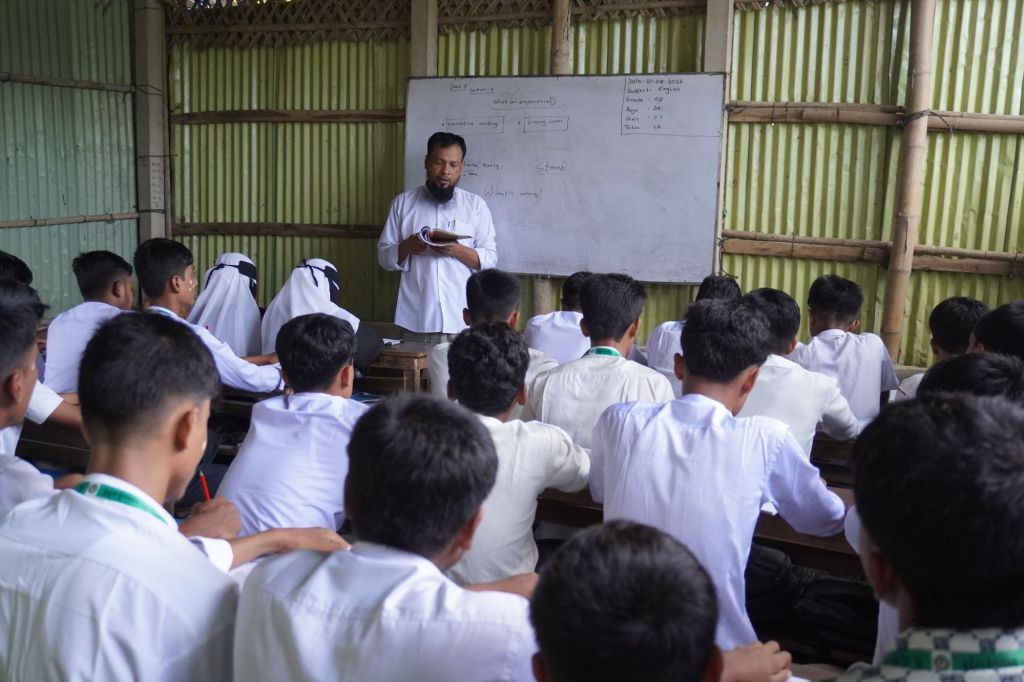
Life Destination High School in Rohingya Refugee Camp, Bangladesh is a school which offering the opportunity for the hundred of young girls to be granted quality education.
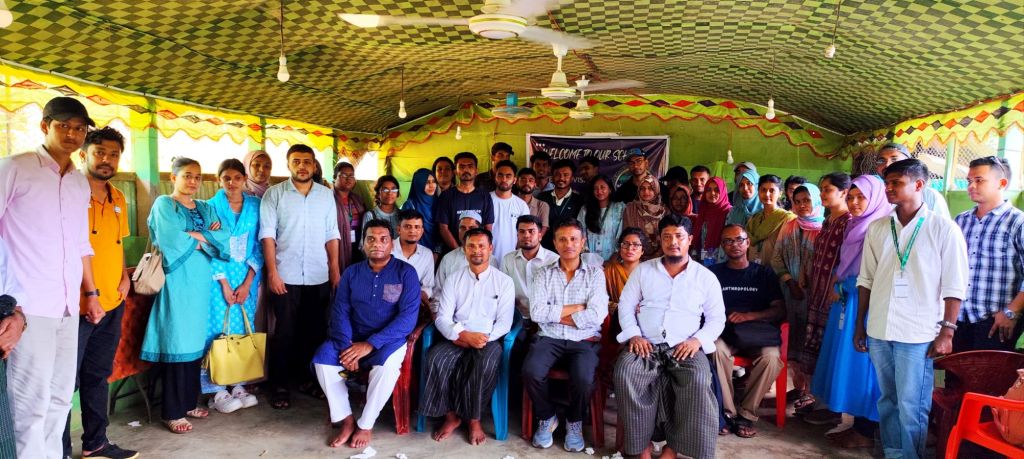
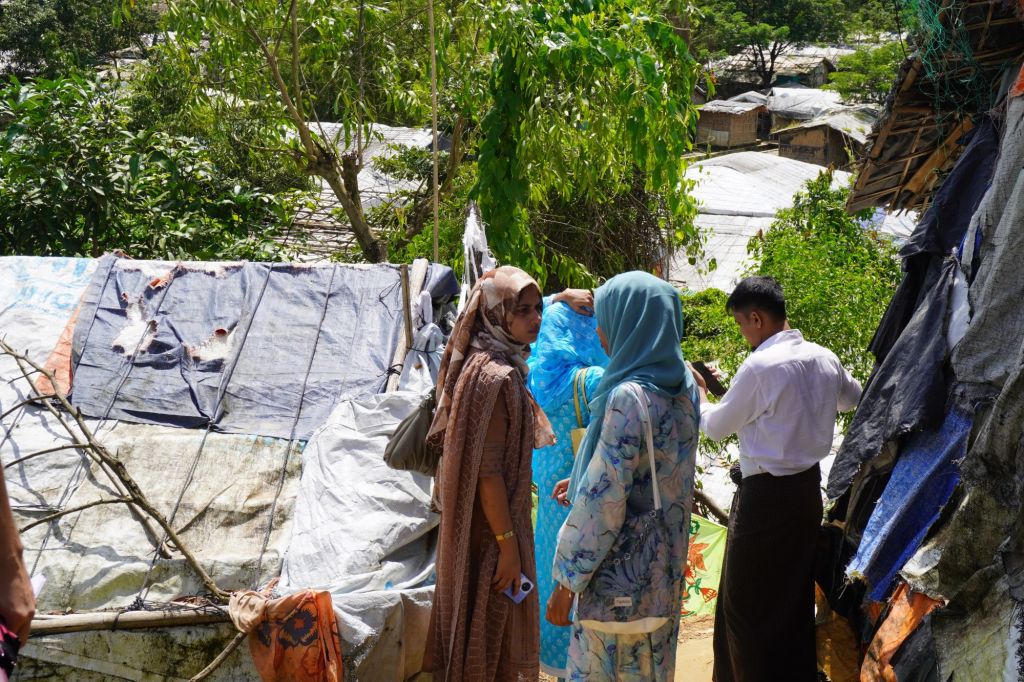
Honoured to Welcome Jahangirnagar University
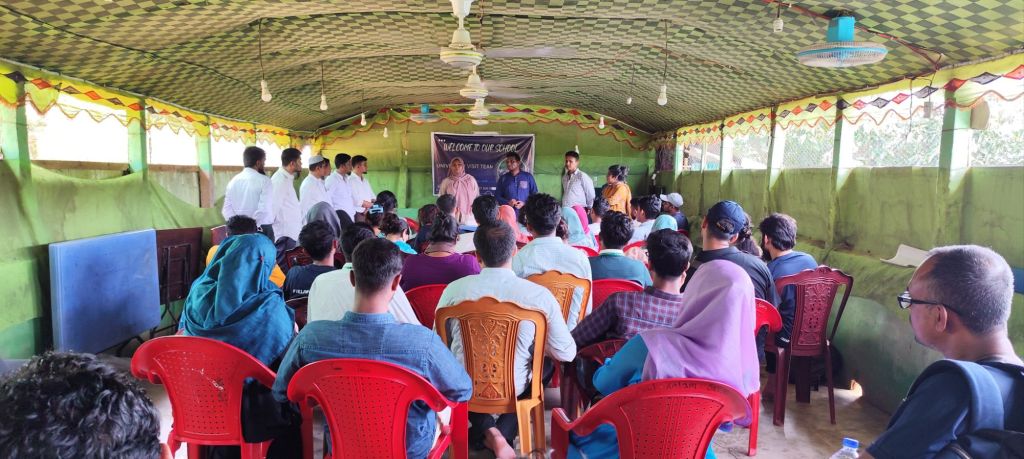
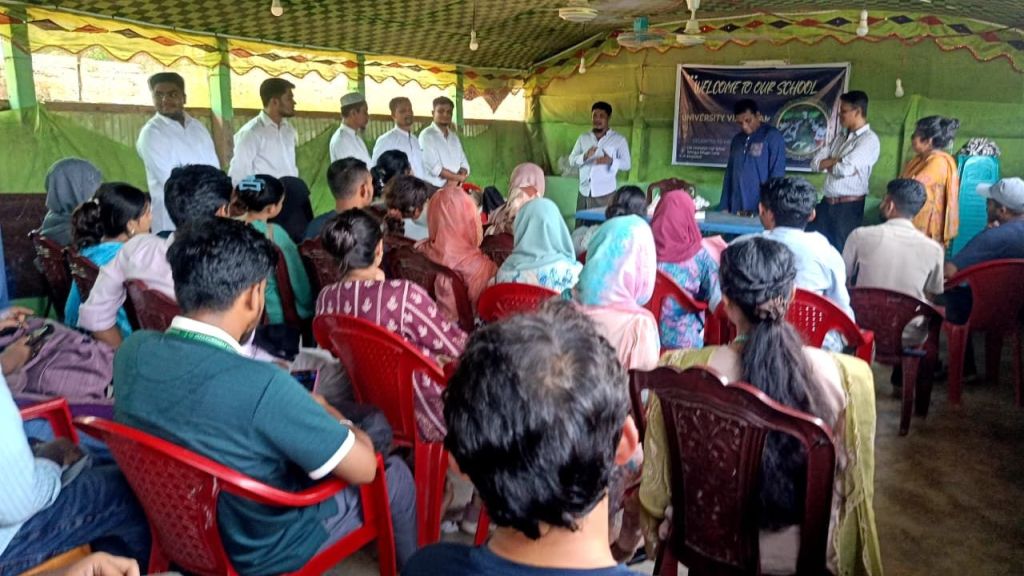
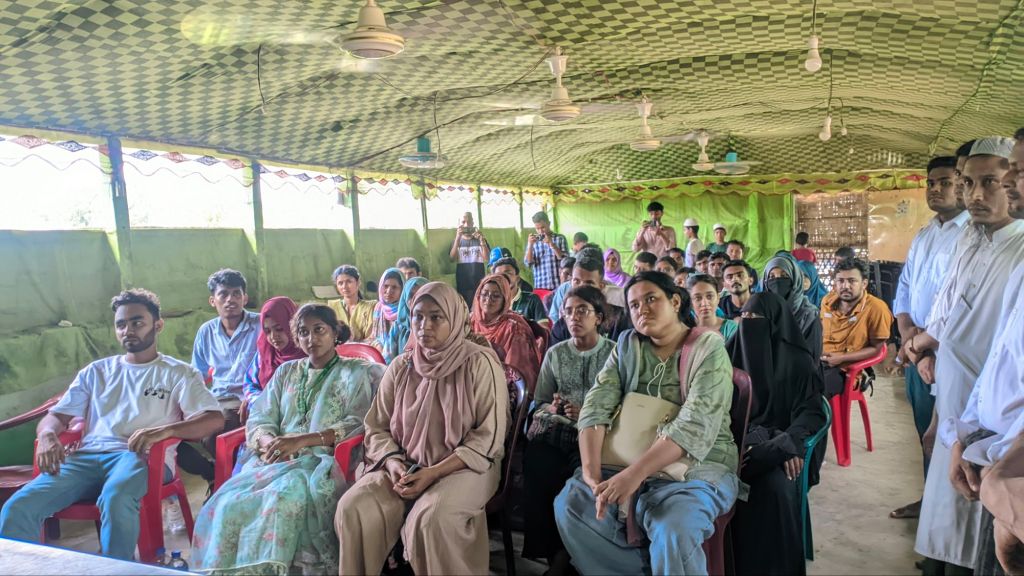
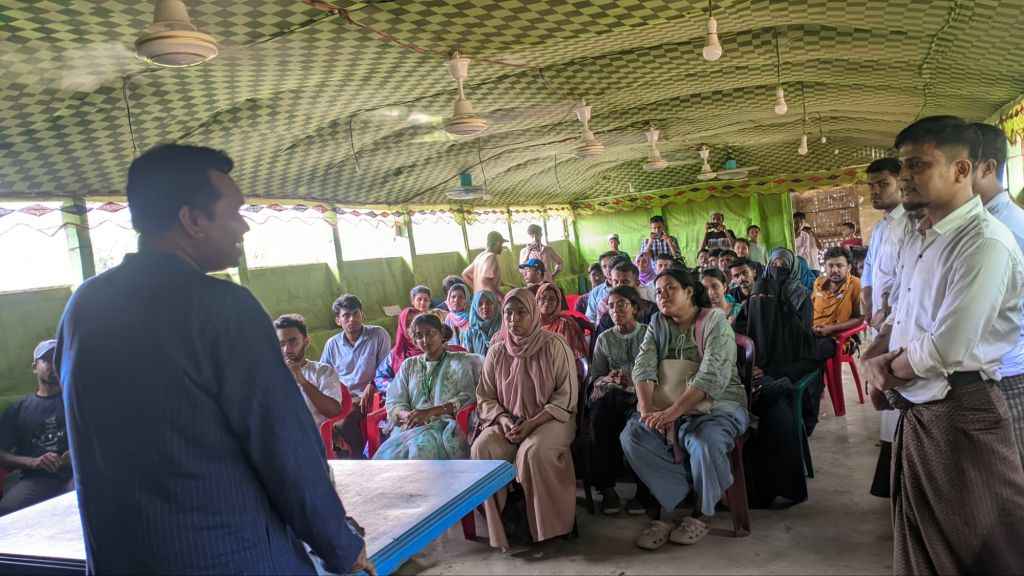
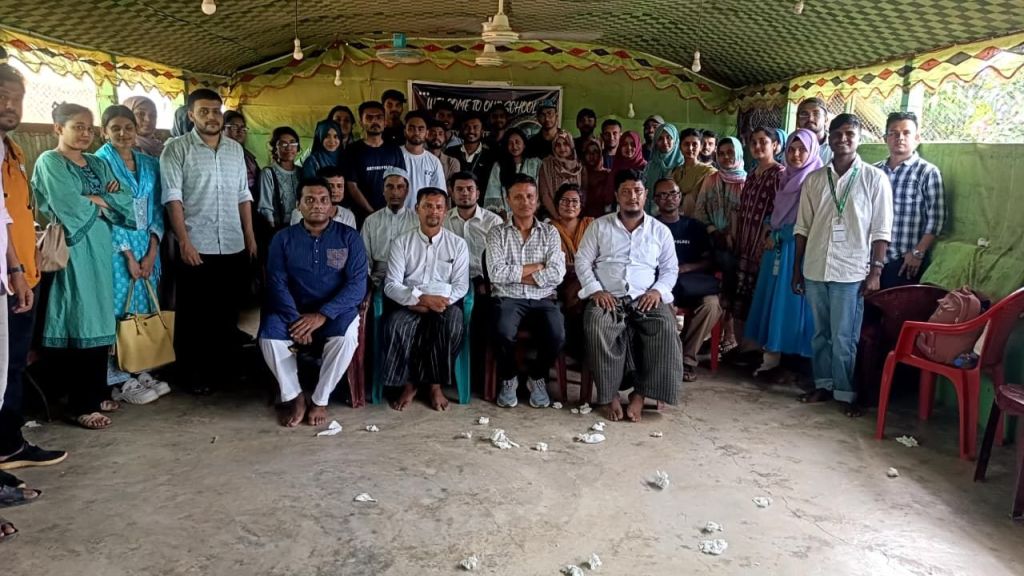
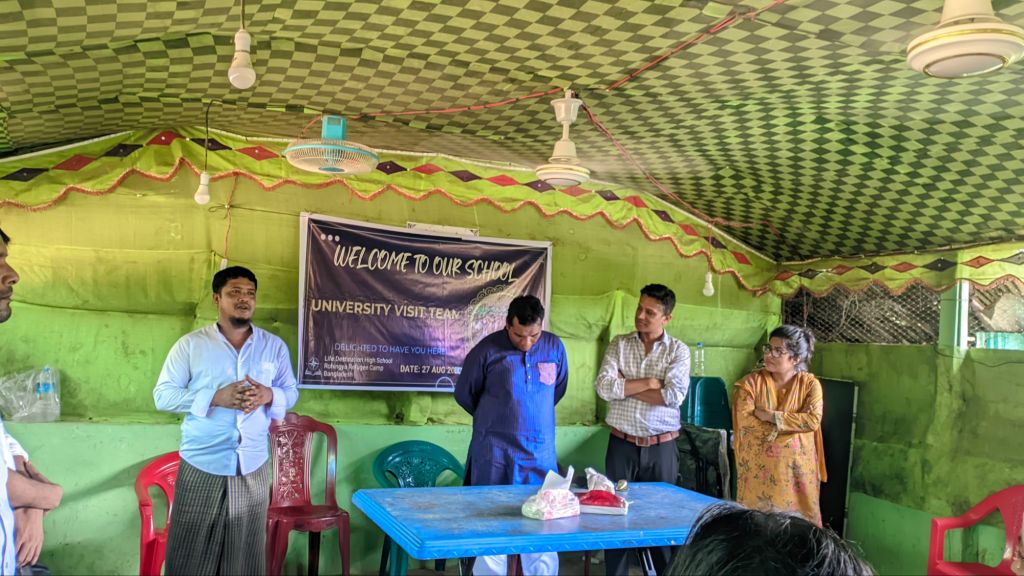
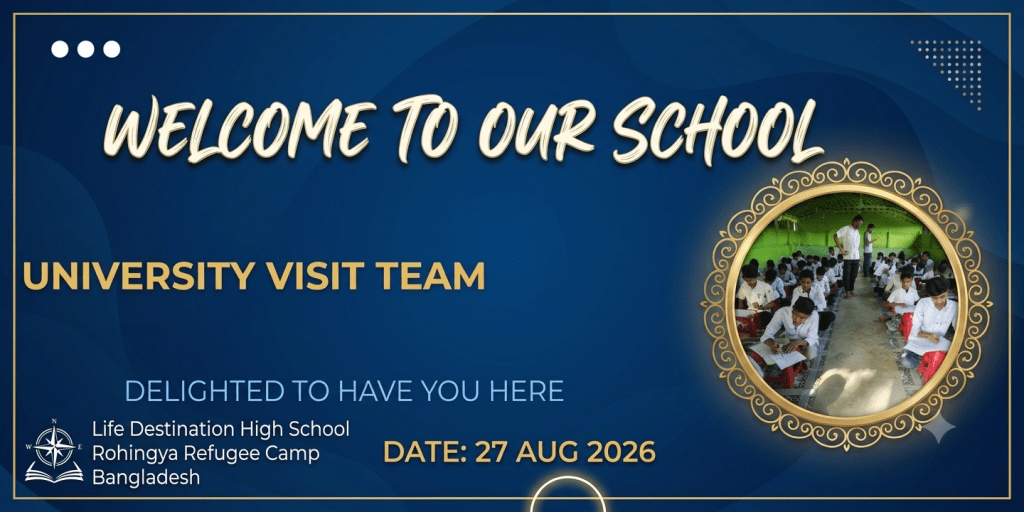
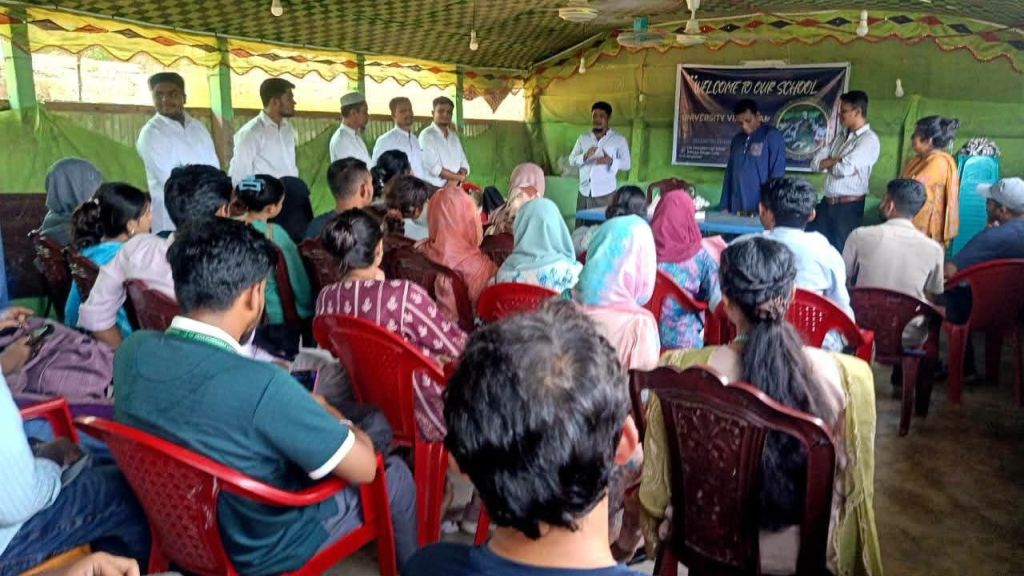
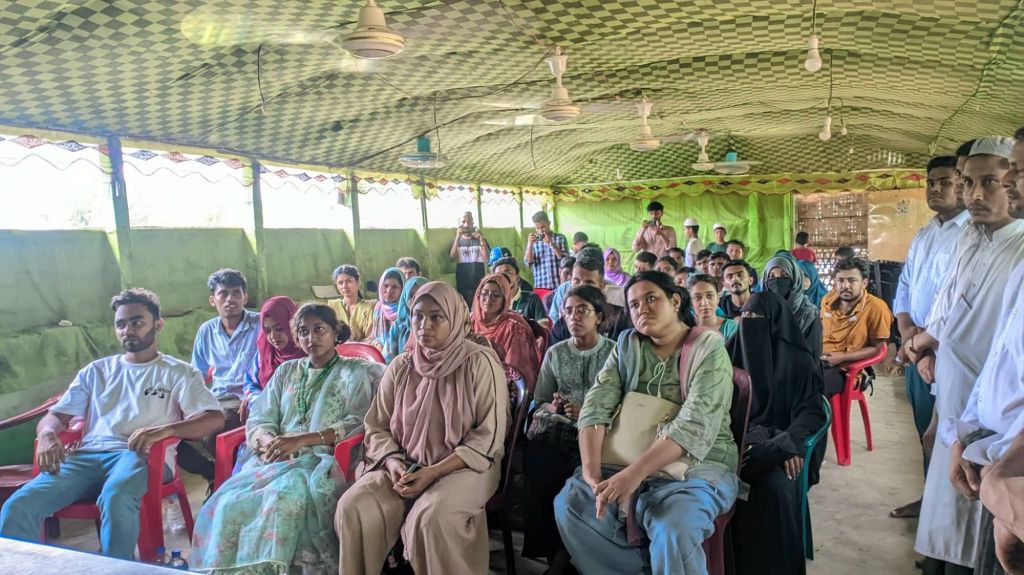
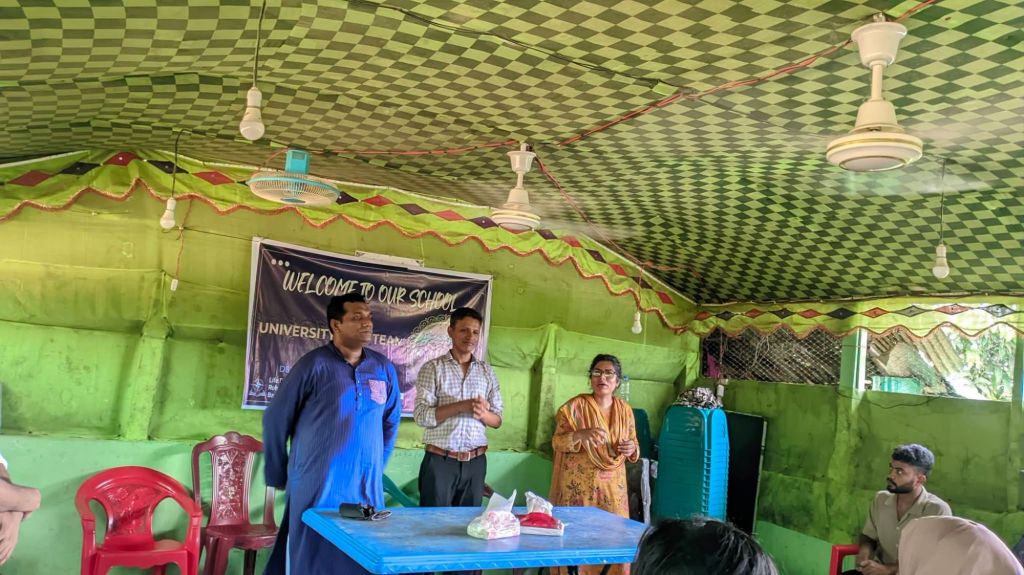
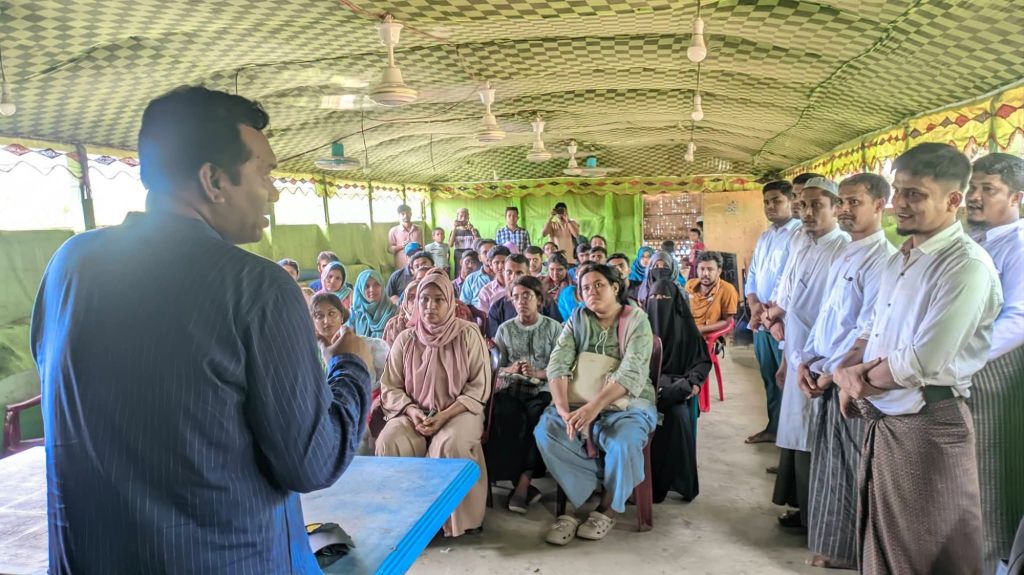
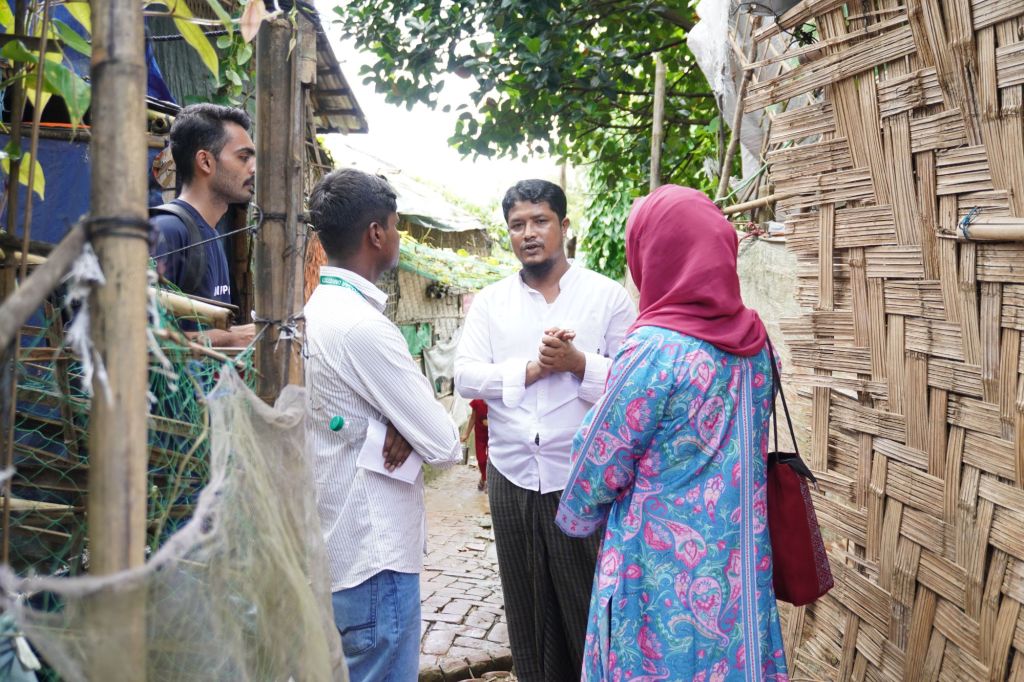
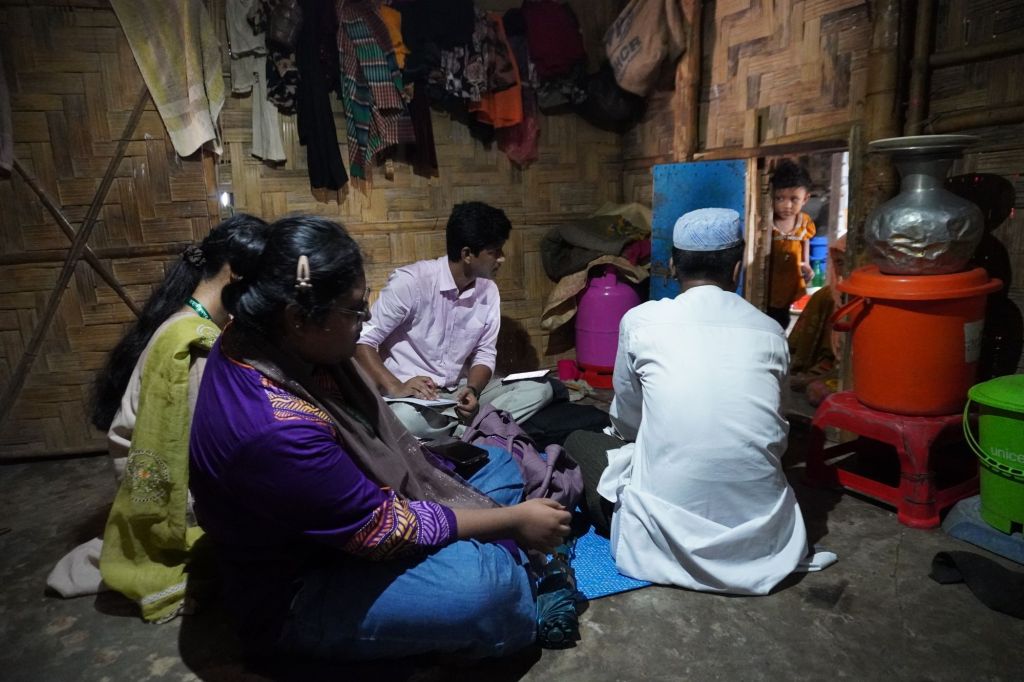
Life Destination High School was honoured to welcome students and professors from Jahangirnagar University, Bangladesh to our school.
During the visit, we had meaningful discussions and exchanged ideas about the development of education for Rohingya refugee students. We shared our experiences, challenges and aspirations for creating better educational opportunities for our community.
Our students and teachers also had the opportunity to learn many new things through this valuable interaction. We are grateful to the students and professors of Jahangirnagar University for their time, interest and thoughtful engagement with our school and community.
We believe that meaningful dialogue, research and collaboration can help create stronger and more inclusive educational opportunities for Rohingya children and youth.
Thank you, Jahangirnagar University, for being part of our educational journey.
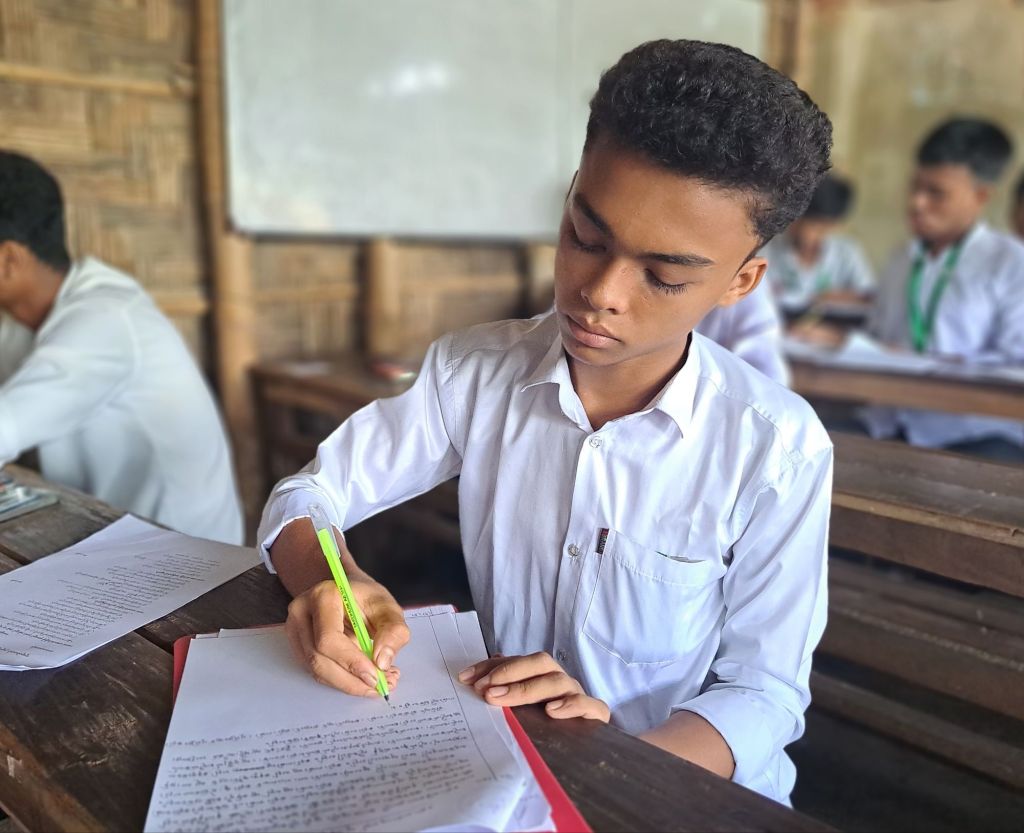
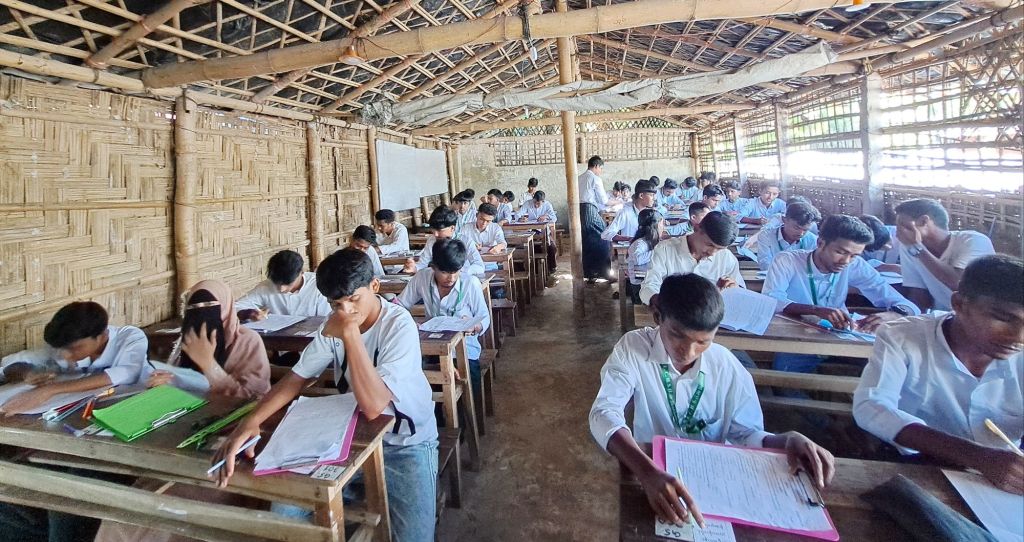
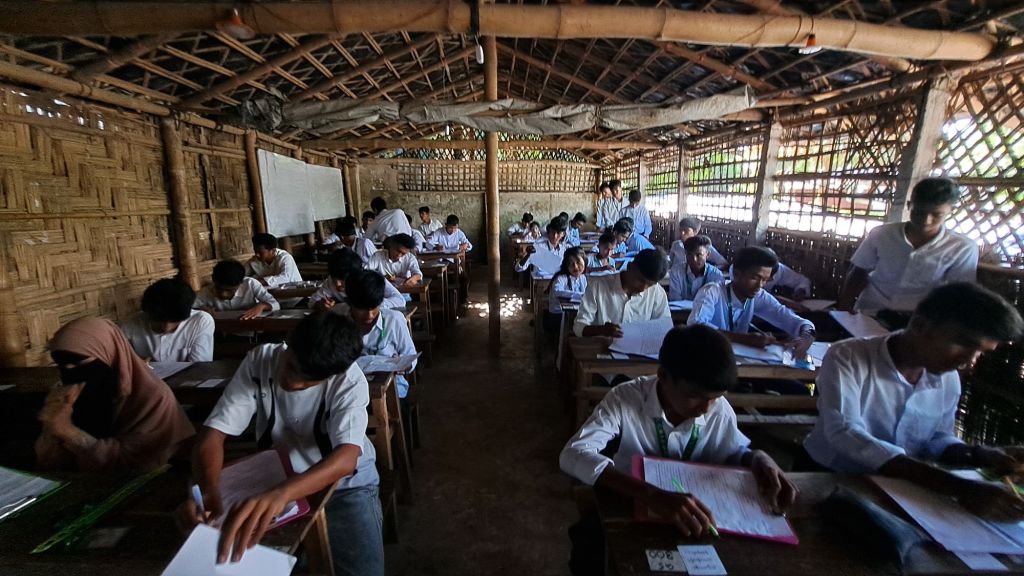
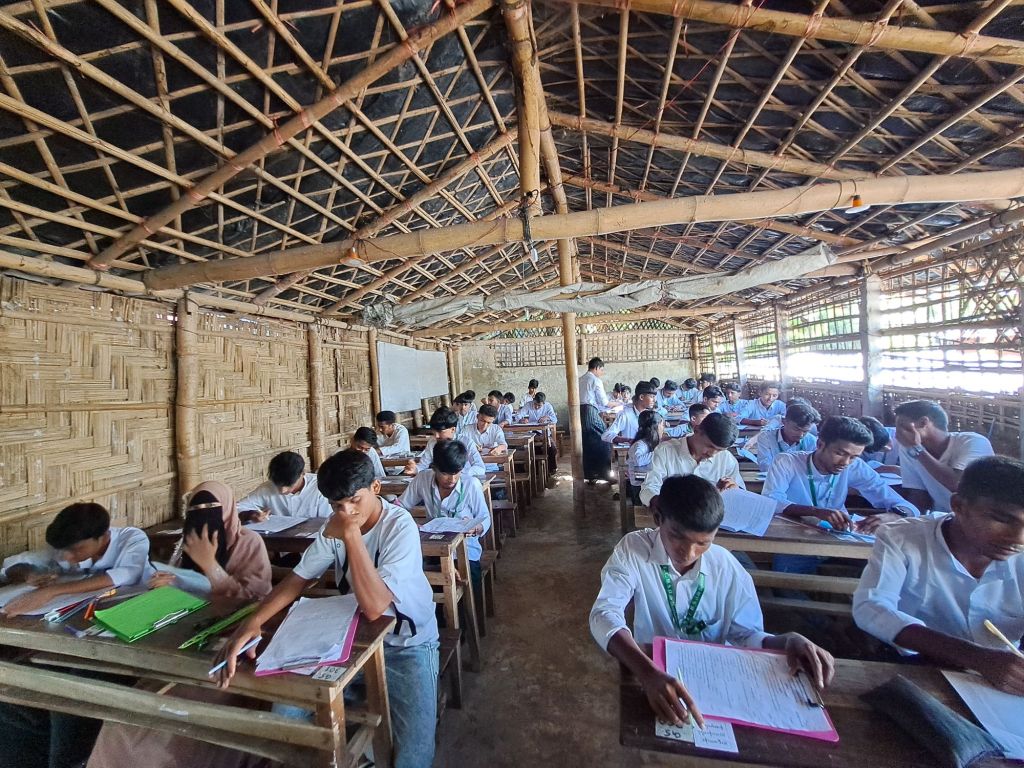
ပထမနေ့ | နှစ်ဝက်စာမေးပွဲ
ဘာသာရပ် — မြန်မာစာ
ရက်စွဲ — ၂၀၂၆ ခုနှစ်၊ စက်တင်ဘာလ ၂၅ ရက်
ကျွန်ုပ်တို့၏ ကျောင်းသား၊ ကျောင်းသူများသည် နှစ်ဝက်စာမေးပွဲ၏ ပထမဘာသာရပ်ကို အောင်မြင်စွာ ဖြေဆိုပြီးစီးနိုင်ခဲ့သည့်အတွက် အလွန်ဂုဏ်ယူဝမ်းမြောက်မိပါသည်။
စာမေးပွဲကို စနစ်တကျနှင့် ချောမွေ့စွာ ကျင်းပနိုင်ရန် ကြိုးစားပေးခဲ့ကြသော ဆရာ၊ ဆရာမများအား အထူးကျေးဇူးတင်ရှိပါသည်။
ကျန်ရှိနေသေးသော စာမေးပွဲများအတွက် ကျောင်းသား၊ ကျောင်းသူများအားလုံး အောင်မြင်မှုများ ရရှိကြပါစေ။
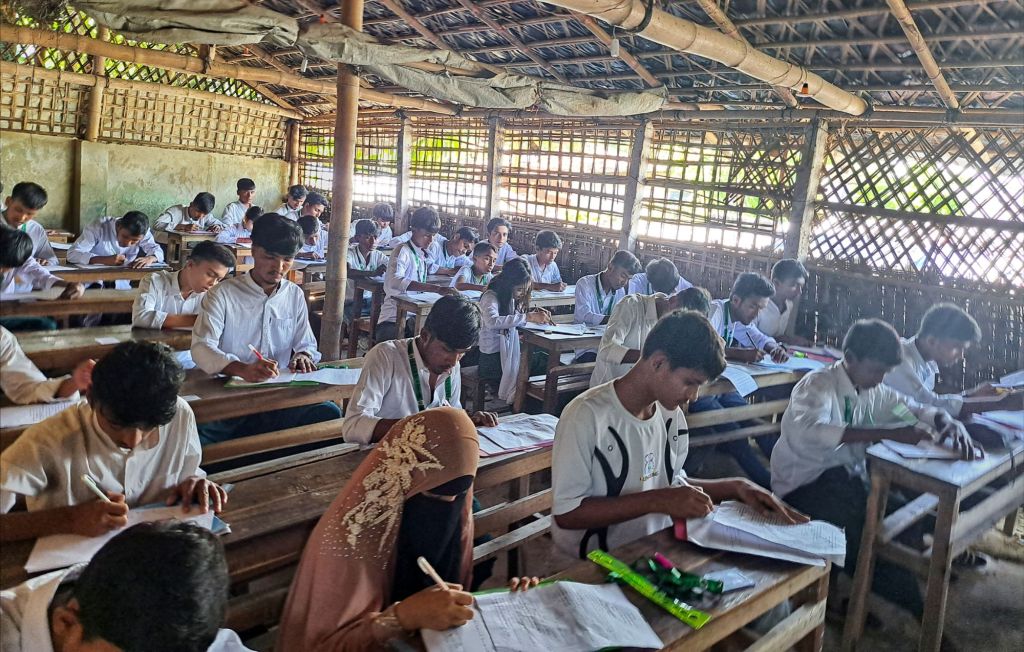
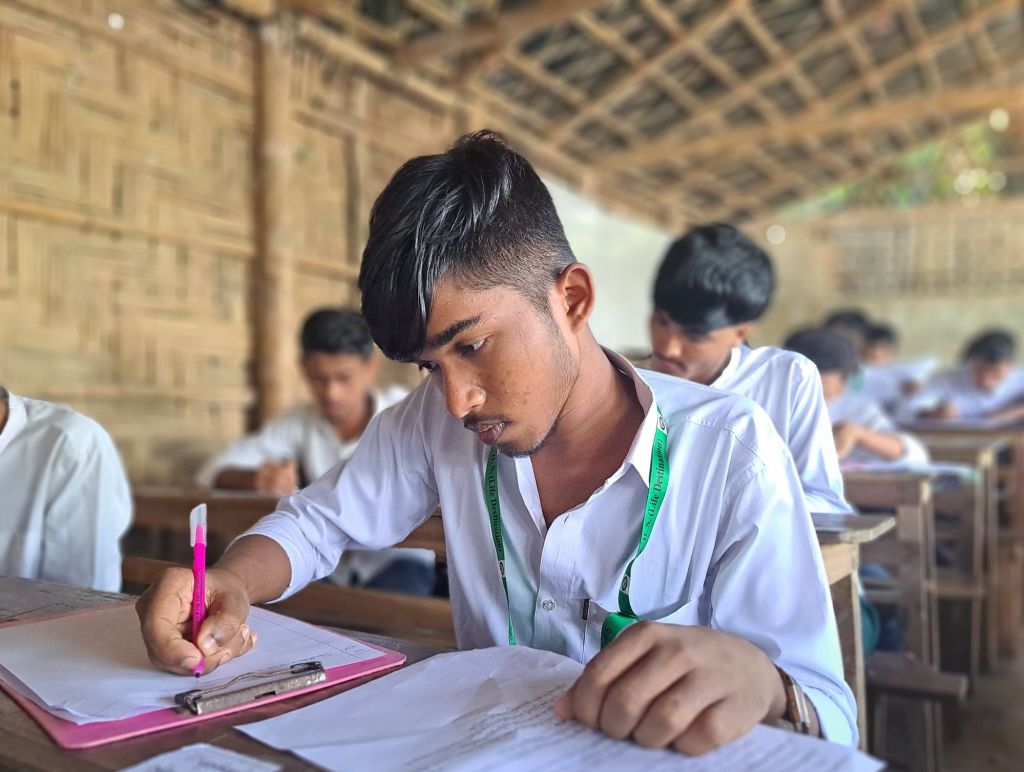
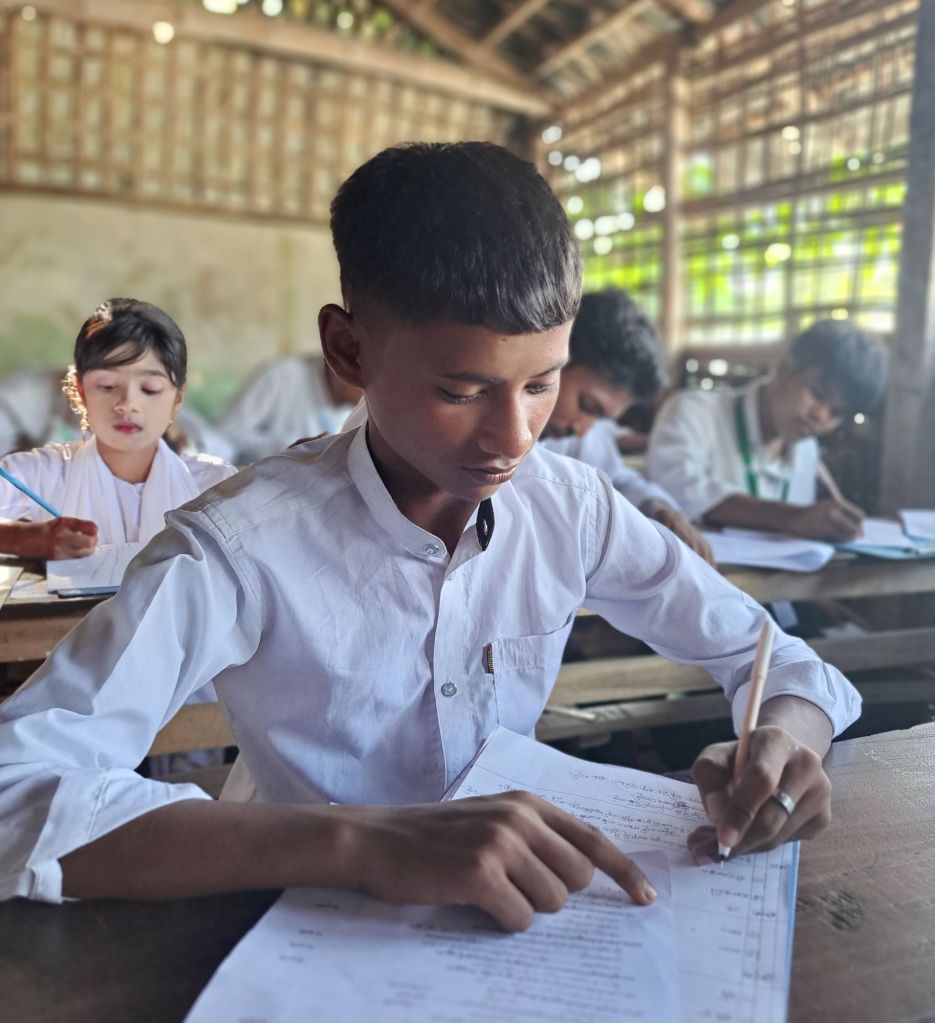
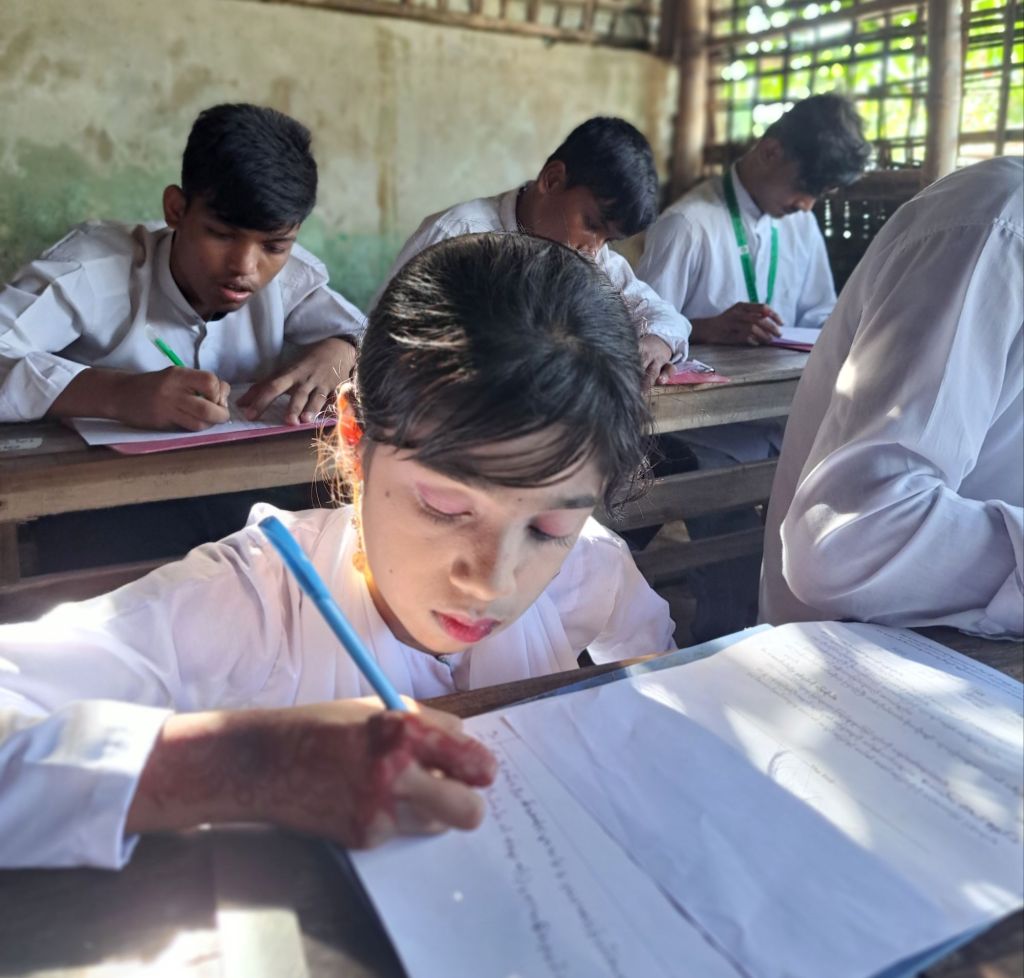
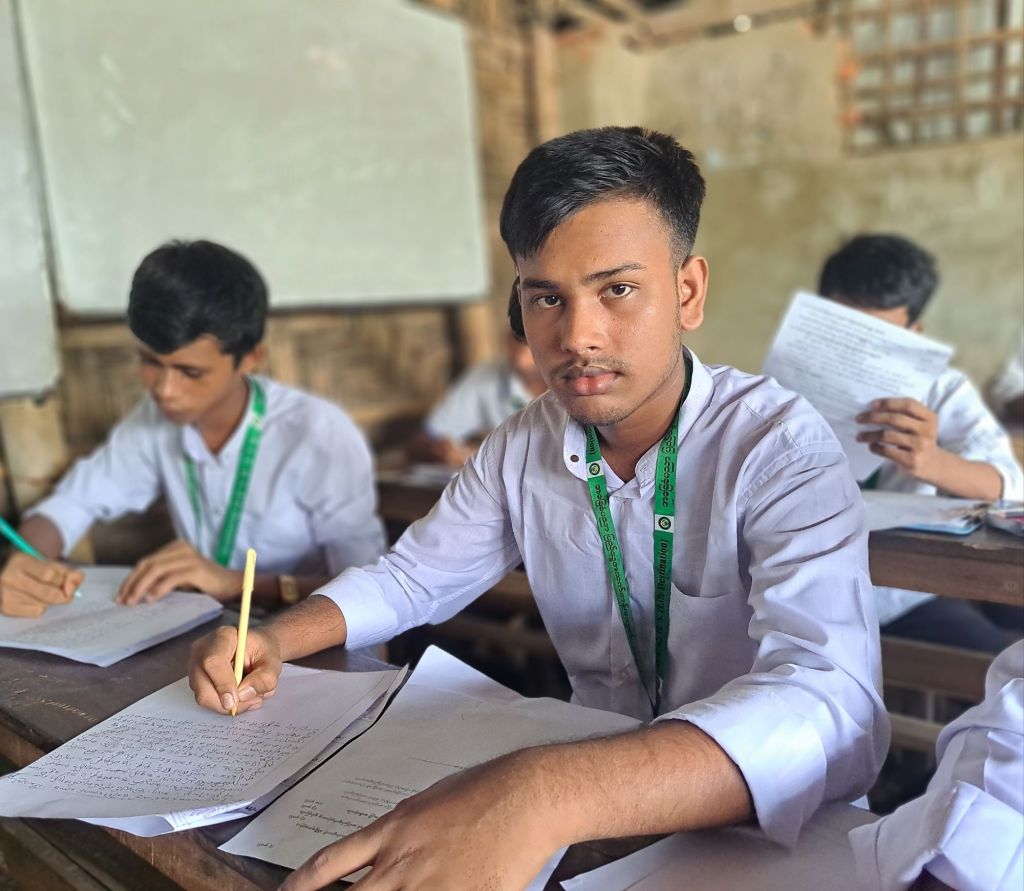
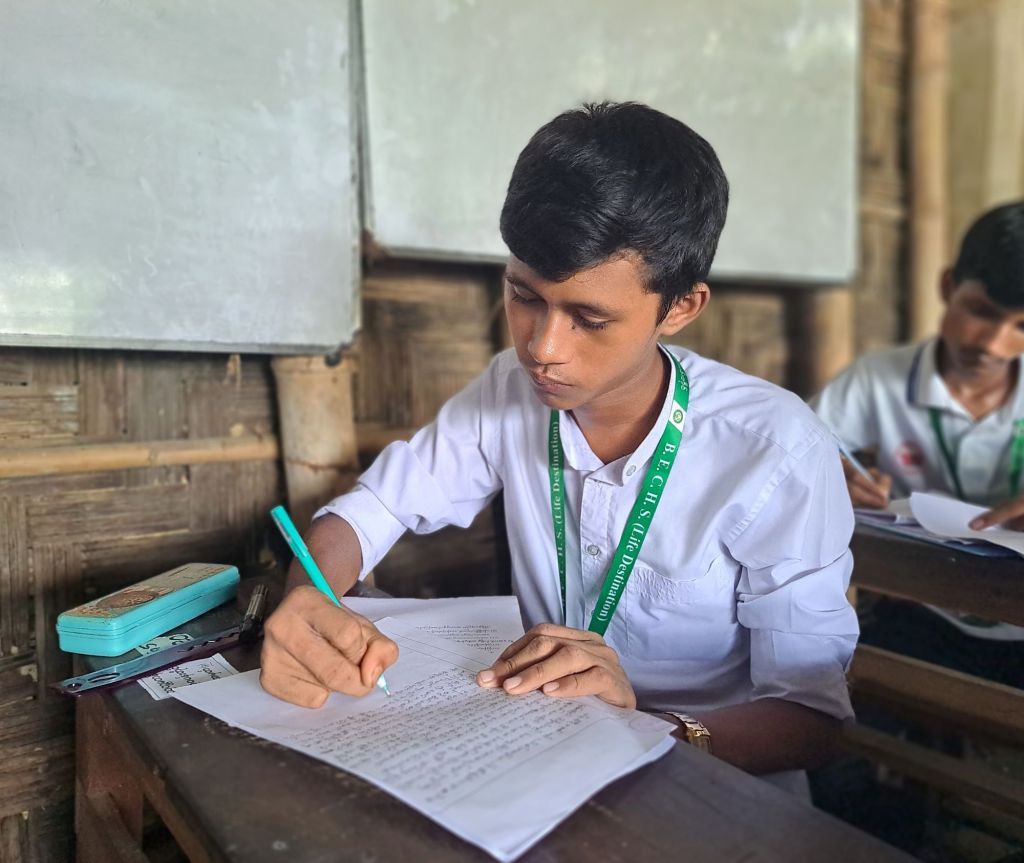
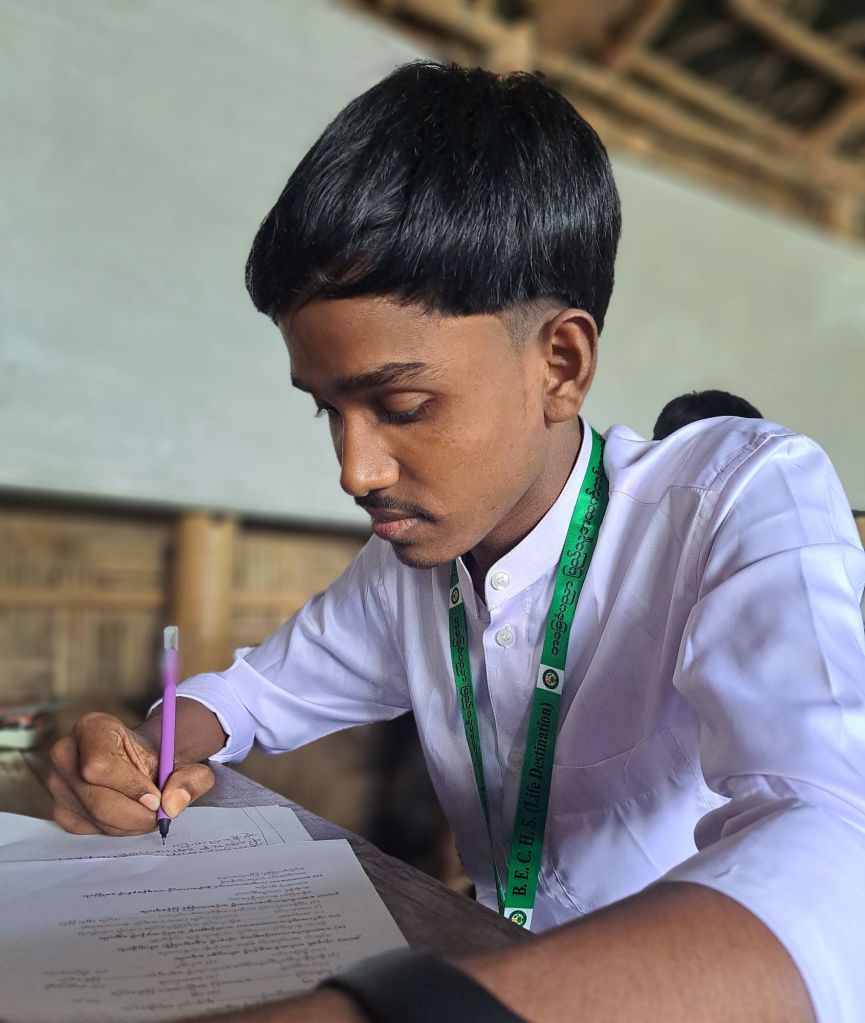
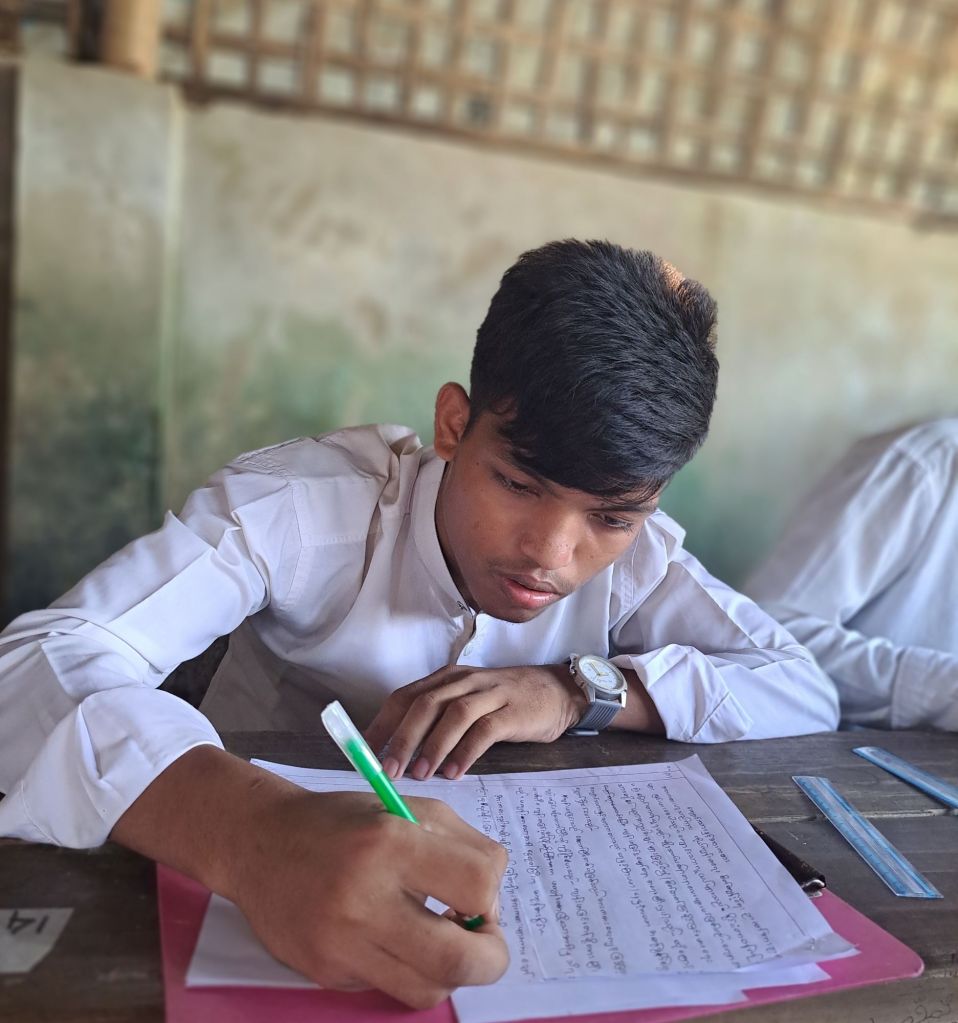
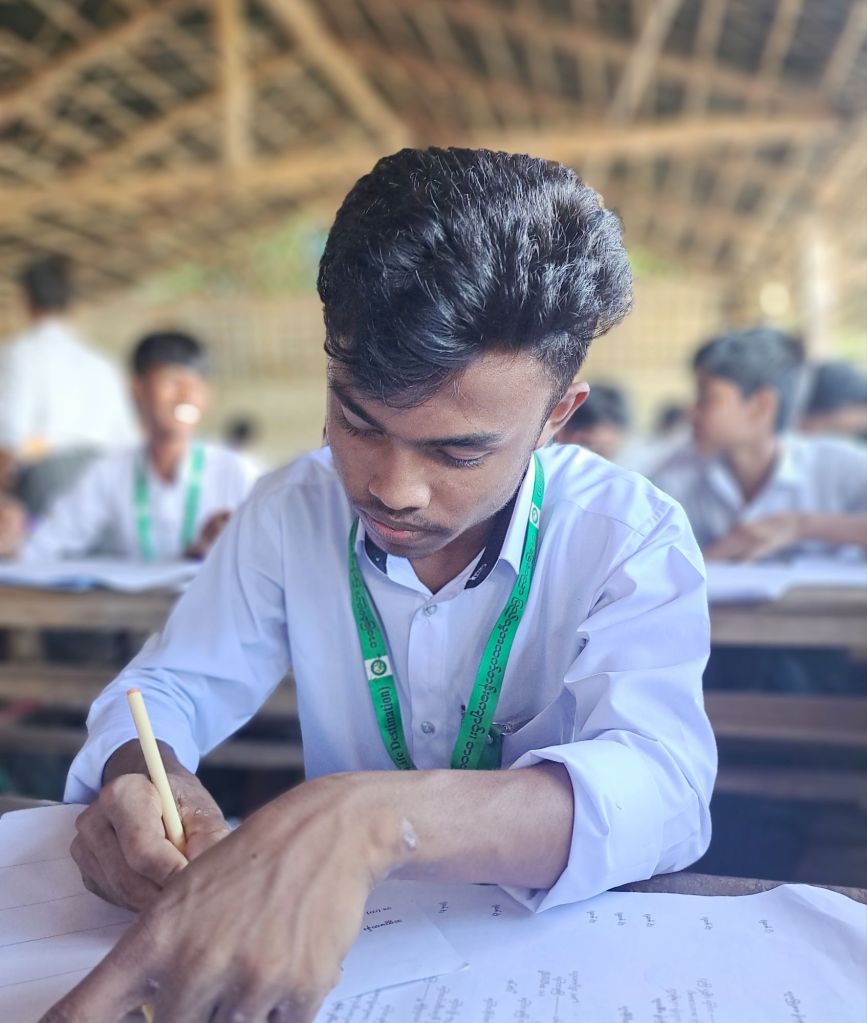
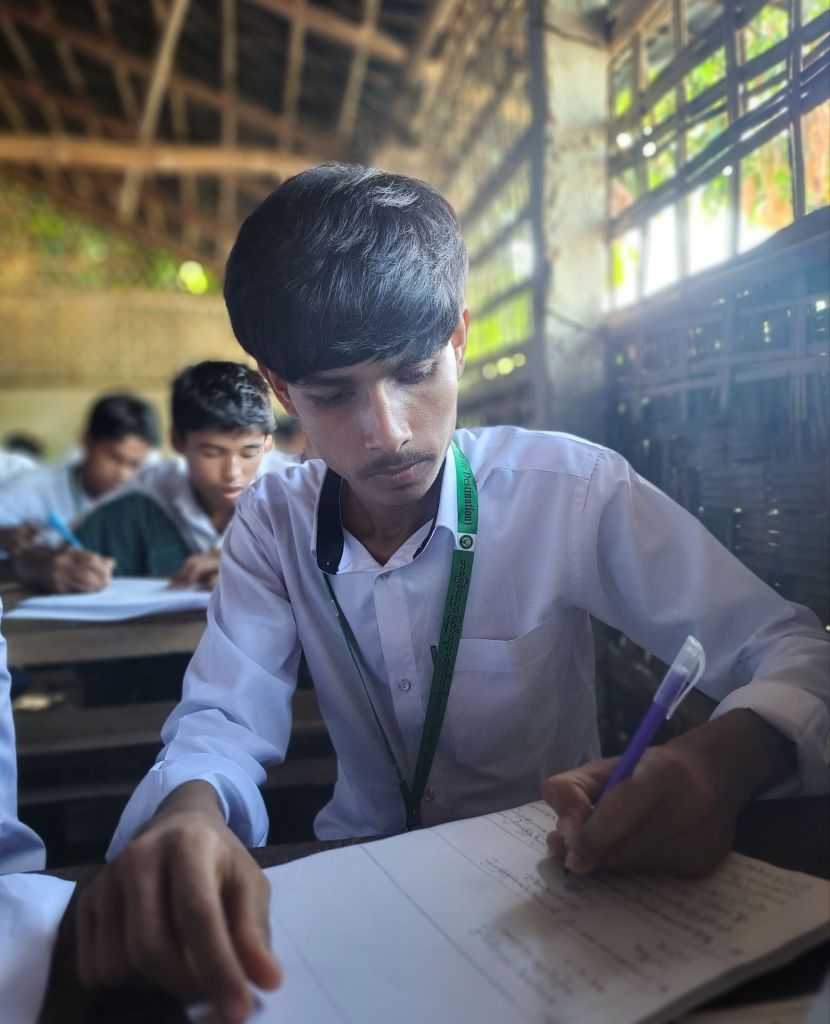
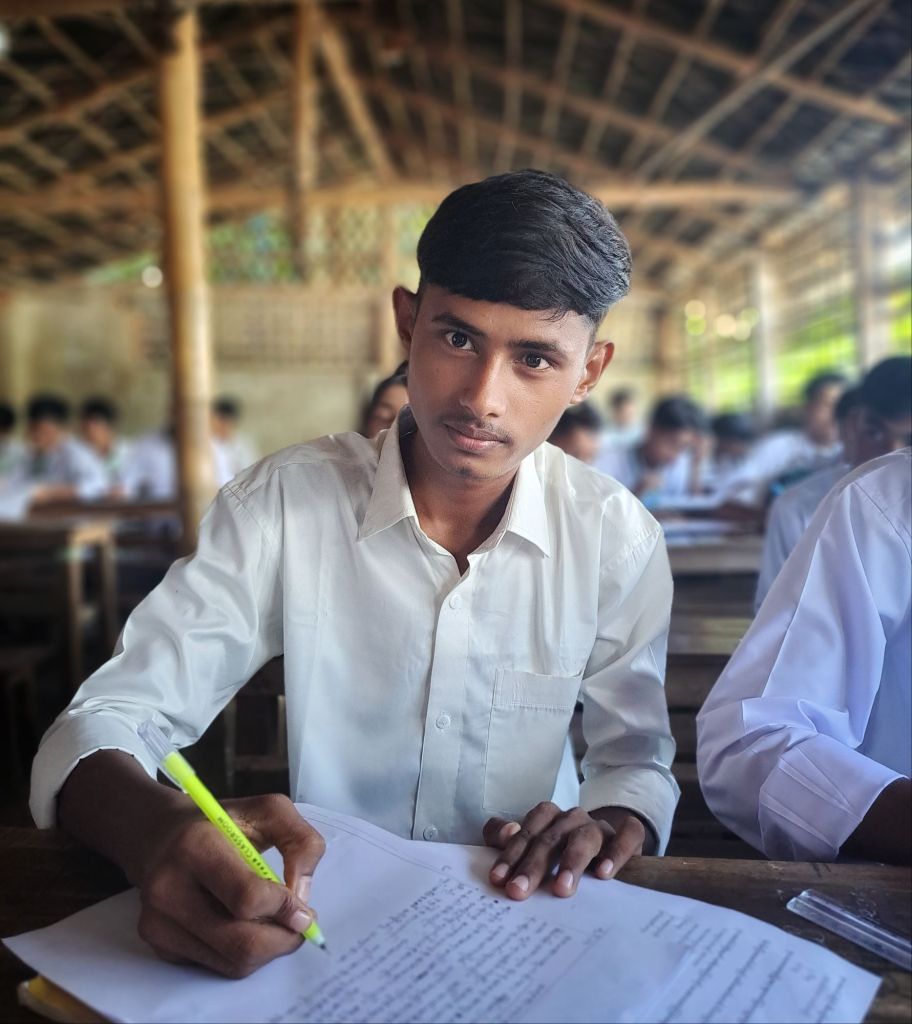
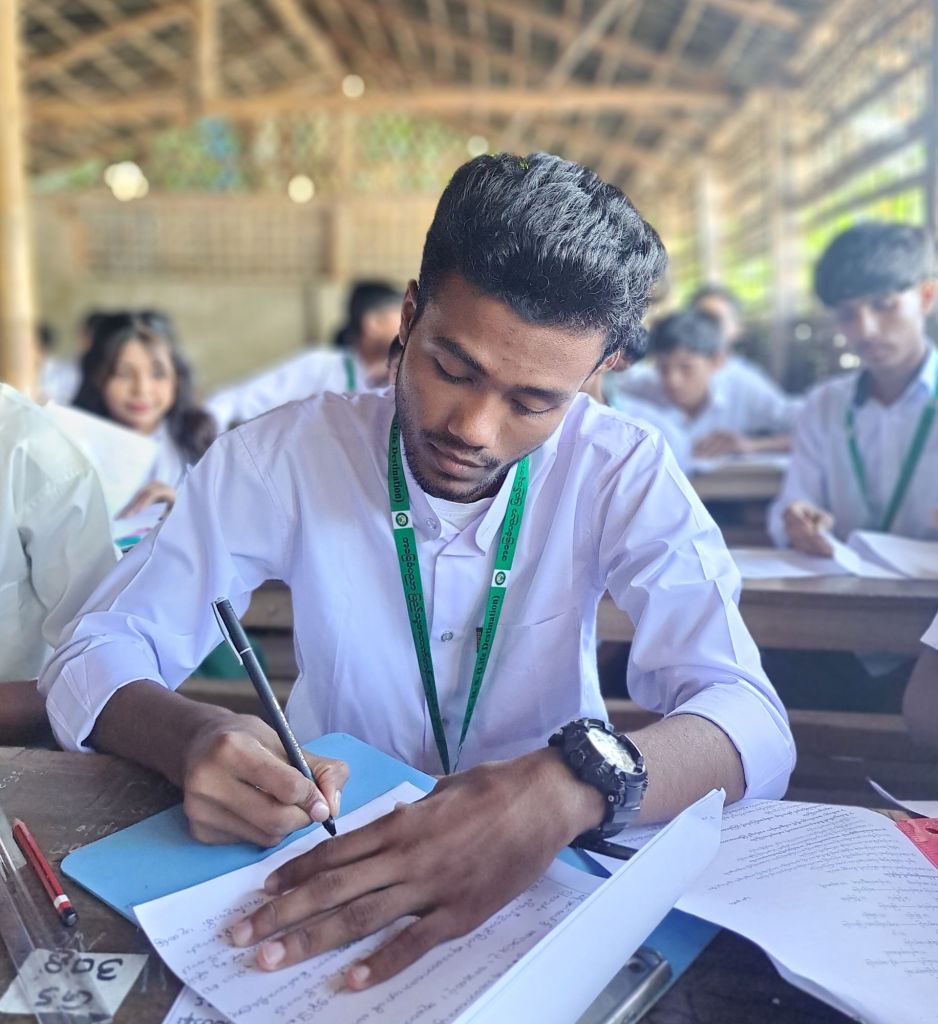
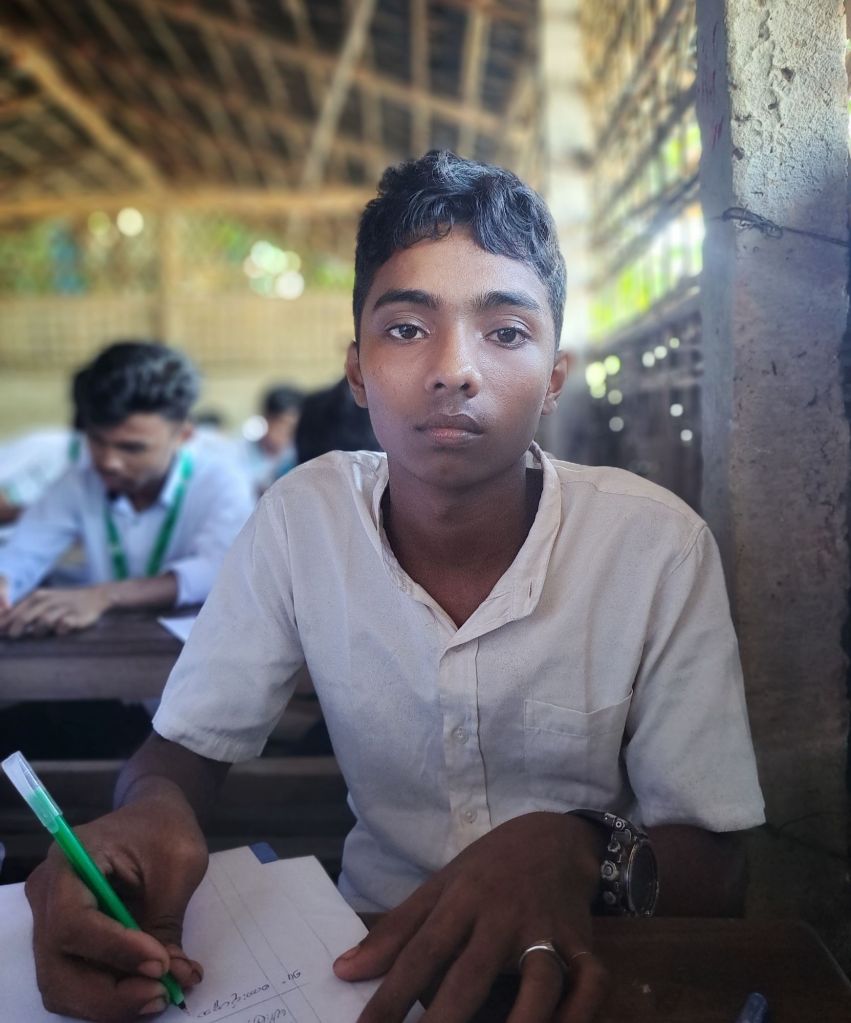
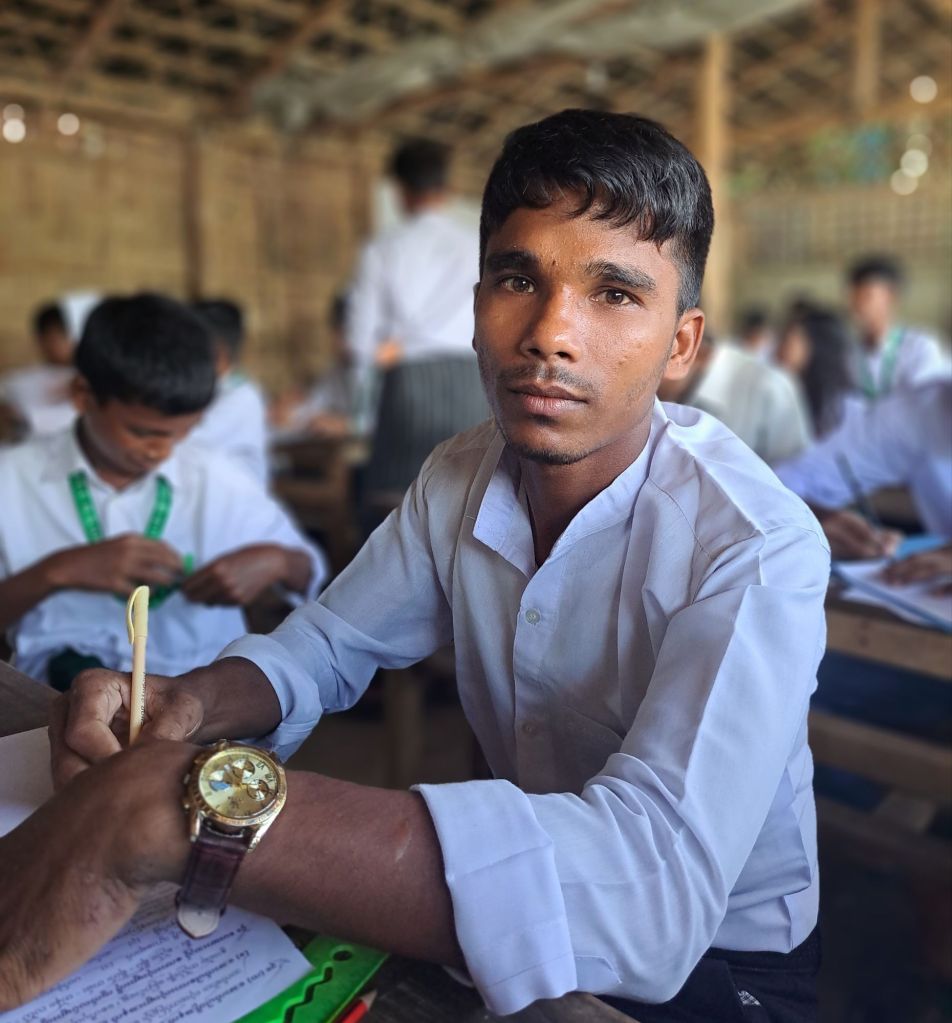
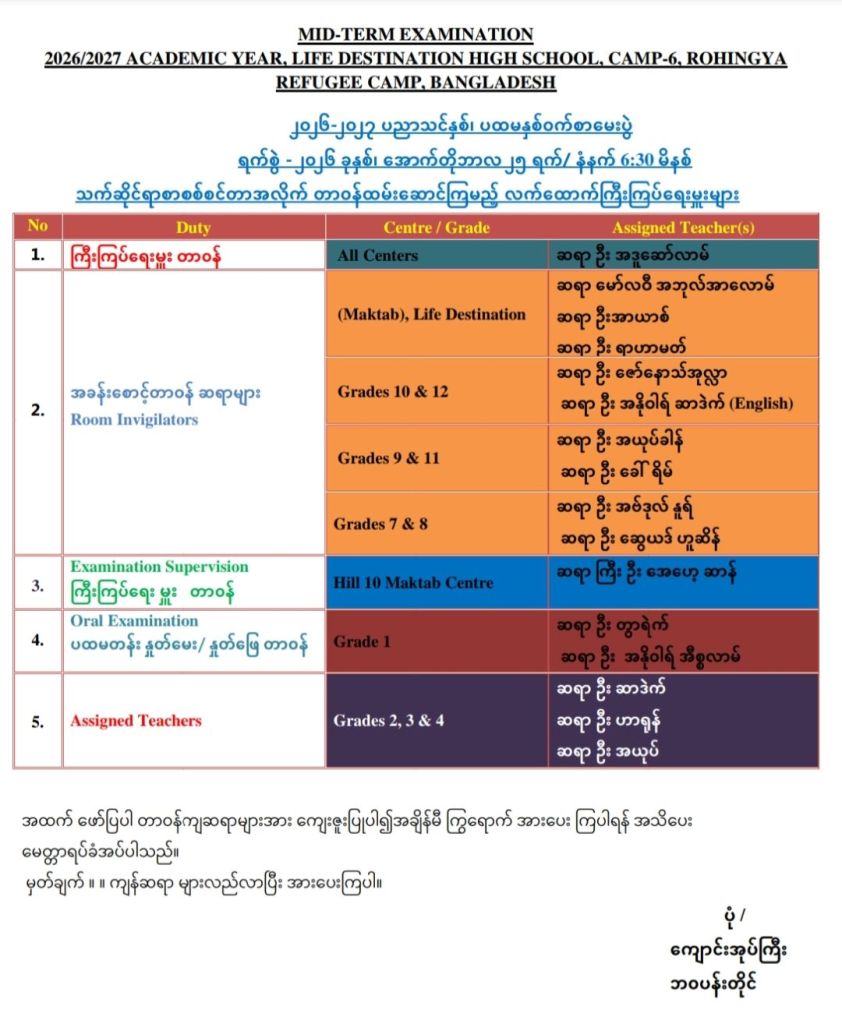
2026-2027, Mid-Term Examination, Rotation of Invigilators
Every year, Life Destination High School is committed to providing a fair, organized, and professional examination environment for all students.
For the 2026–2027 academic year, the Mid-Term Examination has been carefully organized to provide equal opportunities for all students. As part of this process, invigilators will be assigned on a rotational basis throughout the examination period.
The rotation of invigilator is intended to ensure:
- Fair and impartial examination supervision
- Proper discipline and a peaceful examination environment
- Consistent application of examination rules
- Equal treatment and opportunities for all students
We appreciate the cooperation and commitment of all teachers and staff in making the examination process successful and meaningful for our students.
Life Destination High School
2026–2027 Academic Year
How do you make time for self-care?
By removing all tension and joining in a long drive
Have you ever liked a villain more than the hero? Who and why?
No because a Hero is always winning in every movie😋
Life in the Refugee Camp: Surviving Without a Future
Life in a refugee camp is a burden that no one wishes to carry. No one chooses to become a refugee. But, unfortunately, more than one million Rohingya people have been forced to live as refugees after decades of persecution and violence in Myanmar, including the mass atrocities committed against Rohingya civilians.
Today, survival in the refugee camps often means simply trying to live another day under difficult circumstances. Without proper livelihood opportunities, stable employment or the freedom to build an independent future and many Rohingya refugees struggle to meet their basic needs.
Some survive through temporary labor, community volunteering, small informal activities or other limited sources of income. Many others have no regular income at all. Their lives remain dependent on humanitarian assistance and uncertain opportunities.
For the Rohingya, refugee life is not simply about living in another place. It is about living without many of the opportunities, rights and choices that allow people to build a secure and dignified future.
After all these challenges, Rohingya communities continue to work, learn, volunteer, support one another and preserve their culture and identity. Their continued efforts reflect a determination to survive with dignity and hope for a better future.
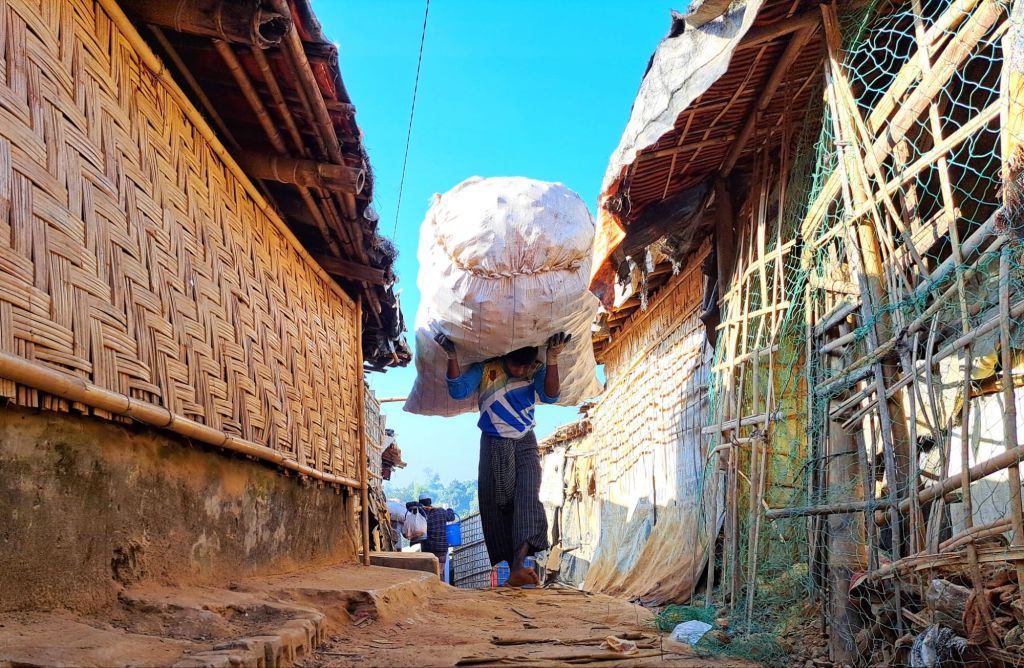
A Reminder For Mid-Term Examination
Dear students
Do you distinguish the definition of an educational exam? An exam is what you need to testify or measure which your brain has ovserved and alerting the message how quality your learning is.
Without an examination, comparing oneself is a burden to understanding about the outcome in learning.
Behind every exam, high or low grade is just a leading or motivating to learners what they are in need of improving in future.
Be ready! Start preparing today!
📚 Mid-Term Examination
🏫 Life Destination High School
📅 Date: 25 September 2026
Study well. Stay focused. Believe in yourself.
Your preparation today builds your success tomorrow.
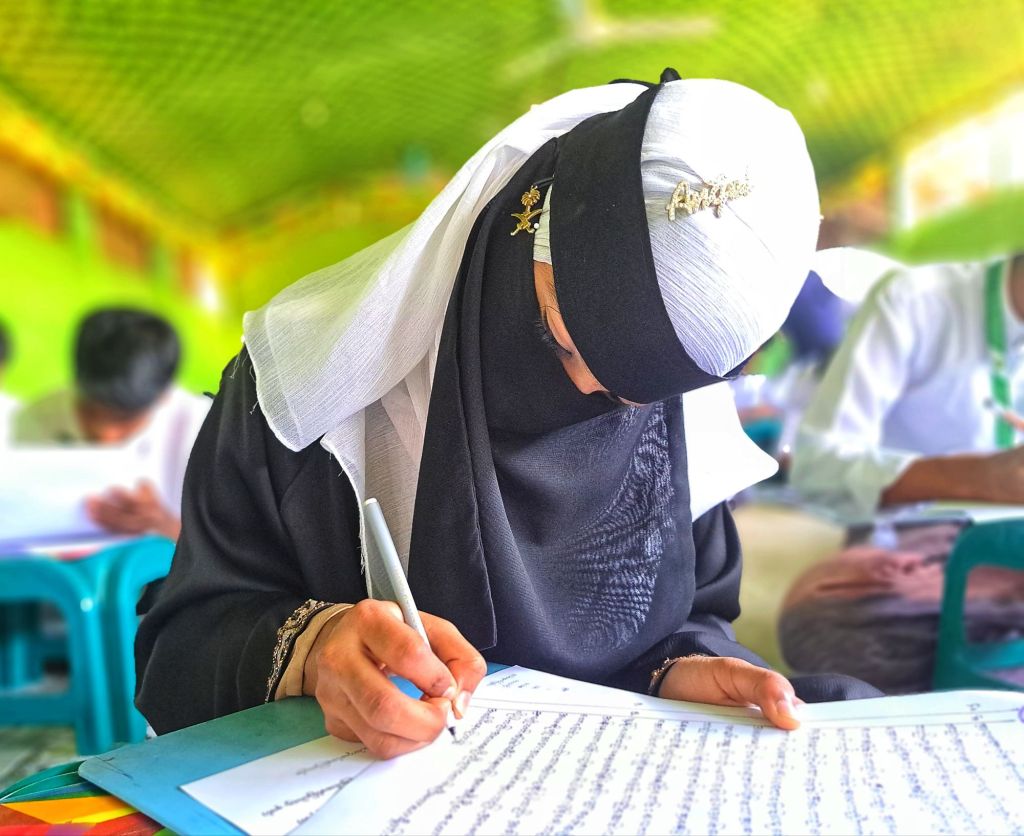
Rohingya Students, The Greatest Challenge For A Better Future
Do you understand the challenges Rohingya students are facing in the Rohingya Refugee Camp, Bangladesh? Their future is already under the darkness that no formal education they gain from NGOs and Government side but they never give up to pursue thier learning whatever they find like Community Based Schools.
To be honest, Camp based schools are only able to provide quality teaching as they have no power to distribute official certificates. It is work of Government, UNICF and UNHCR which Rohingya students deserve for making a better future.
The little student in the image is seen that he is on the way of his school, crossing a drain mixing mud.
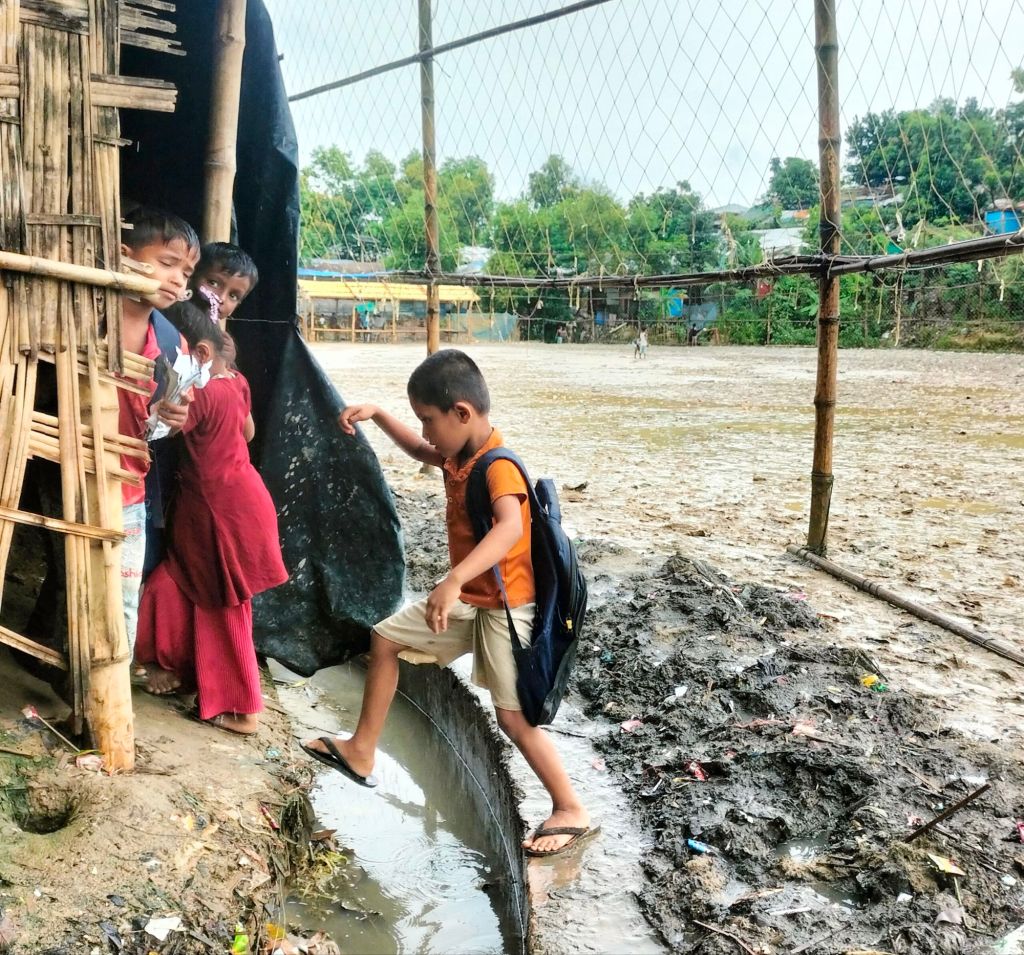
Learning Through the Heat, Students Never Give Up
During the hot season, the classrooms in the Rohingya refugee camps can become extremely uncomfortable. With limited access to electricity and solar power, our students sometimes take the initiative to create simple hand fans to help reduce the heat while their classes are ongoing.
Despite these difficult conditions, thousands of students studying in community-based schools continue to attend their classes with determination and hope. Even when the circumstances are challenging, they refuse to give up on their education or their dreams.
They continue to learn, believe in themselves and hold on to the hope of building a better future. Their determination reminds us that even in the hardest times, a dream can keep a young heart moving forward.
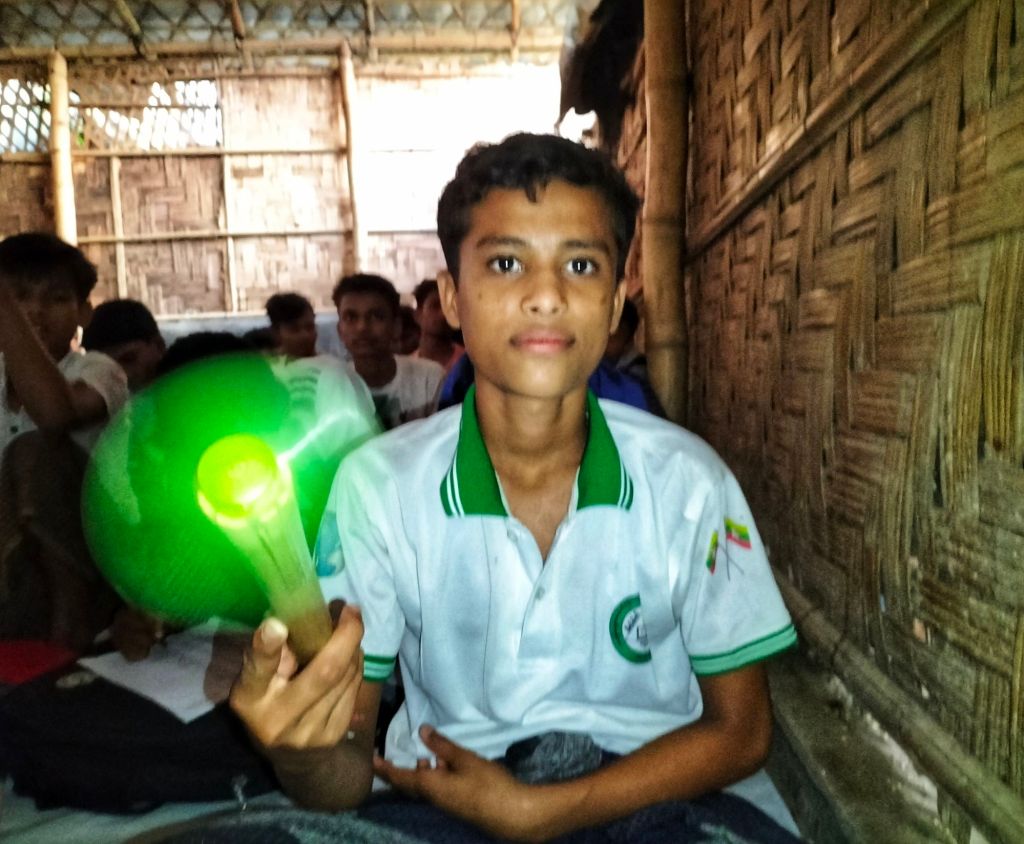
A Visit That Brings Hope to Rohingya Community Schools
We are truly grateful and honored to welcome a delegation of 48 members, including university students to the Rohingya Refugee Camp in Bangladesh.
Their visit is a great opportunity and a source of encouragement for camp-based community schools across the Rohingya refugee camps. Such meaningful engagement creates valuable connections between students, educators and the wider community.
This visit is not only a positive step for our community but also a source of hope and inspiration for a brighter future for the generations to come.
We sincerely thank the entire delegation for their time, kindness and continuous care.