The Shadow, the Peaceful Moment


Once, Arakan was blessed with abundant natural beauty, where people cultivated and traded a variety of fruits. Beneath the shade of towering trees, they would gather to rest, share stories, exchange gossip, and listen to the latest news from their community.

At times, the elders recited traditional poems, and villagers gathered around to listen, preserving their rich cultural heritage through oral storytelling and verse.

In the Rohingya refugee camps in Bangladesh, people are unable to experience that same sense of peace because of the overcrowded living conditions and the limited presence of trees and natural spaces.

The tranquil environment that once surrounded their daily lives in Arakan has been replaced by densely packed shelters and a constant struggle for space.
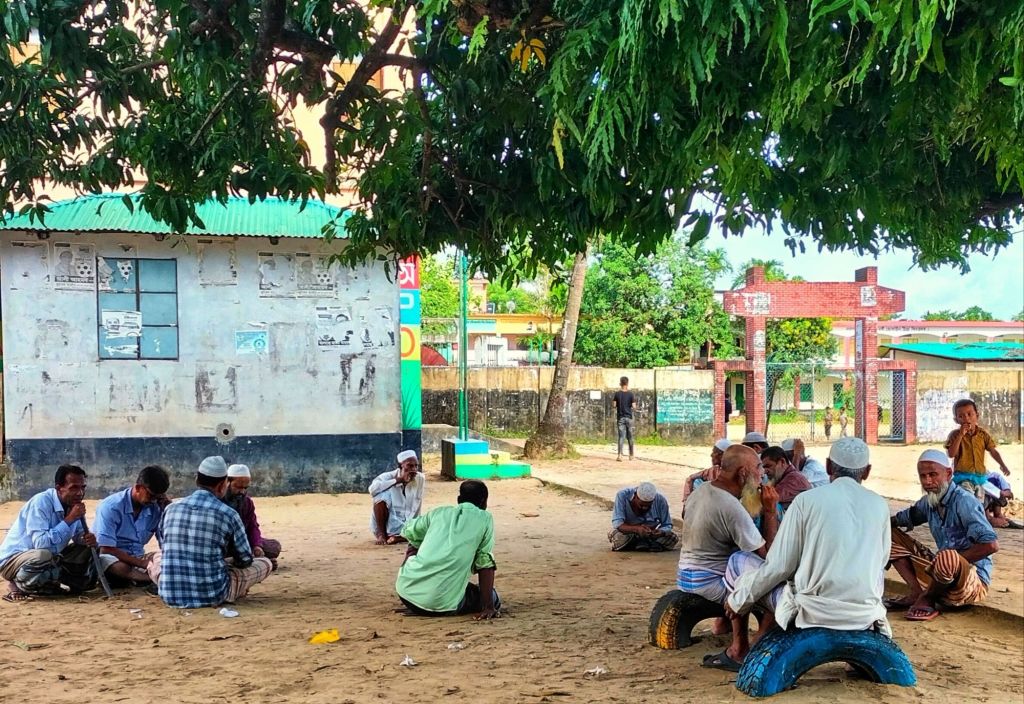
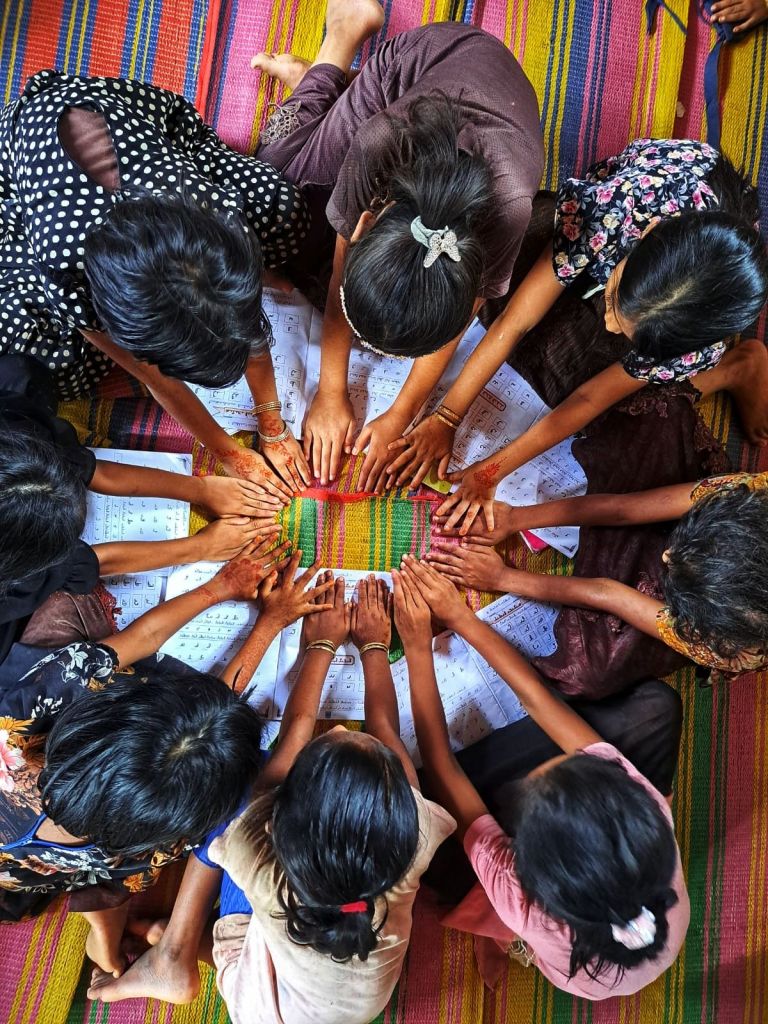
Photo: Captured by Anuwar Sadek during elderly persons gathered to take rest under the shadow of a big tree in Teknaf, Bangladesh

Being Unity is the Strongest Defence Against Children Kidnapping

Unity is our strongest weapon in overcoming the challenges, struggles, and hardships faced by our community. When we stand together, we become stronger and better able to protect one another. A united community is essential in preventing child kidnapping in the Rohingya refugee camps in Bangladesh.


To protect our children from kidnappers, every parent, guardian, and community member must remain vigilant and responsible. Children should never be left unattended when they are outside their shelters, and everyone should immediately report any suspicious activity to the appropriate authorities.

We also urge all community leaders, volunteers, and NGO teachers to raise awareness and pay close attention to this critical issue. By working together, we can create a safer environment for every child.


We sincerely thank the Government of Bangladesh and all relevant organizations and humanitarian actors for their continued efforts to prevent child kidnapping and improve the safety and security of the Rohingya refugee camps.

Photo: Anuwar Sadek

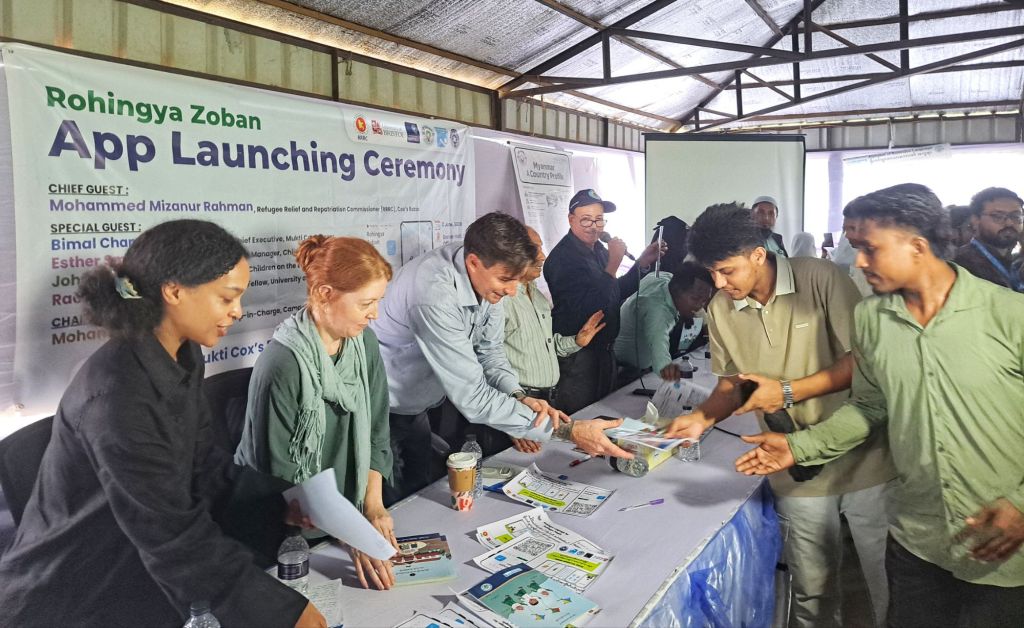
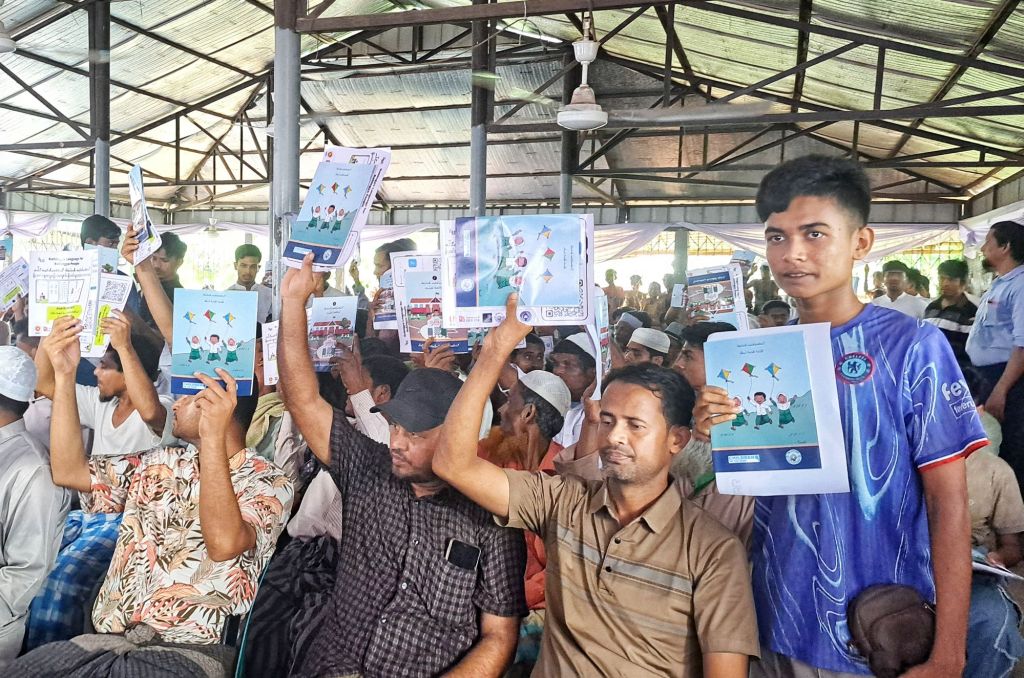
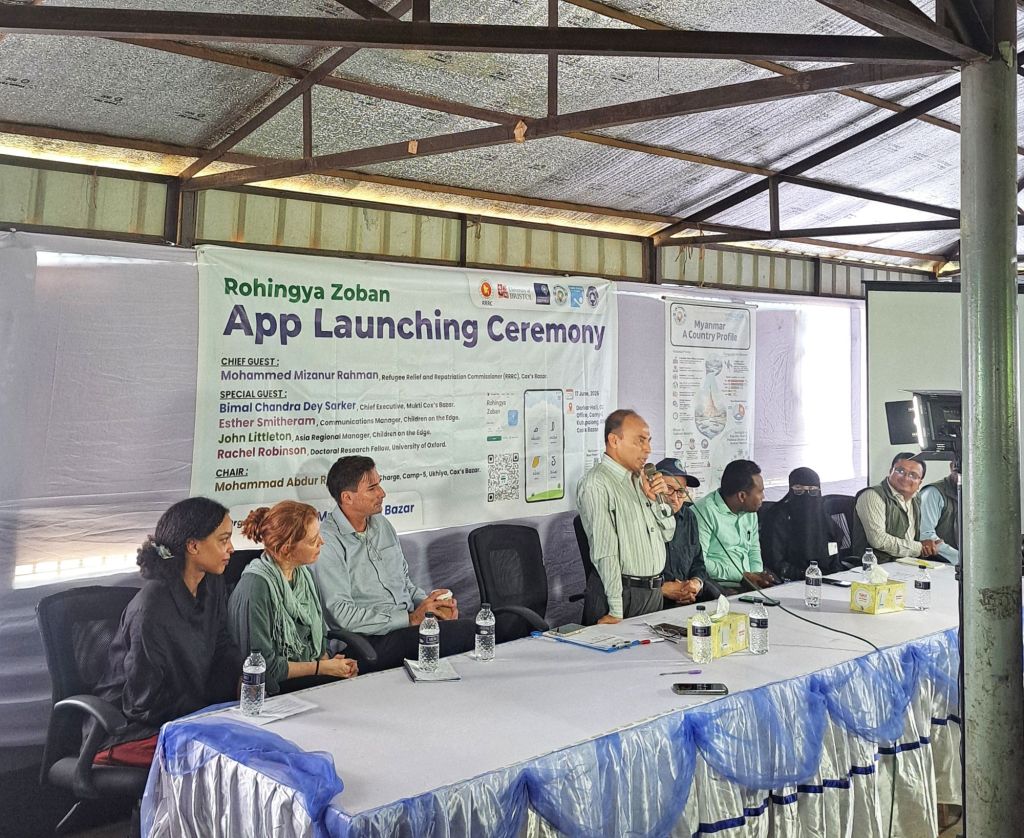
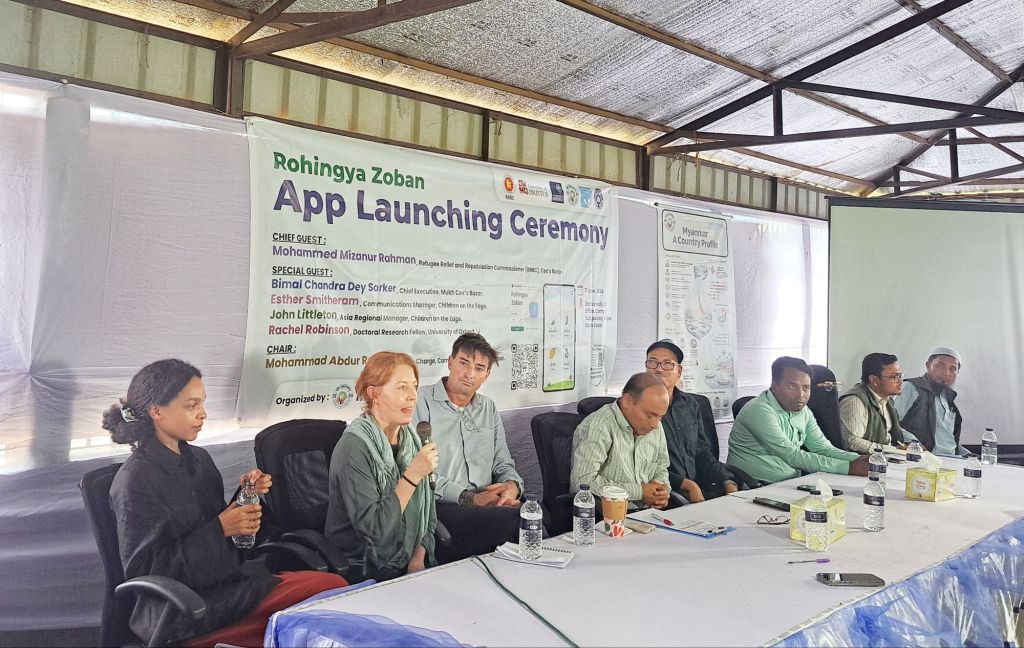
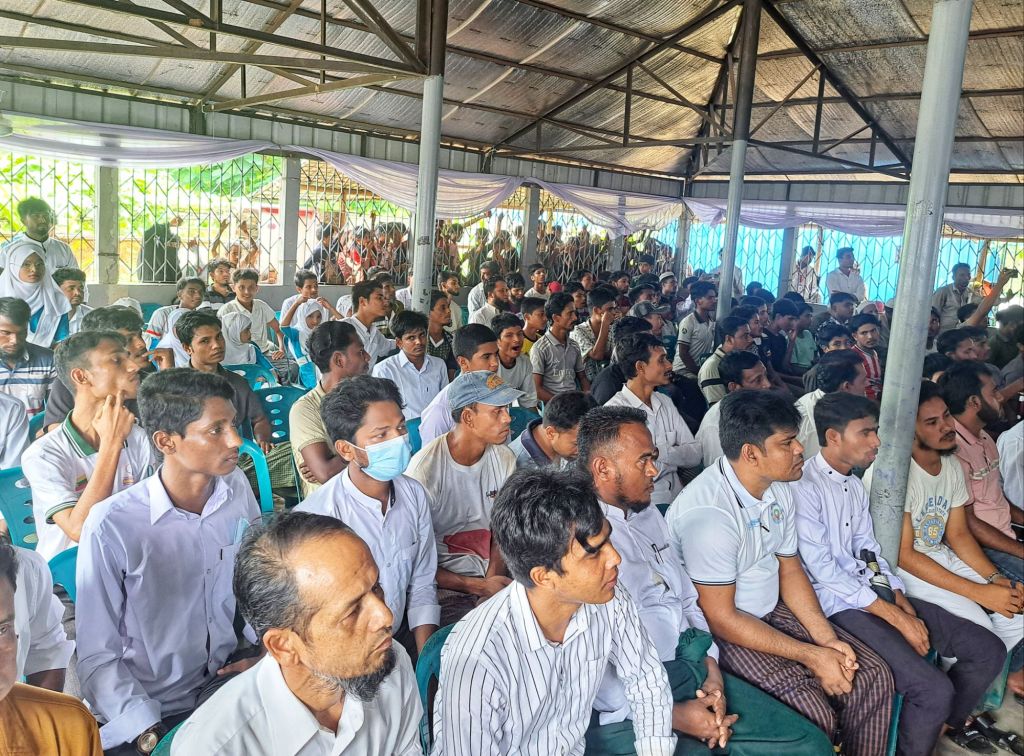
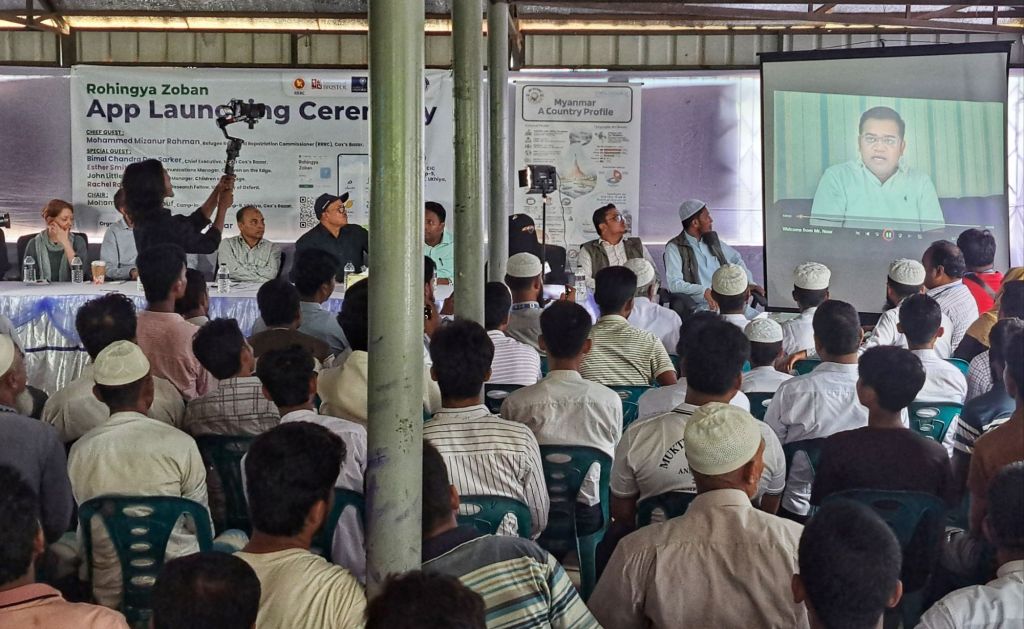
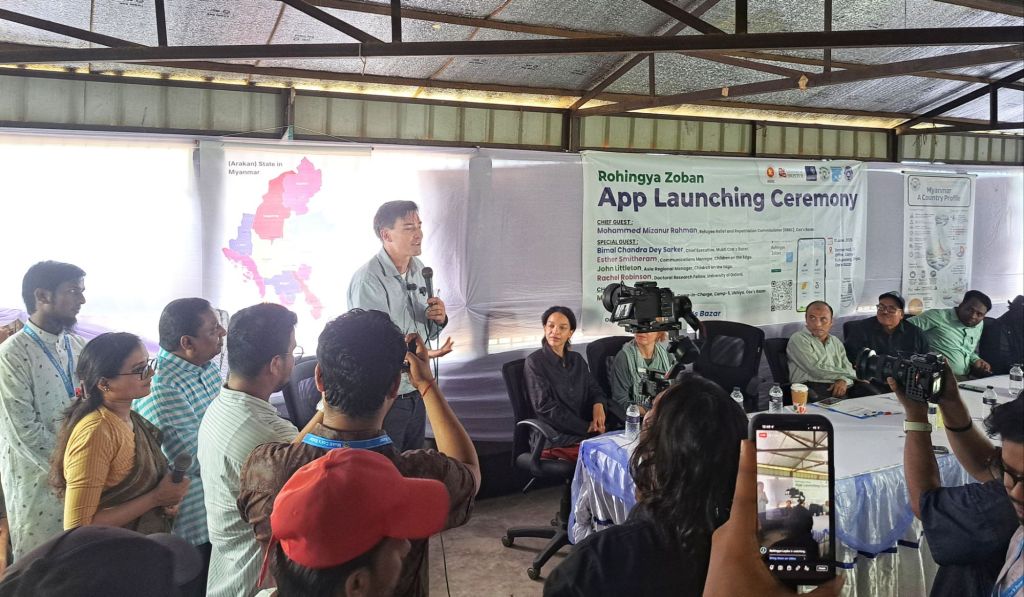
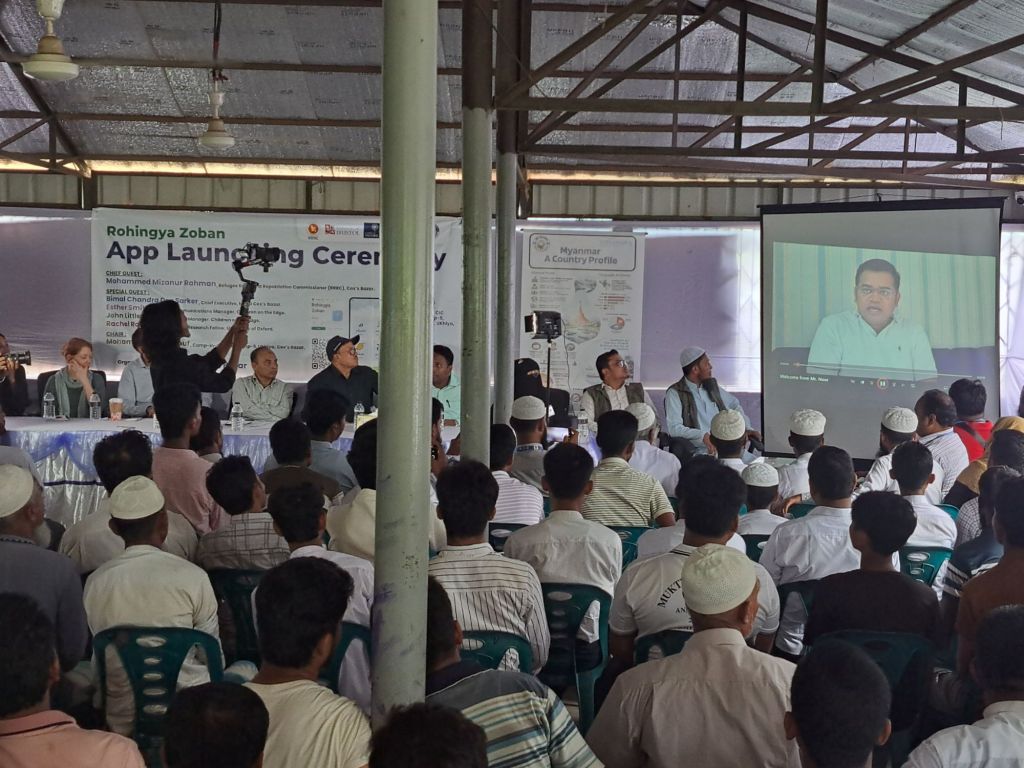
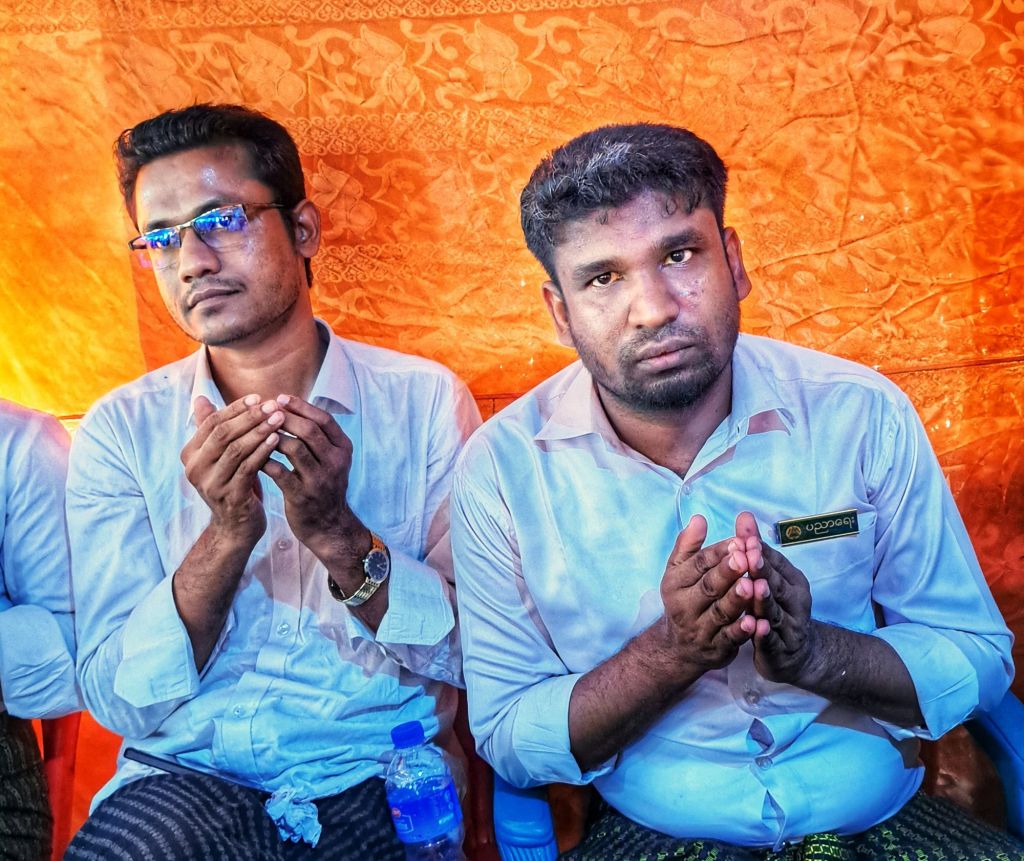
The Greatest Initiative: Launching the Rohingya Language App


For decades, the Rohingya language was largely restricted to spoken communication, with very limited opportunities for reading and writing due to policies imposed by the Myanmar government. Despite these challenges, dedicated Rohingya scholars, particularly Maulana Hanif Rajeb Sahib, worked tirelessly to develop and adapt a writing system for the Rohingya language, aiming to promote literacy among the Rohingya community.

From the early stages of development to its digital transformation, Mr. Mohammed Noor, Director of Rvision, played a leading role in promoting and advancing the language through official collaboration with Children on the Edge and Mukti Cox’s Bazar.

After years of dedication, hard work, and overcoming numerous barriers, the vision has finally become a reality. The Rohingya Language App is now available in the Rohingya refugee camps, enabling smartphone users to learn, read, and write their mother tongue anytime and anywhere.

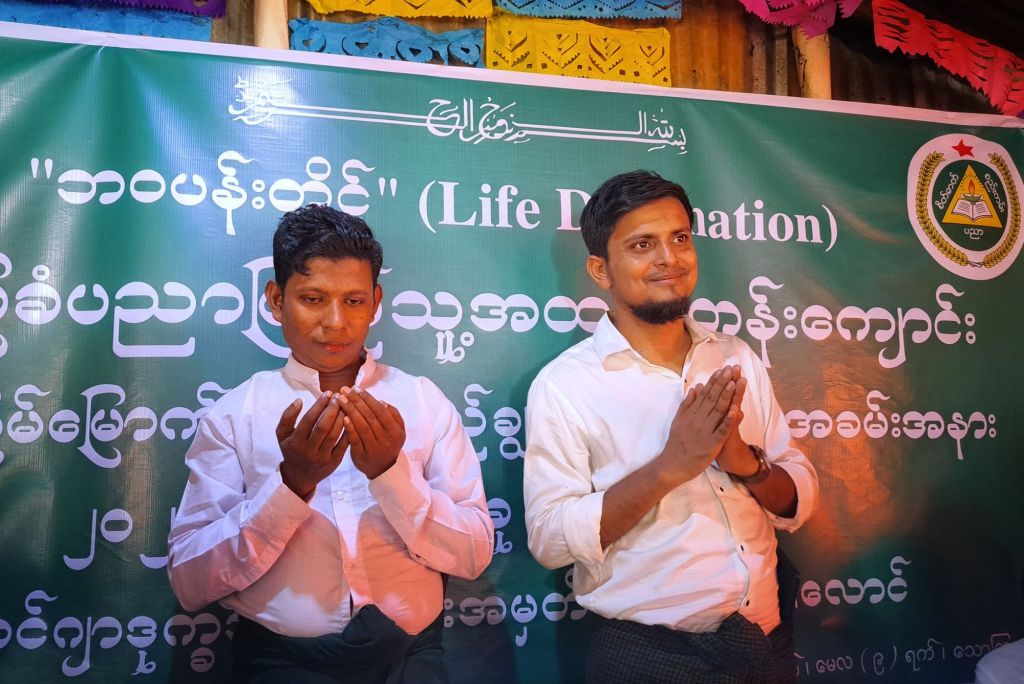
On 17 July 2026, the app was officially launched with the legal permission and support of the relevant authorities of Bangladesh, marking a historic milestone in the preservation and development of the Rohingya language and culture.

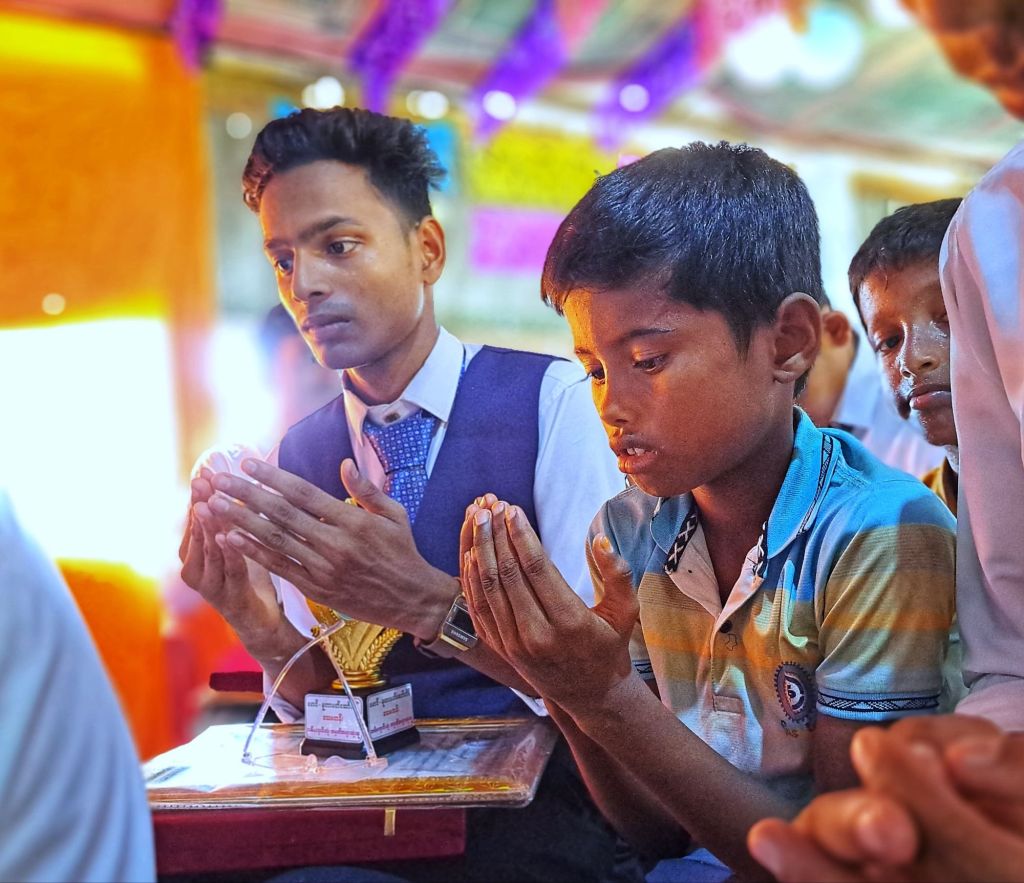
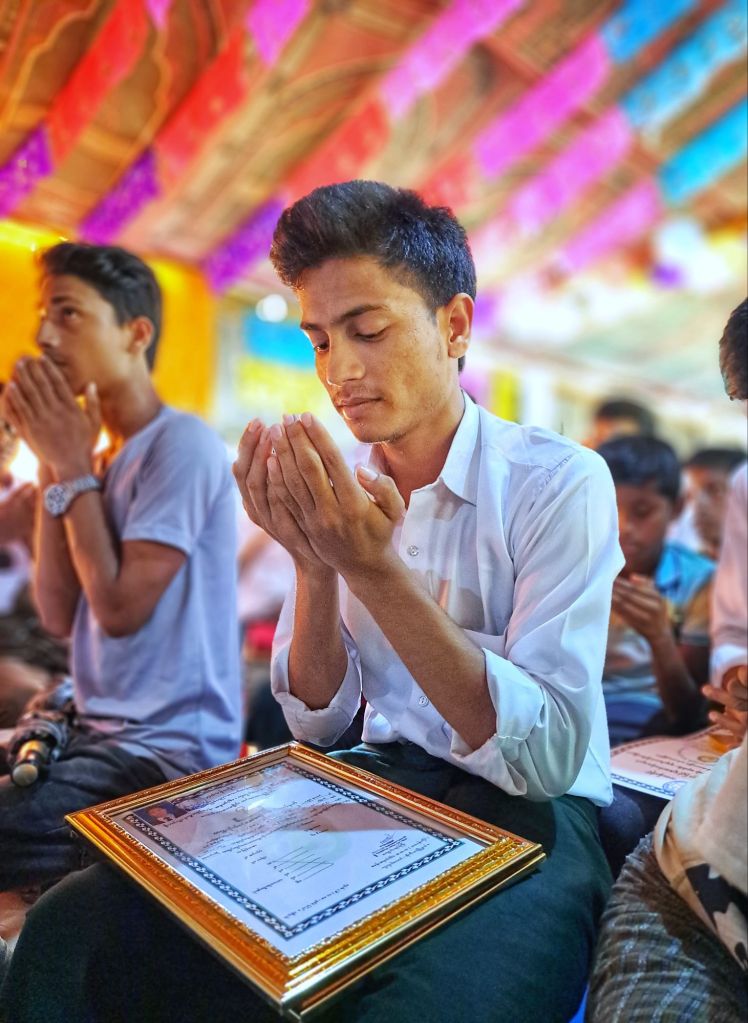
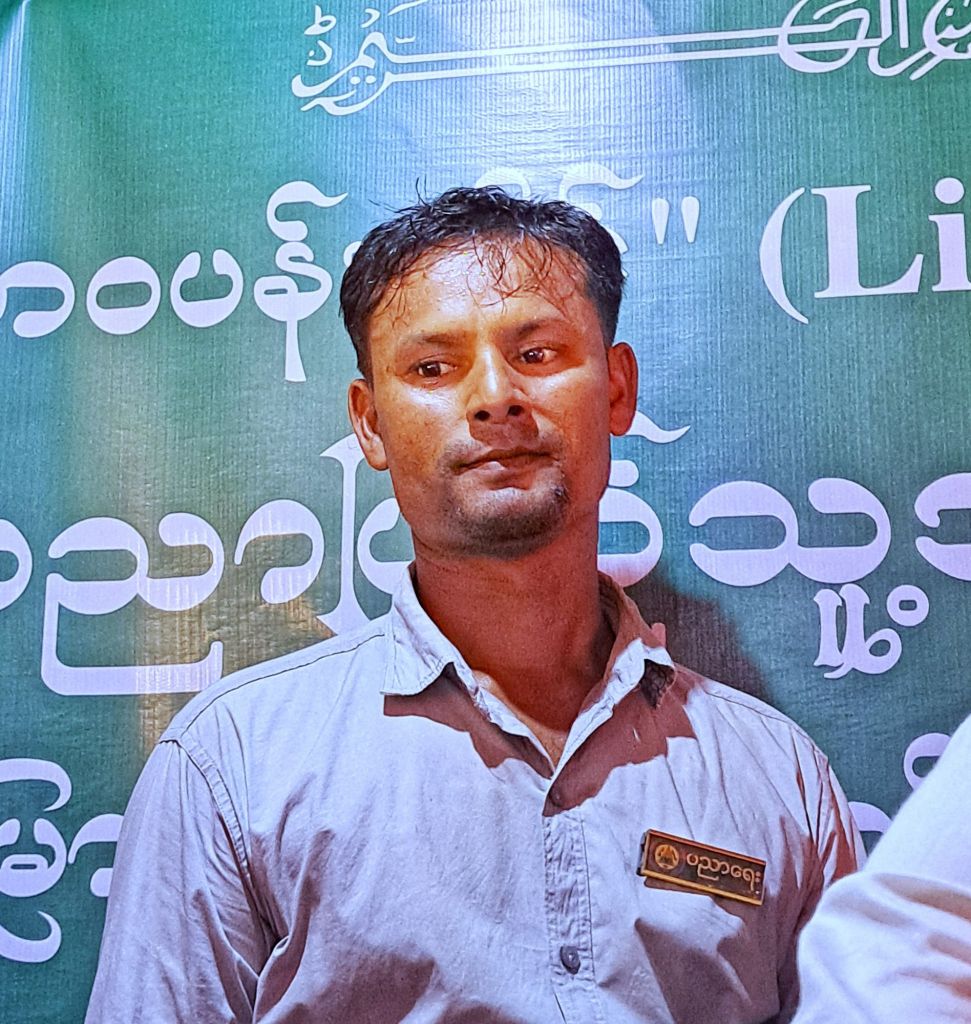
Photos: Anuwar Sadek

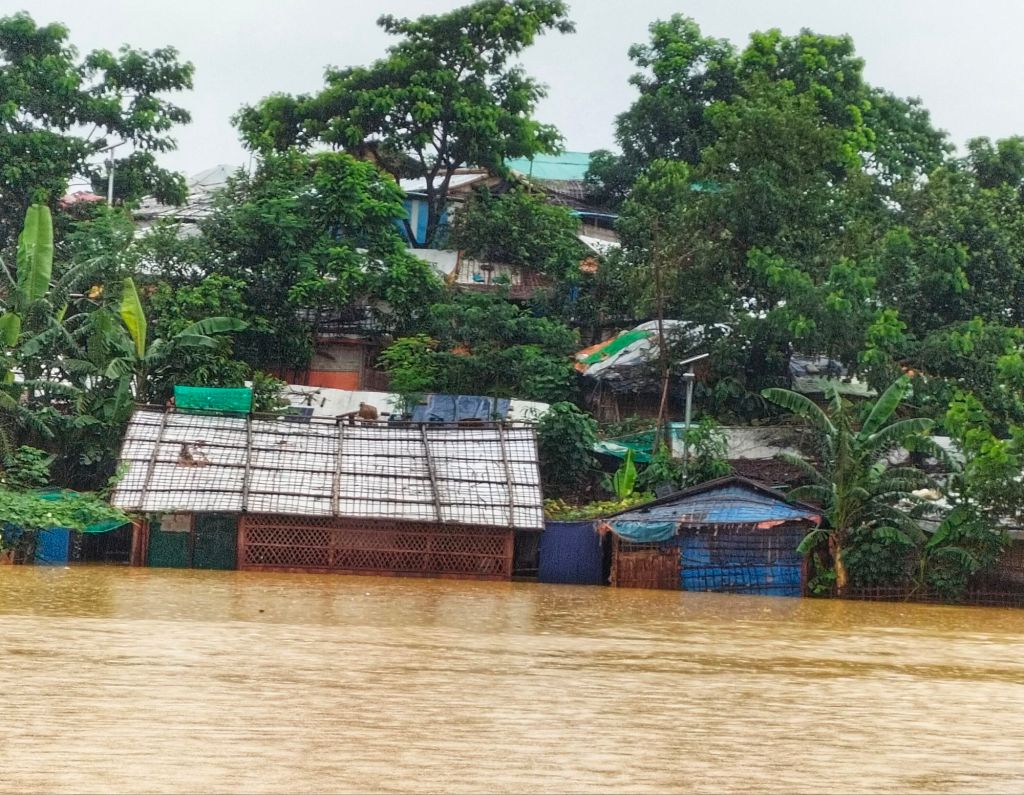
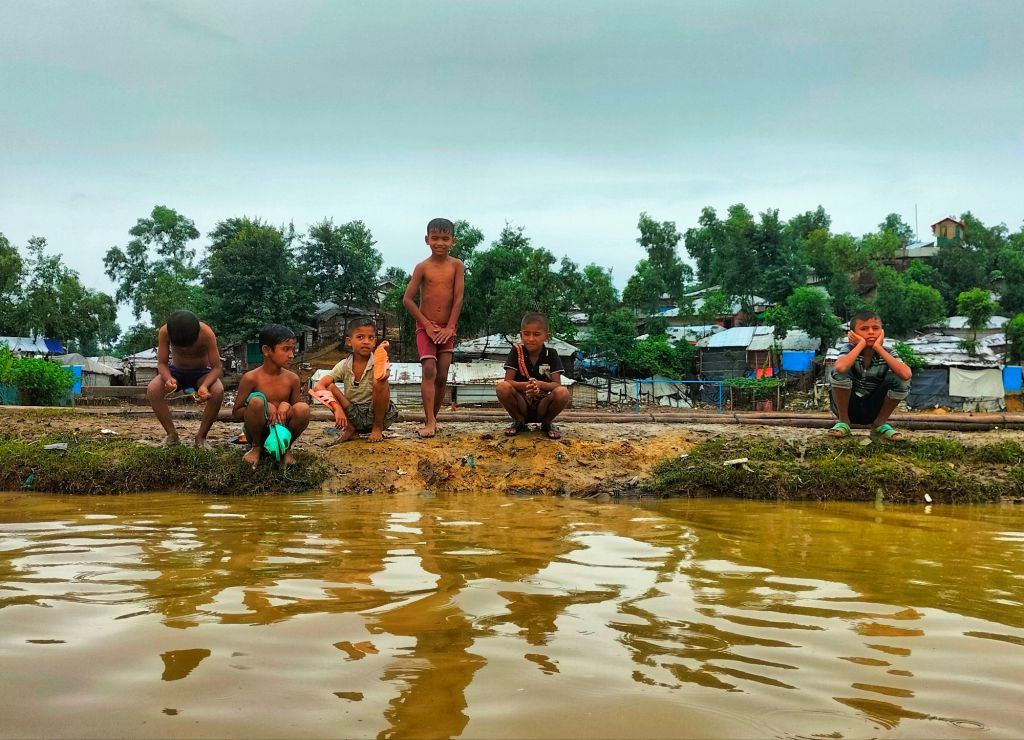
Flood in Rohingya Refugee Camp Destroys Lowlands and Sandy Hillsides

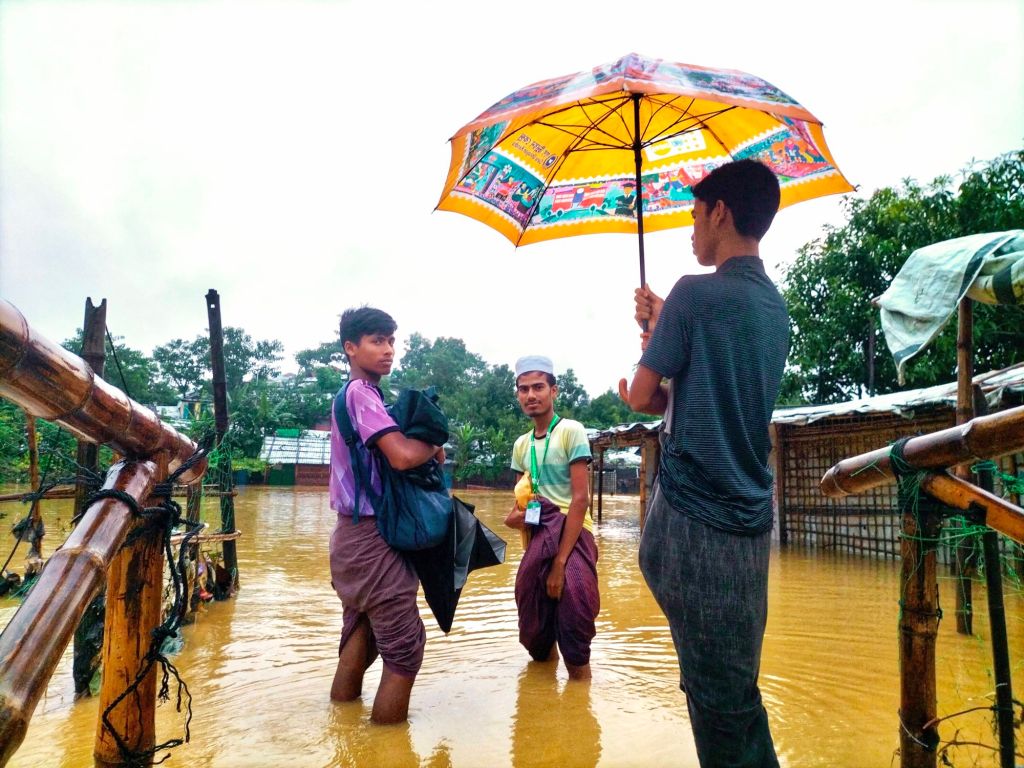
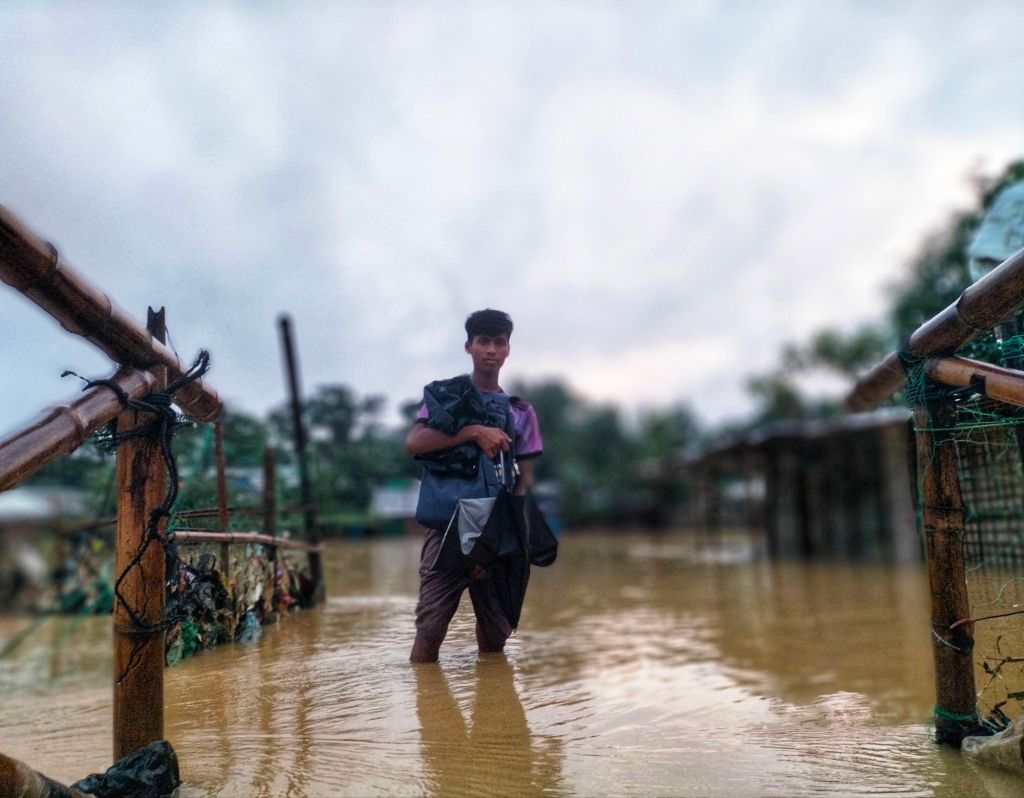
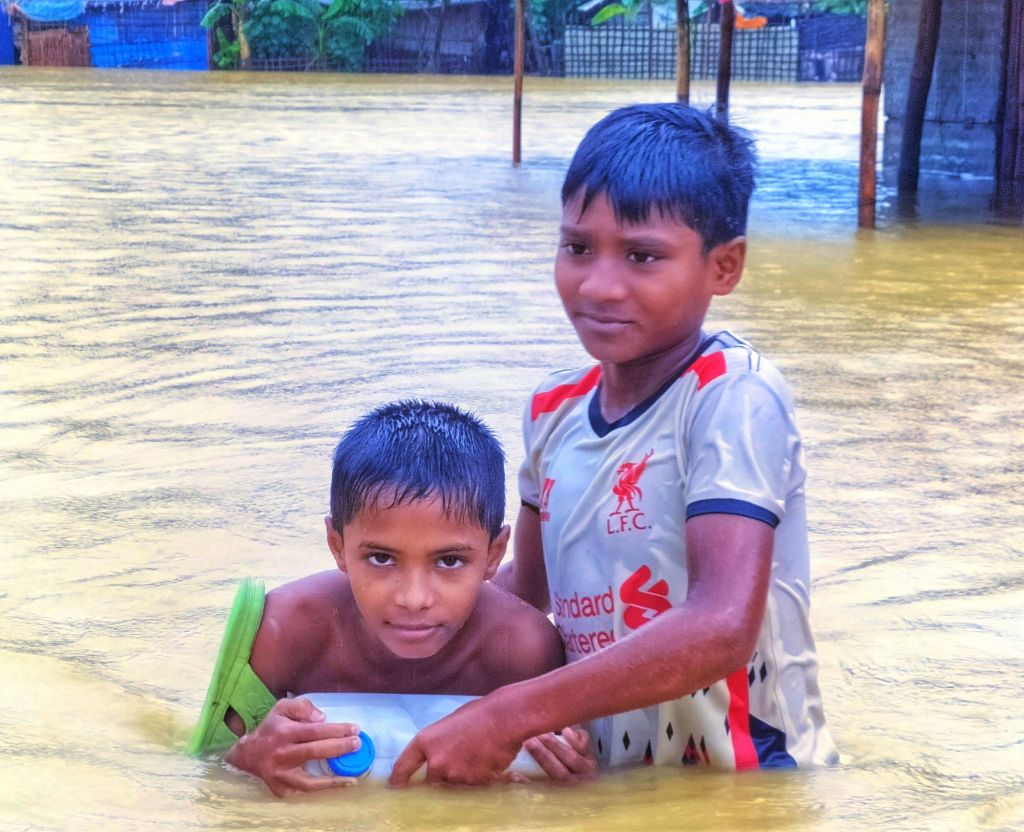
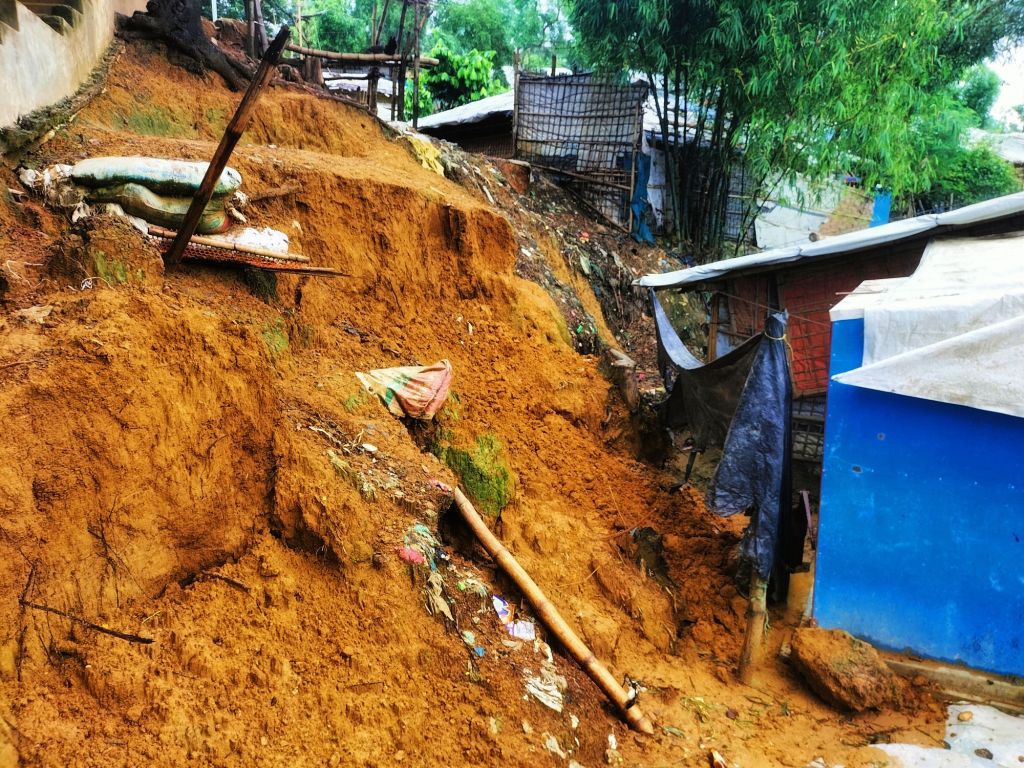
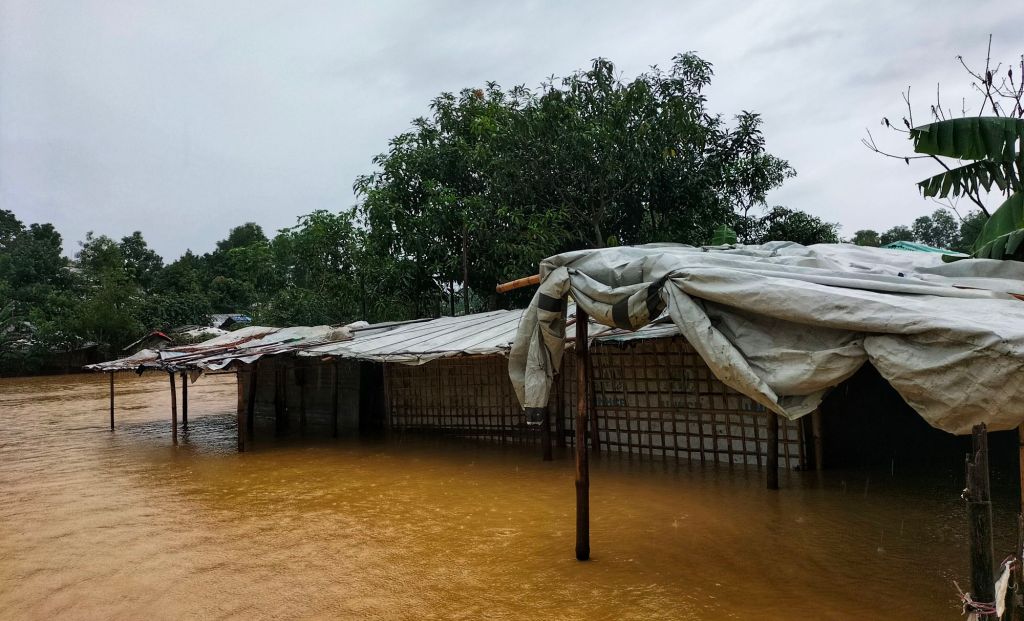
The monsoon may seem romantic to many, but for the Rohingya Muslims in the refugee camps of Bangladesh, it brings only hardship. Torrential rains trigger floods that destroy shelters on the low ground, while landslides threaten those living on the sandy hillsides. Every year, many families are left homeless, losing their few valuable belongings, including essential documents; in the devastation.

Rohingya students are being stuck in the current of flood
A Rohingya youth, crossing the flood water
When flood occurs, it damages not only the shelters but also the hearts of Rohingya people
Two young boys, playing in flood water by using glands and floating over the water
If the hill is sandy, it is easy to break into pieces when during the rainy season and the shelters nearby it, are buried under the ground
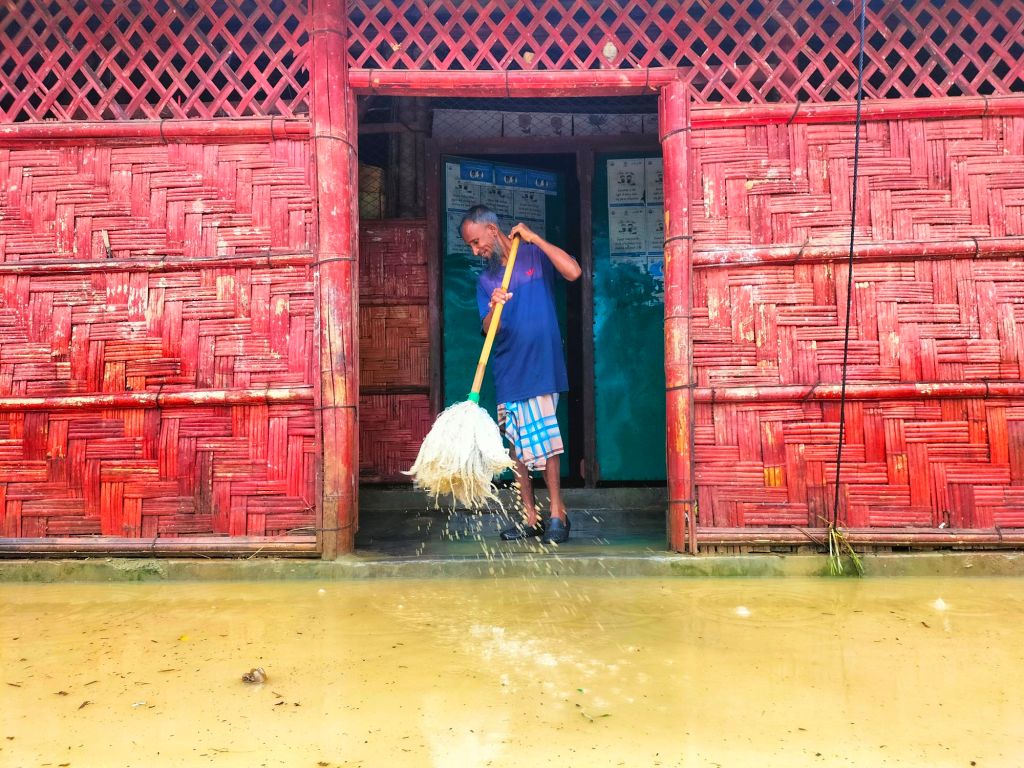
This is a learning center completely wet due to flood water
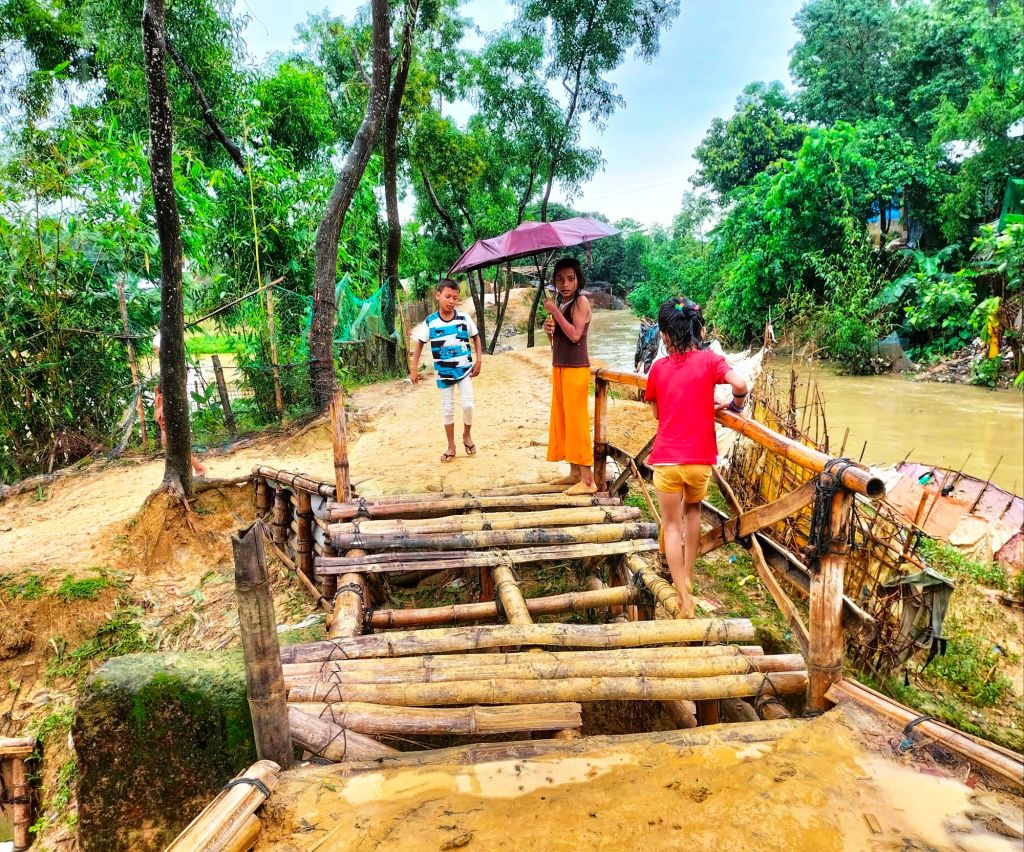
A broken briadge and Rohingya children are crossing over it even though fear to fall comes
Shops and shelters are drowned in the flood water
Another learning center is also under the flood water
While the Rohingya children find the places where they play is drowned, they feel disapointed because they are not able to play

Photos: Anuwar Sadek

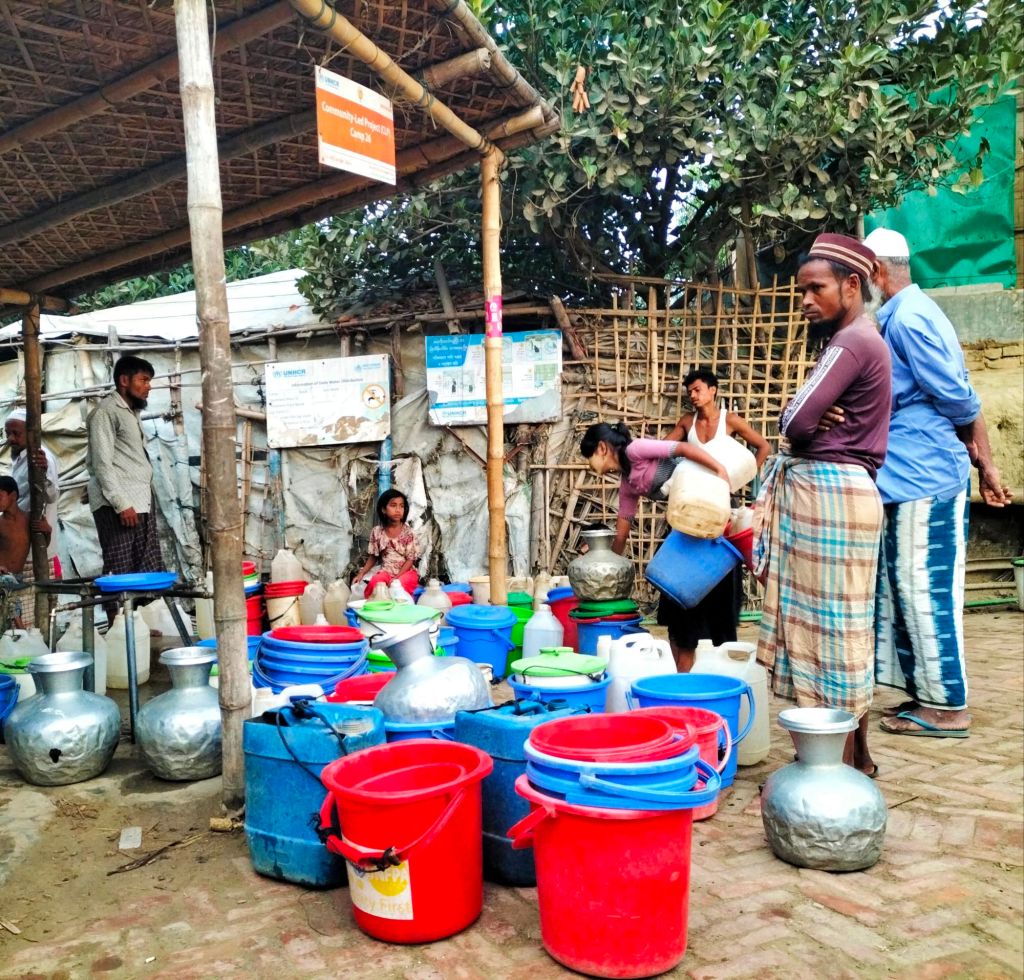
Water Crisis In Rohingya Refugee Camp, Bangladesh

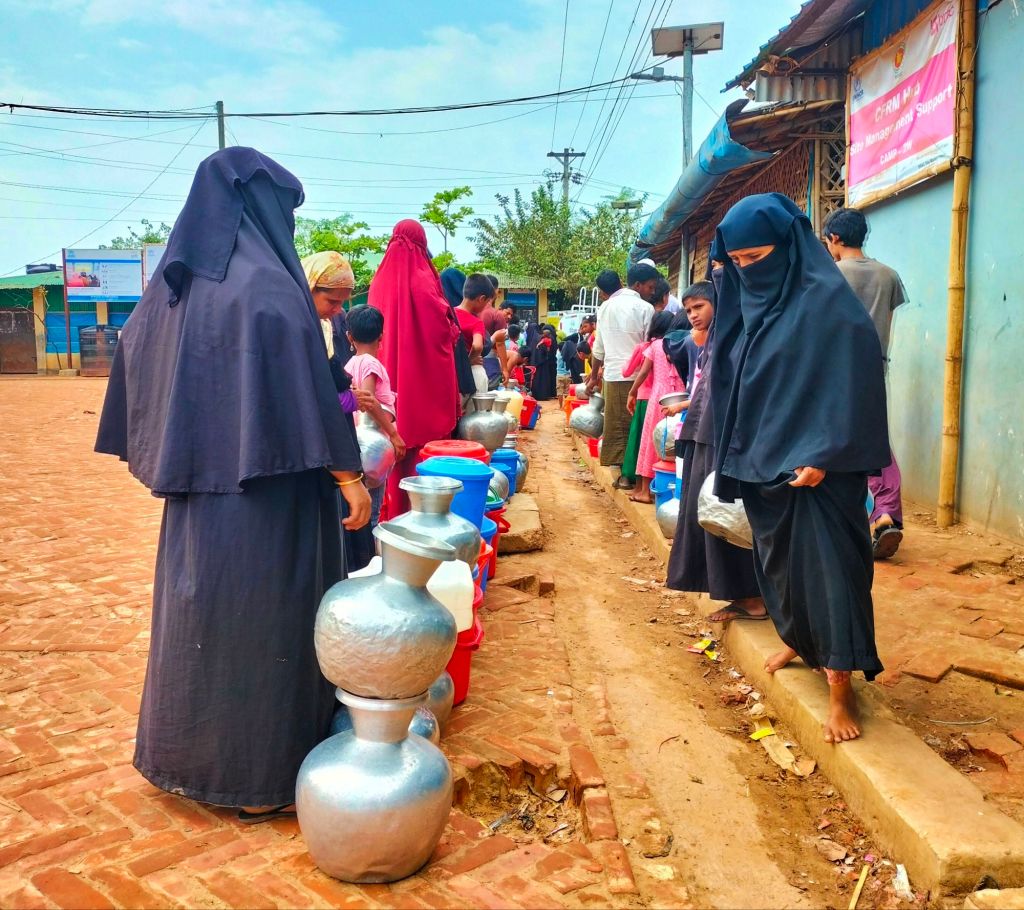
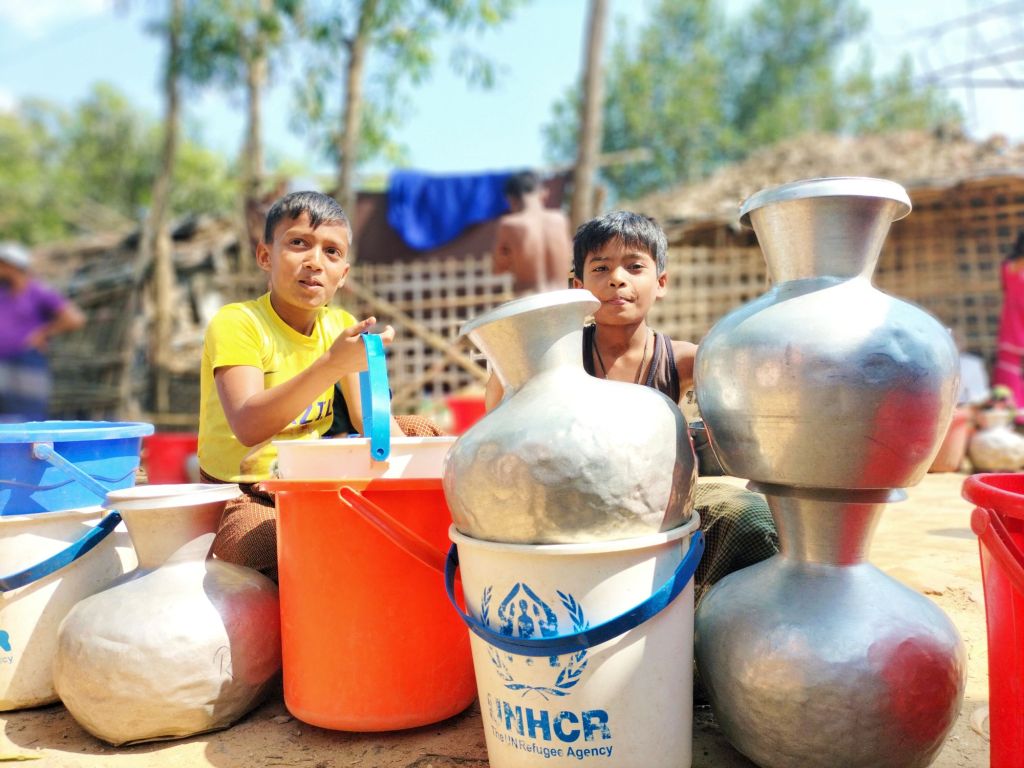
The Rohingya Muslims are the persecuted and vulnerable community in the world. Nearest one million Rohingya Muslims fled thier mother land, Myanmar due to genocidal act by the Myanmar Government and Arakan Army and currently taking refuge in the Cox’ s Bazar, Bangladesh. They extremely facing the challenge with many relevant basic needs such as food, health, movement, water, climate change and so on. Water is one of the most challenge for them to reach to their daily home- usage and pure water to drink clearly as the access to water is not enough to cover all the families in Rohingya refugee camp, Bangladesh.

Dried water doesn’t allow Rohingya women inside their shelters. Forcing them to stay in a long queue to fetch the water.
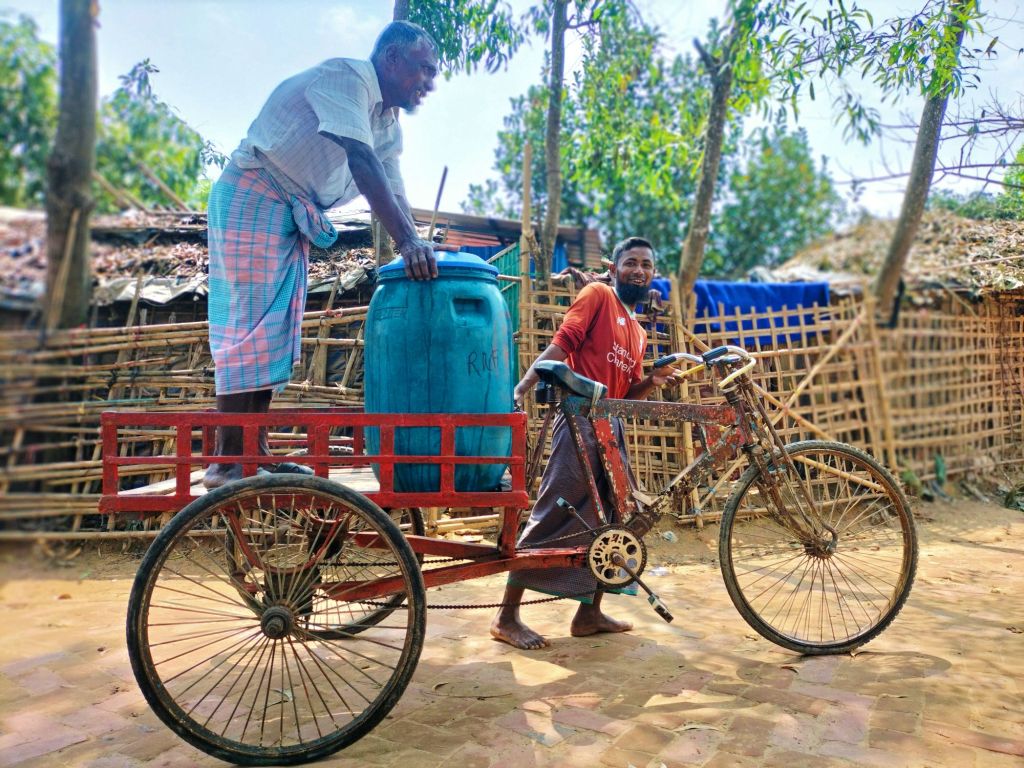
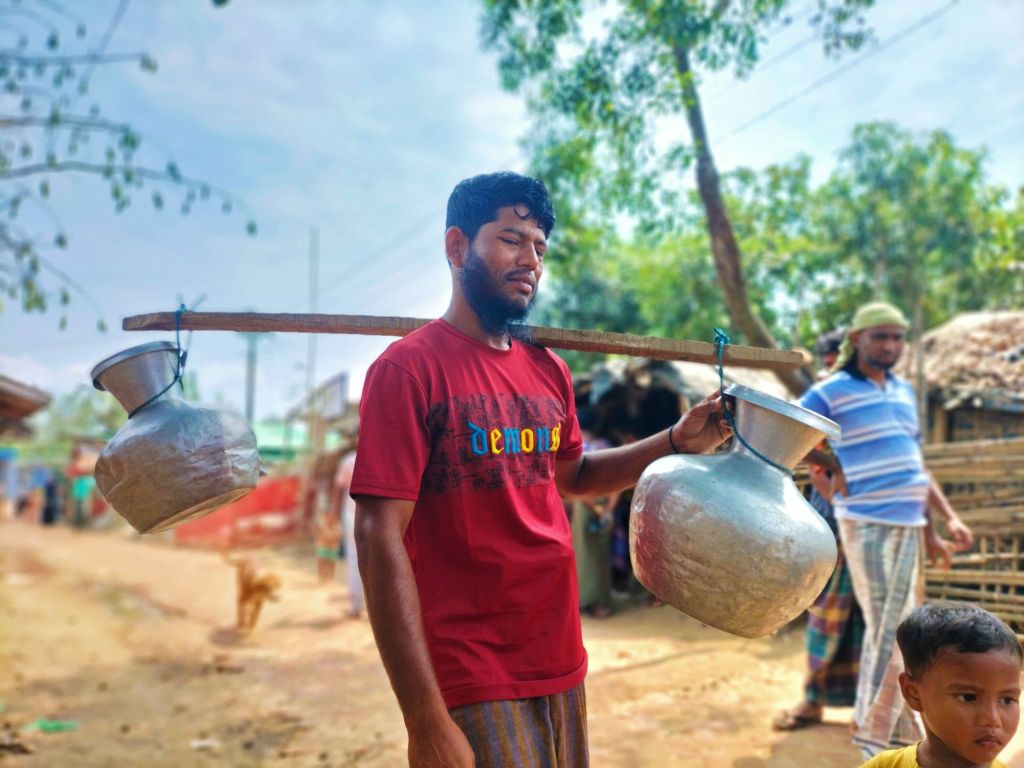
A Rohingya man is carrying water after standing for a long moment.
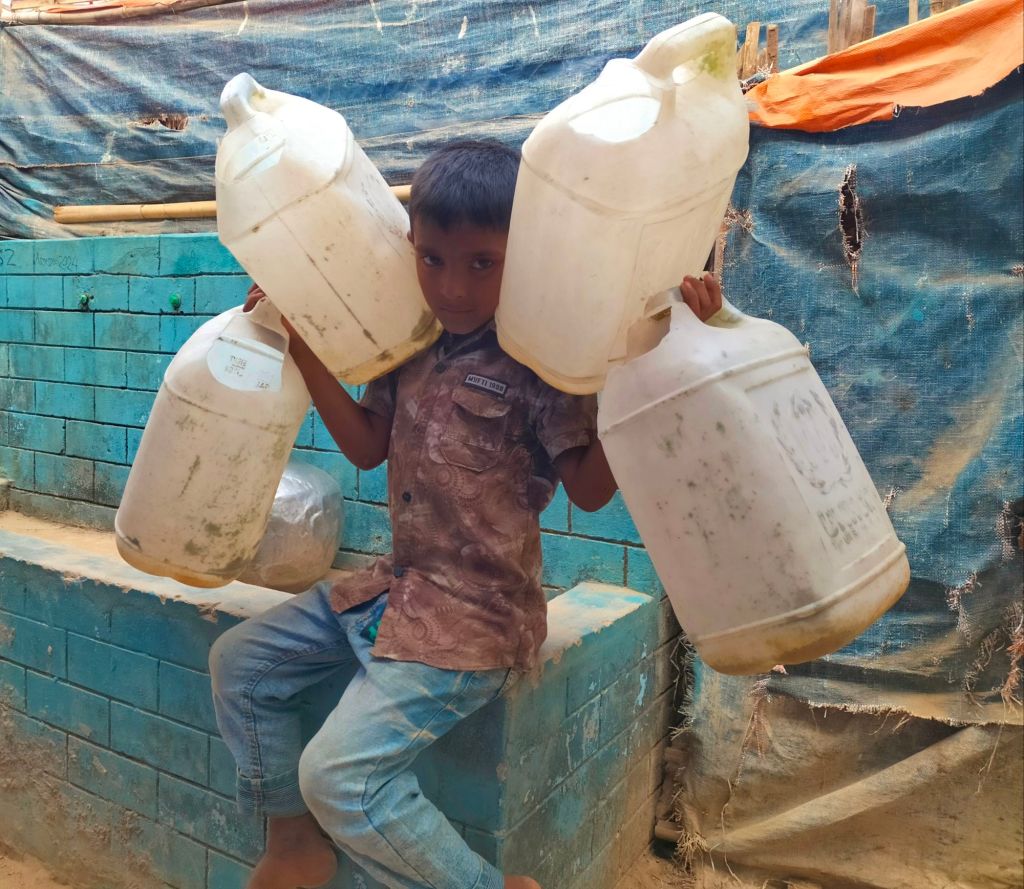
Even the children are not able to escape from crisis of water and they are also being forced to stand for water .
Water is the main problem for the Rohingya Muslims in Refugee camp, Banglsdesh. These both Rohingya men carrying water for their home-use.
Even after standing too long period, this man with litter falling sleep even he is standing
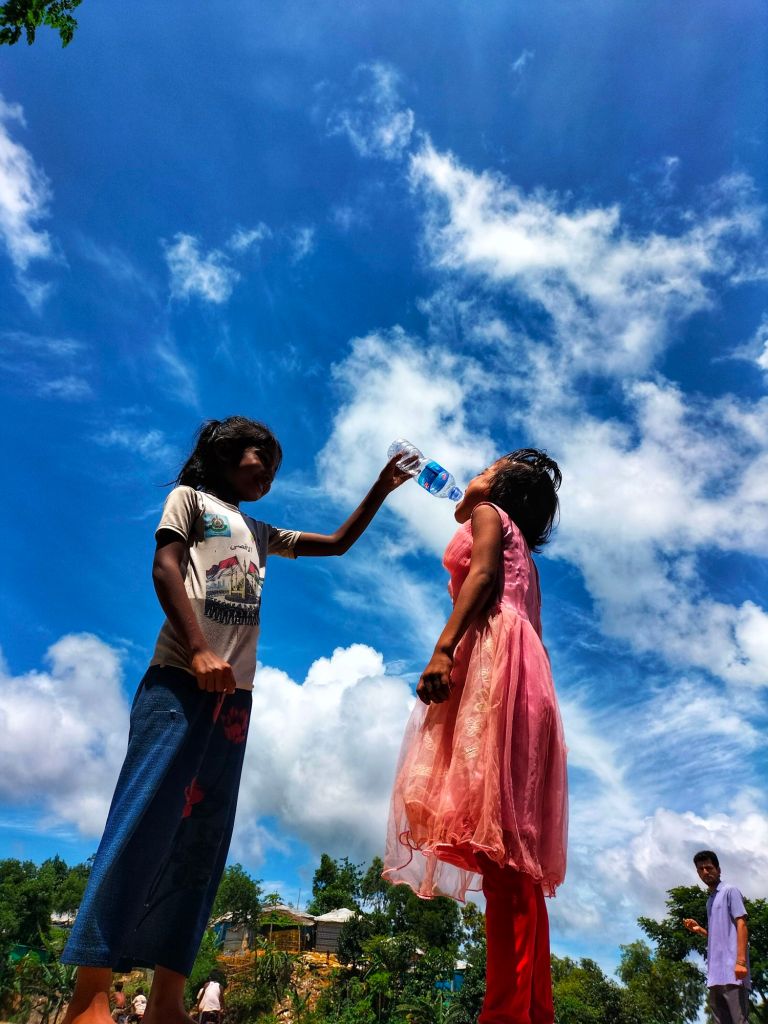
When the season is hot, the Refugee camp becomes a plot for fighting of water
Mohammad, 8, a Rohingya young boy used his two hands as a cup to drink water as he felt thirsty while he was on the way of his school
Mohammed Anos, 6 years old, a Rohingya child, helping to his pregnant mother by waiting for water beside the water tank
No matter how small a child is, everyone at least try to support to thier parents when they realize how the struggle they face within the water
This is camp-26, Teknaf, where Rohingya survivors often use the stream water to drink becuase the source of fresh water is unavailable there
This is what you see is a Rohingya cultral system which they used to drink water on the way of journey when they were in Myanmar
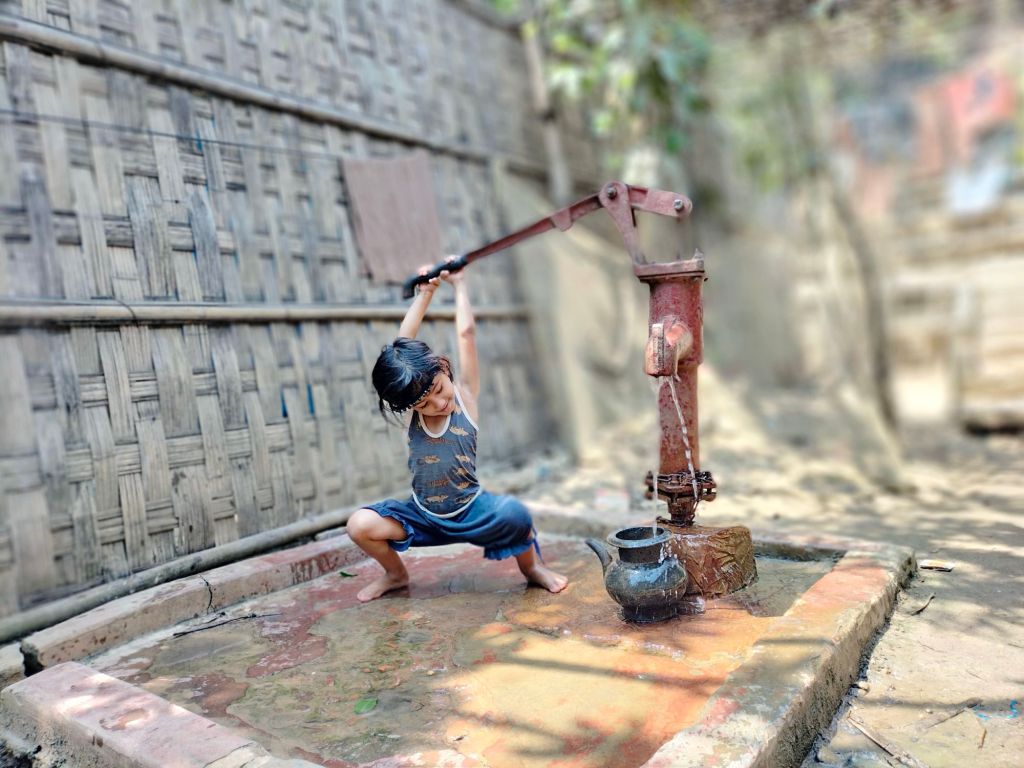
A little child is trying to release water from a water-tube

#Water #problem #Rohingya #Refugees #Crisis #lackofwater #waterissue #Cox’s Bazar, Bangladesh

Photos: Anuwar Sadek

This is Anuwar Sadek, a photographer, writer, teacher and poet from the largest refugee camp, Bangladesh. Through my lens, I love capturing the hardships and emotional inner cry of the Rohingya Muslims and also capturing macro objects like insects and flowers.

Reach out me…. https://www.instagram.com/anuwar_sadek_dkl?igsh=c3Uxdzg3Z2ljcHl6