
Words by Anuwar Sadek and photos by Rj Sayed Nur
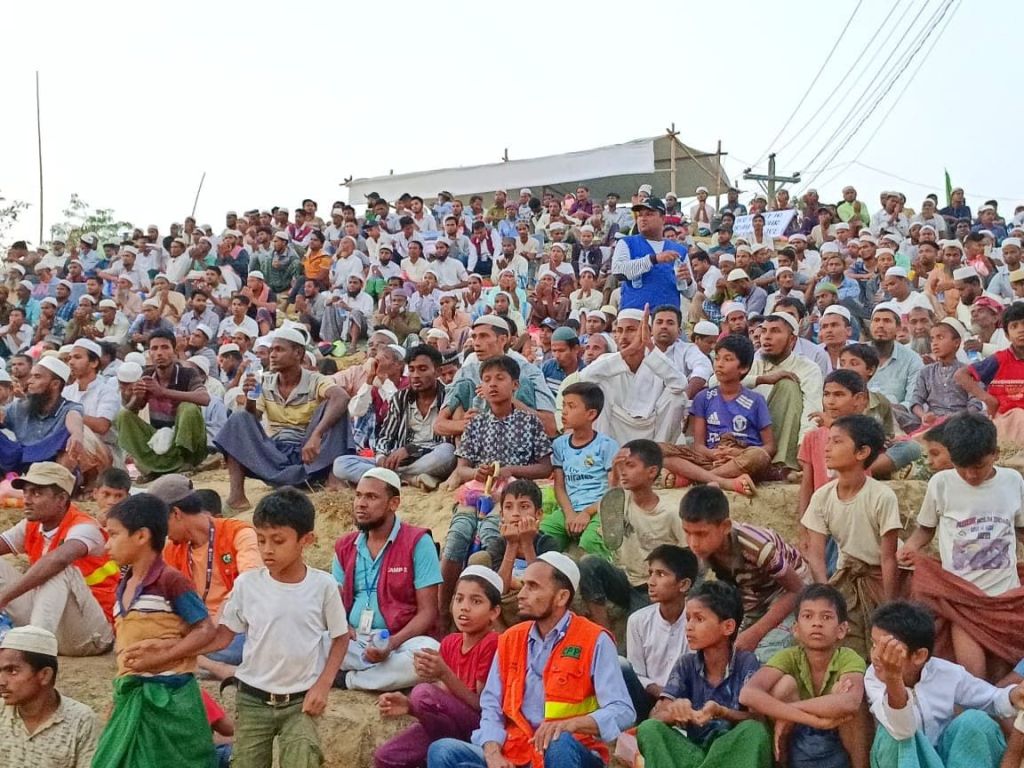
Rohingya refugees gathered in hope of repatriation during the visit of UN Secretary-General António Guterres and Dr. Muhammad Yunus to Cox’s Bazar, Bangladesh.
Photo: Rj Sayed Nur
The Rohingya, a Muslim minority group in the northwest of Myanmar, have long endured persecution and oppression. For decades, the Burmese government has subjected them to violence and denied them basic human rights, including access to education, healthcare, employment, and freedom of movement.
Historically, the Rohingya were recognized as one of Myanmar’s 136 ethnic groups, living peacefully alongside the Rakhine people in Arakan State. However, as a minority, the Rohingya faced growing hostility, particularly from the Rakhine community. False accusations and discriminatory attitudes led to their increasing marginalization. These claims were widely accepted by the Burmese government, which resulted in the systematic denial of the Rohingya’s rights and, eventually, the forced displacement of hundreds of thousands of people in 2017.
During a recent visit to Bangladesh, UN Secretary-General António Guterres announced that the United Nations would engage with the Arakan Army AA to negotiate the safe and dignified repatriation of the Rohingya refugees currently in Bangladesh.
However, many refugees have raised concerns about the role of the Arakan Army in the repatriation process.
” Once, the Rakhine people were not part of the Arakan Army but were supporters of the Burmese government. They used hatred, discrimination, and false accusations to strengthen the Burmese government’s power to deny us equal rights. They also created magazines against our people and distributed them to their generations to instill deeper hatred toward us. The Burmese government took this seriously, and as a result, the Rakhine people gained more favors.” Nurul Haque shared his point
Nurul Haque also added that the Burmese government’s trust in the Rakhine people crumbled under the Arakan Army’s dominance. This became the greatest lesson the Rakhine community taught the Burmese government.
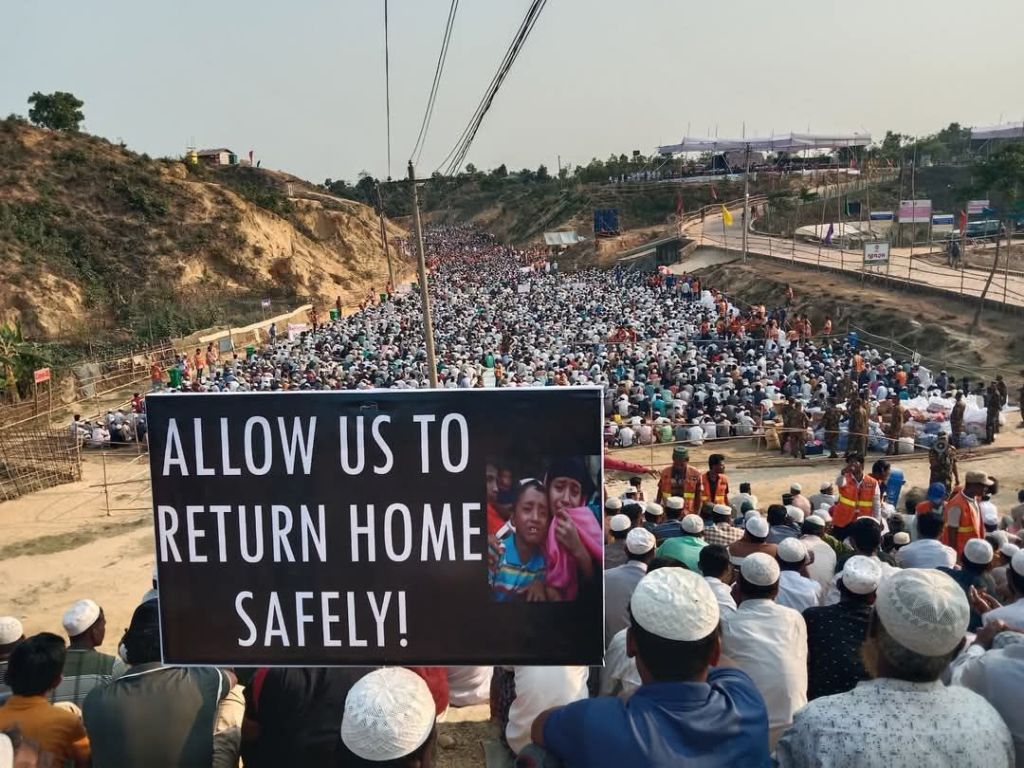
Rohingya refugees seek justice from the world and call for a safe return to their homeland.
Photo: Rj Sayed Nur
Md Nur, another refugee, shared his view that the Rakhine community manipulated the Burmese government to further their own agenda.
“Once the Arakan Army was weak, they used the term “Rohingya,” but when they became strong enough to defend themselves, they started calling us “Bengali.” “
He said. “They are our primary enemy, and we cannot accept any repatriation process that puts us under their control and their main focus is to exclude us from our original homes.”
Mohammed Saber, a Rohingya student, emphasized the importance of international intervention for any successful repatriation.
“It will not be possible to repatriate Rohingya refugees from the Bangladesh refugee camps unless the United Nations intervenes and deploys forces to Arakan State. It is crucial for the international community to take concrete action to establish a safe zone in northern Arakan, Myanmar, rather than relying solely on negotiations with the Arakan Army.”
While there is hope for the repatriation of the Rohingya refugees, many recognize that this process cannot proceed without the proper protection and security guarantees. International action is necessary to ensure that the refugees can return to their homeland safely and with dignity, without being subject to further persecution.
#Arakanarmy #Repartriation #UNforces #homes #safereturn #Arakanstate #Myanmar

 Life Destination School
Really appreciate the title of your piece, anuwarsadek493. What is the word for “endless” in your language?
LikeLike
Endless means
Simaa Saraa
LikeLiked by 1 person