
Words by Mohammed Anuwar and Photos by Anuwar Sadek
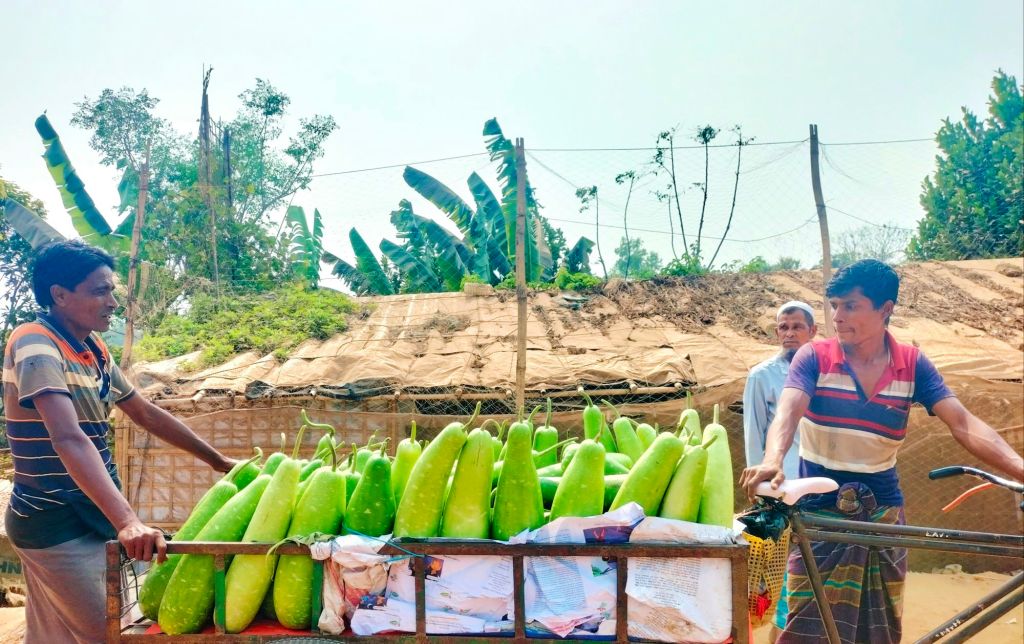
The Rohingya refugee community is facing a dire humanitarian crisis as food rations have been slashed from $12 to just $6 per person. This drastic cut is not merely a funding issue—it is a direct consequence of the escalating global climate crisis. Extreme weather events are disrupting aid supply chains, reducing global food production, and worsening the already fragile conditions in the refugee camps. Here’s how the climate crisis is impacting our community and why urgent action is needed:
1. Climate Disasters Disrupting Aid Delivery
Flooding and Landslides

Heavy monsoon rains frequently wash away roads, damage infrastructure, and make it nearly impossible for aid trucks to reach the camps.
Violent storms disrupt supply chains, delay food shipments, and leave the community even more vulnerable to hunger. Extreme heat and prolonged droughts are reducing global food production, increasing food prices, and making it harder for aid agencies to meet refugees’ needs
2. Global Food Shortages and Rising Costs
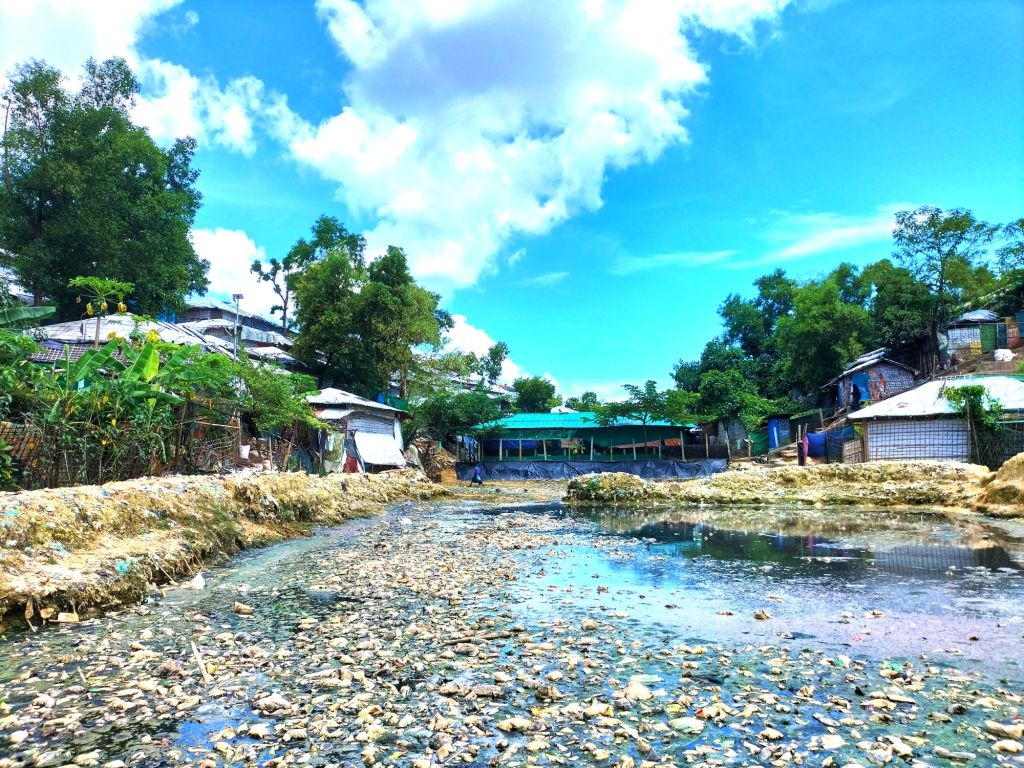
Climate change is devastating agriculture worldwide, causing crop failures and supply chain disruptions. Food prices are skyrocketing due to droughts, floods, and extreme weather, forcing humanitarian organizations to reduce aid budgets.
As a result, Rohingya refugees now receive just $6 in rations per person—barely enough to survive.
3. The Impact on Rohingya Refugees
Families are skipping meals or surviving on inadequate nutrition, leading to widespread malnutrition. Malnourished children, pregnant women, and the elderly are at high risk of illness, while weakened immune systems make diseases spread faster.
4. Broader Consequences of Ration Cuts
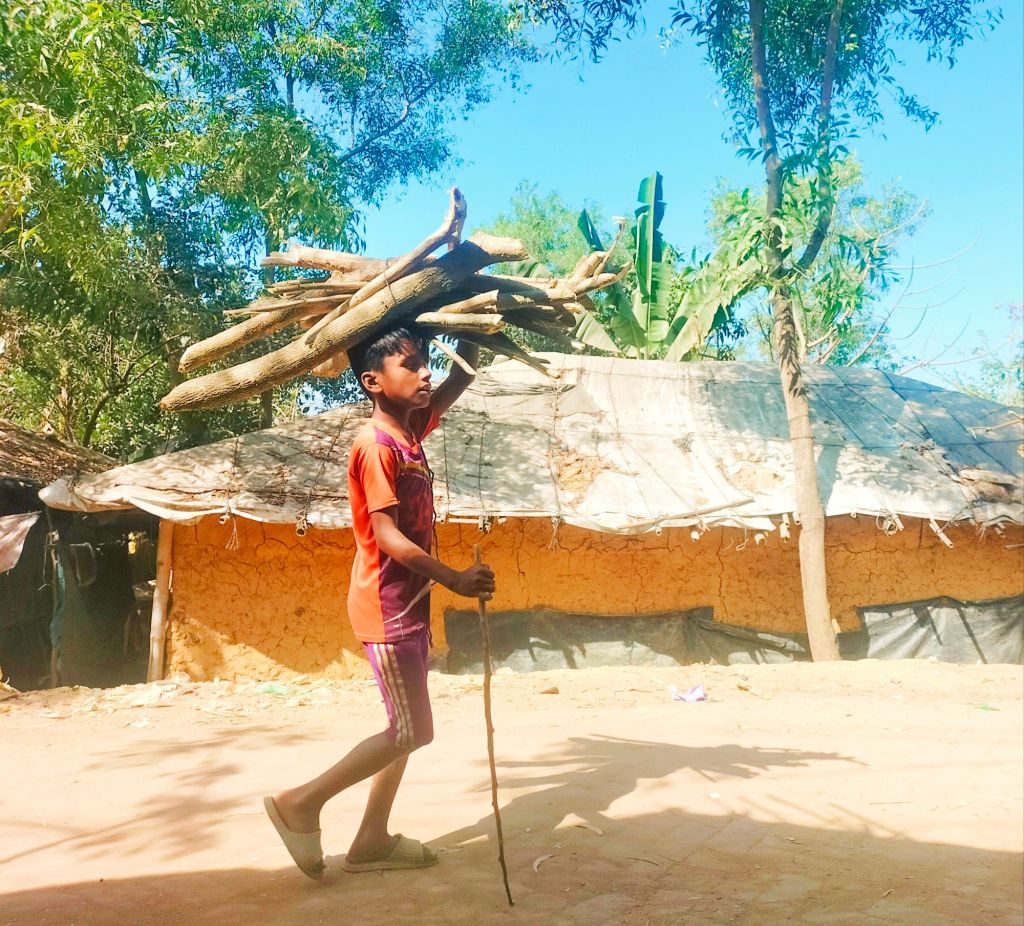
Desperate for survival, many are at risk of exploitation, child labor, and human trafficking. Scarce resources are fueling conflicts within the camps, further destabilizing an already fragile situation.
5. A Call for Immediate Action
The international community must recognize the climate crisis as a direct cause of worsening refugee conditions.
Immediate funding is needed to restore food rations and prevent further hunger-related deaths.
Long-term solutions must include climate resilience strategies, sustainable aid distribution, and stronger global commitments to refugee rights
Conclusion
The ration cut from $12 to $6 is not just a statistic—it’s a life-threatening reality. The climate crisis is no longer a distant threat; it is here, and it is pushing the Rohingya community to the brink of survival. We urge the world to act now before it is too late. Our lives depend on it.
” An insightful article by Mohammed Anuwar, a young Rohingya climate change activist working in the UNHCR environmental sector and also a grade-12 student of our Life Destination High School.”

 Life Destination School