
Words by Anuwar Sadek and Sayedul Amin
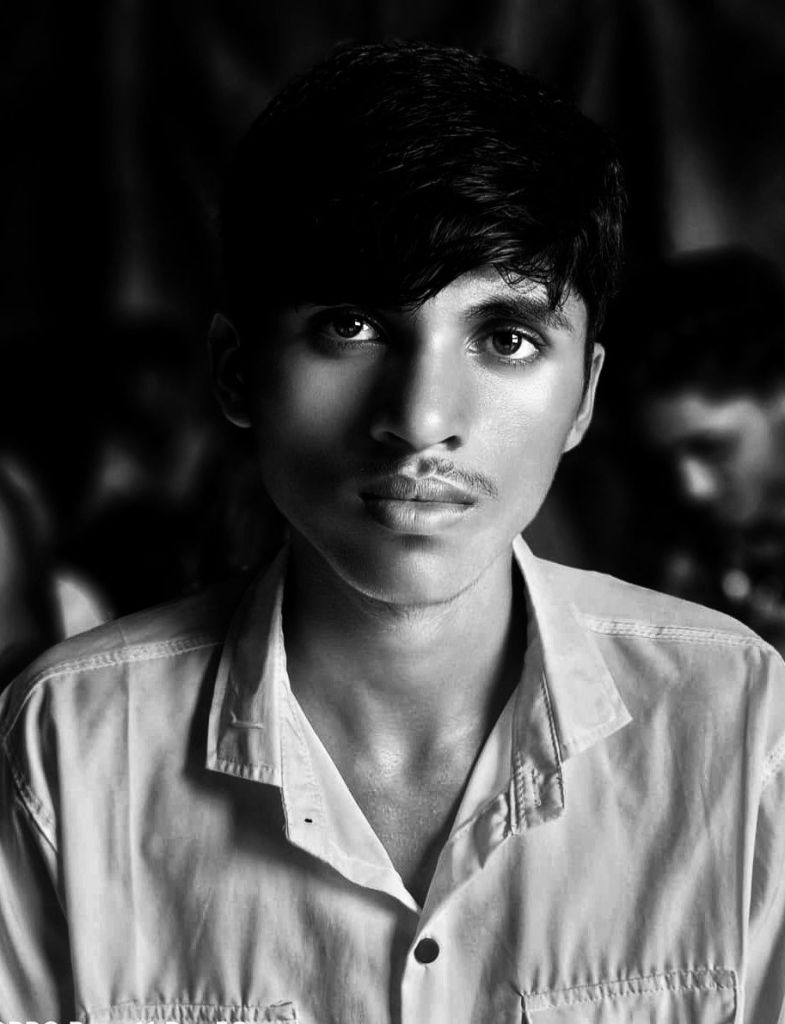
My name is Sayedul Amin, son of Kamal Hossain and Noor Foraz. I am 17 years old and one of nine members in my family. I was a student in Kyet Yoe Pyin (ကြက်ရိုးပြင်), Northern Maungdaw Township, Arakan State, Myanmar. Life was simple and peaceful, closely tied to nature. I was in grade 2 when I was still in Myanmar. Though our life was small, our hopes were big.
But how could we ever imagine that we would be forced to search for safety from a land that had suddenly become a graveyard, destroyed by the brutal operations of the Burmese military?
On 11 October 2016, my life changed forever when the junta began its campaign of discrimination and violence. It all started on 9 October, when an armed operation began moving from Hawarbil village (ကျီးကန်ပြင်) toward our village, Kyet Yoe Pyin. On that day, some of my neighbors were killed by gunfire, young and old, without distinction. Others were taken by Burmese soldiers, and to this day, there is no news of them. Tears became our closest companion. Fear flowed like a stream. Our land became venomous, yet hope still lived in our hearts.
On 12 October 2016, we made the painful decision to leave our home. I felt like a motherless child. “Where will we go?” my father asked through tears. No one wanted to leave, but we had no choice. We left behind everything—our belongings, our memories with carrying only fear in our hearts and a faint hope for survival.
That night, we reached a house not far from our village. We spent the whole night hearing gunfire, like rain falling on our fears and the mosquitoes were only night guards. The next morning, the military began going door to door. We hid in silence. The soldiers shouted, “Where are you? Come fight us!” Our hearts felt like they were breaking into pieces, like a landslide falling into sand. We silently wept. Everyone prayed, “Oh Allah, Oh Allah.” After about an hour, the soldiers moved to another home. As soon as they left, we escaped.
Behind us, houses began to burn. Nearly 1,500 homes were destroyed in our village, including the market. We moved from village to village, desperately searching for safety. Gunfire echoed from the north. Everyone took shelter in the paddy fields and under the open sky. As we ran, the cries of the people and the sounds of bullets followed us.
A small stream with a strong current blocked our path. In the grief struck like an earthquake, I lost sight of my parents and other family members. I didn’t know how to swim. My heart broke again. Luckily, a villager heard my cries and helped me cross.
On 15 October 2016, I reached Kya Gon Ton village (ကျားခေါင်းတောင်ရွာ), where by some miracle, I found my family again. But the villagers there were also filled with fear and sorrow. My father, crying as he hugged me, said, “This is the end of my life.” One of my uncles suggested us to ahead to the mountains for safety. But soon, another idea gave us more hope, “It’s better to move to Bangladesh.” He added.
So we began our journey. Along the way, we were hungry, exhausted, and afraid. When we finally reached the border, gunfire broke out again. We were forced to stay one night near the border. That night, grass became our bed, leaves became our food, and melted dew became our water. Mosquitoes were our only companions and their relentless buzzing kept us awake. Many people died that night. I thought: “This stream is their grave, and the fish are now their friends.”
At dawn, we crossed the border into Bangladesh, paying 25,000 MMK per person with the money my parents had saved back home. On 22 October 2016, we reached our final destination: the Rohingya refugee camp in Bangladesh.
Now, I live as a refugee without home, land, or happiness. I am like a fish without water. A baby without a mother. A bird without a nest and the shelter I sleep in at night is full of mosquitoes and doesn’t allow me a peaceful sleep. I don’t have access to higher education. Sadness is my closest friend in the camp. Yet despite everything, I continue my studies. I currently study in grade 9 at Life Destination High School in Camp 6. I am trying to build a better future, InshAllah (God willing).
My final request to the world is this: Please open your eyes to the Rohingya crisis. Bring us justice. And ensure that Rohingya children like me—have the chance to access higher education.
Note:
Sayedul Amin, a grade 9 students, begins sharing his life struggle through his pen after receiving the recent Beginning Writers’ Workshop organized by Life Destination High School.
 Life Destination School