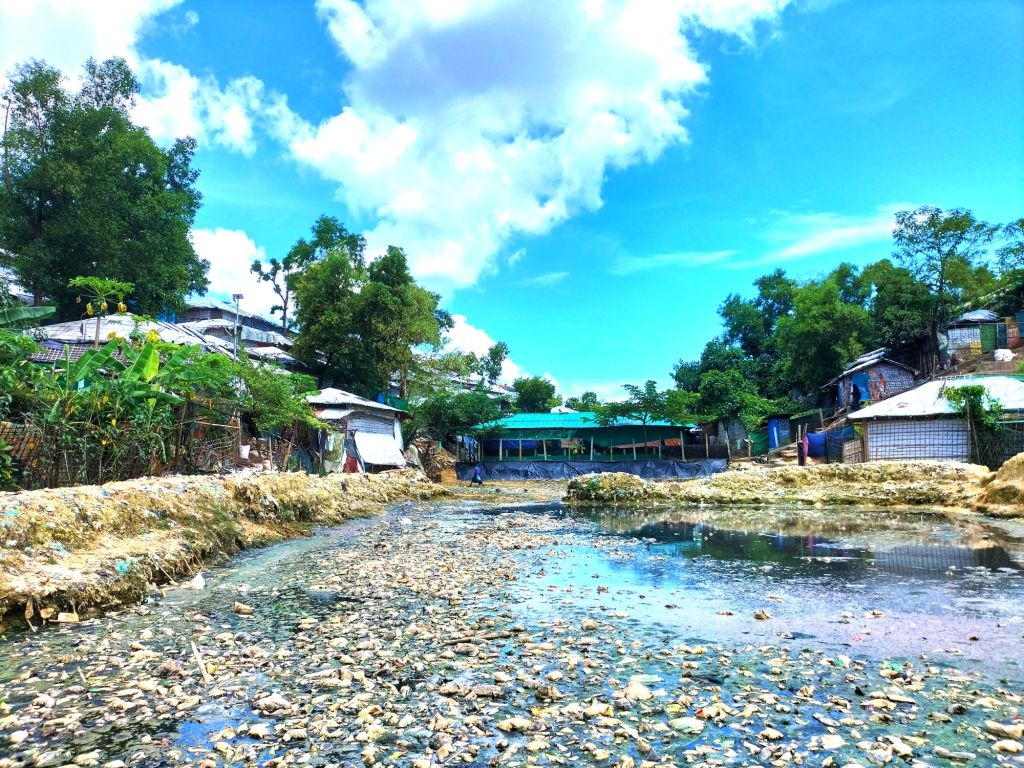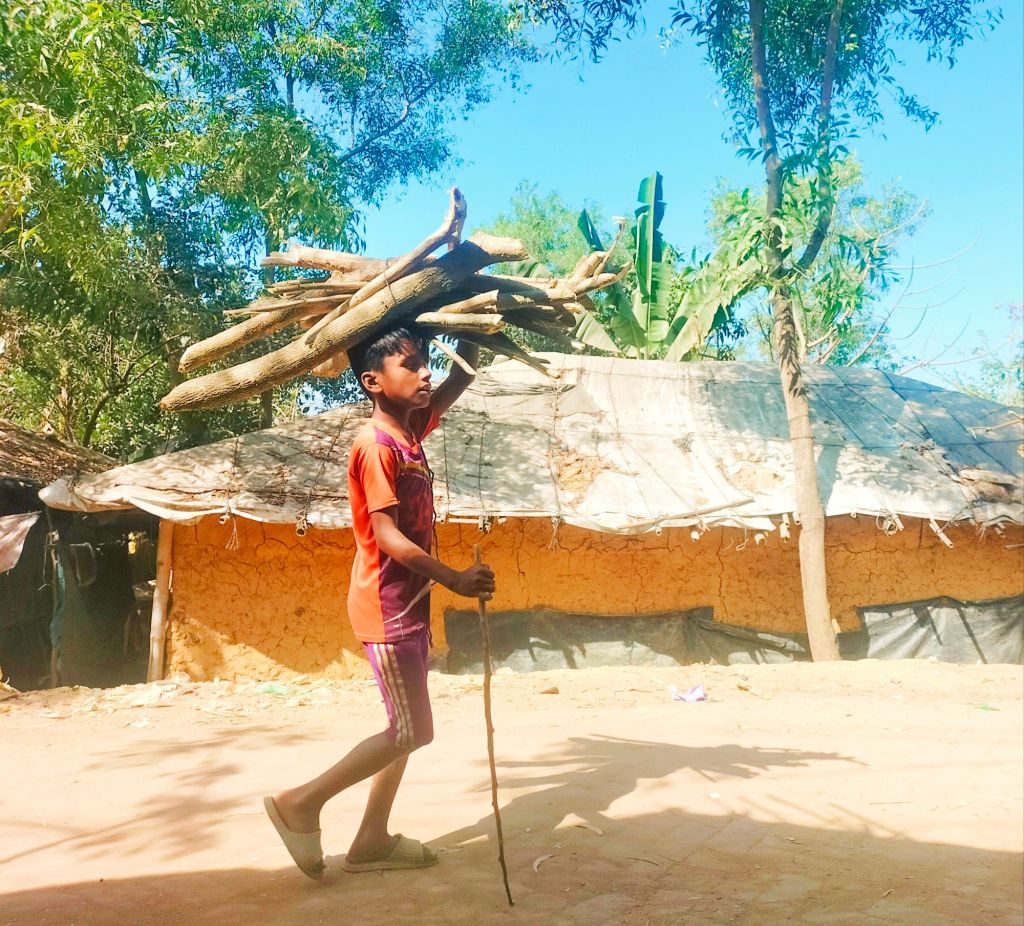
The Endless Ordeal of the Rohingya: A Cry for Justice and Rising Voices on World Refugee Day

By Anuwar Sadek

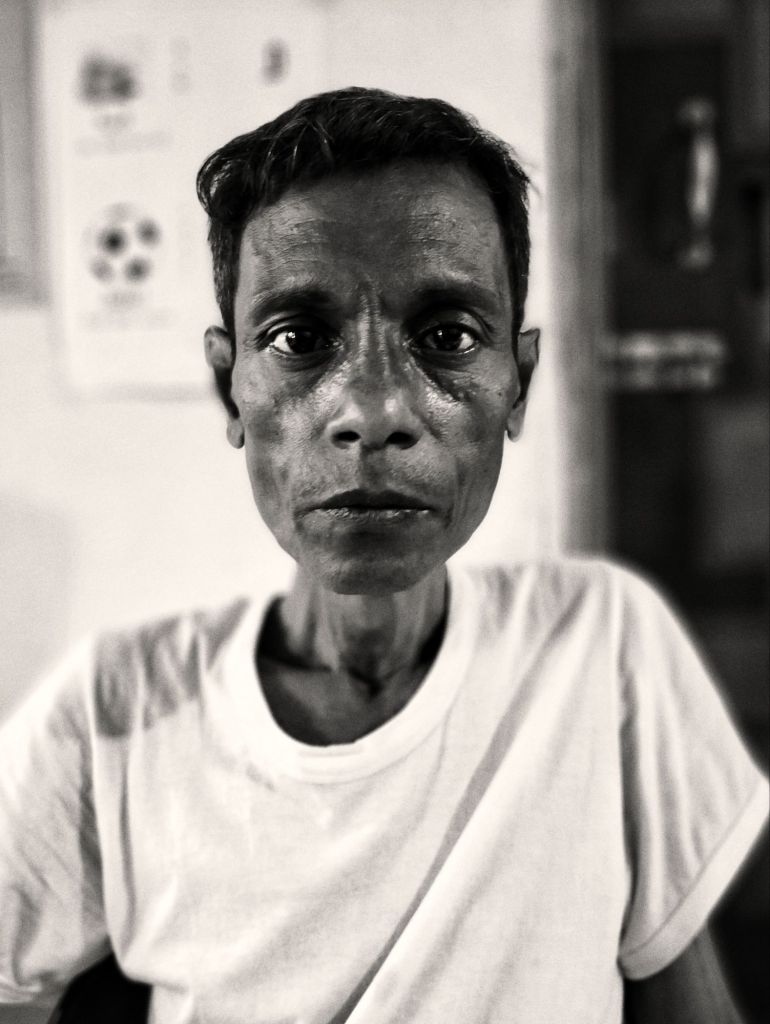
Photo: Anuwar Sadek, This elderly person is a new arrival and becomes a refugee arrived at Bangladesh from the Arakan State, Myanmar and lost one of his five years old son under the drone attack of Arakan Arakan Army AA on August 2024

Persecution, killings, imprisonment, torture, forced labor, movement restrictions, and many other forms of oppression against the Rohingya minority by the brutal Burmese government are not new. These atrocities have been ongoing since the early years following Myanmar’s independence from British colonial rule. Most recently, a new armed group claiming authority—the so-called Arakan Army (AA)—with terroristic intentions of ethnically cleansing the remaining Rohingya Muslims from Arakan (Rakhine) State, has reportedly killed more than 5,000 civilians across Maungdaw, Buthidaung, Rathidaung, and other regions.

For a single Rohingya, trying to live a normal life has become like surviving in a battlefield that feels more like a graveyard. Can anyone truly understand what it means to live with the constant fear of death, without access to even the most basic necessities? It is not easy—perhaps impossible—for any human being to survive in such a condition.

Due to the unbearable persecution inflicted by the Burmese government, the Rohingya people have endured multiple waves of forced exodus—each one a desperate search for a place where they can live without the fear of being killed. These journeys have repeatedly ended in Cox’s Bazar, Bangladesh, where over a million Rohingya now take shelter and survive under more humane conditions. The warm hospitality extended by the people and government of Bangladesh will never be forgotten. It is an act of humanity that deserves eternal gratitude—and surely, divine reward.

According to the United Nations, more than 122.6 million people have been forcibly displaced worldwide. Among them are the Rohingya, driven from their ancestral homeland of Myanmar. Being a refugee does not strip a person of their humanity. Refugees still carry hope, emotions, anger, decisions, feelings, and dreams—just like anyone else. But all of these are suppressed, locked away under the label of “refugee,” often treated like prisoners in cages.

Have you ever truly noticed how emotionally shattered a refugee can be? Have you heard the silence of their unheard voices? They live like birds in a cage—unable to fly, speak, or be free.

Countless Rohingya activists, diaspora leaders, camp-based organizations, youth leaders, elders, and women have tirelessly tried to make their voices heard by international institutions such as the ICC, ICJ, and OIC. But the world often listens without responding. Is it not the responsibility of these international bodies to ensure equal justice for vulnerable communities like the Rohingya? If not—then what is the purpose of international justice at all?
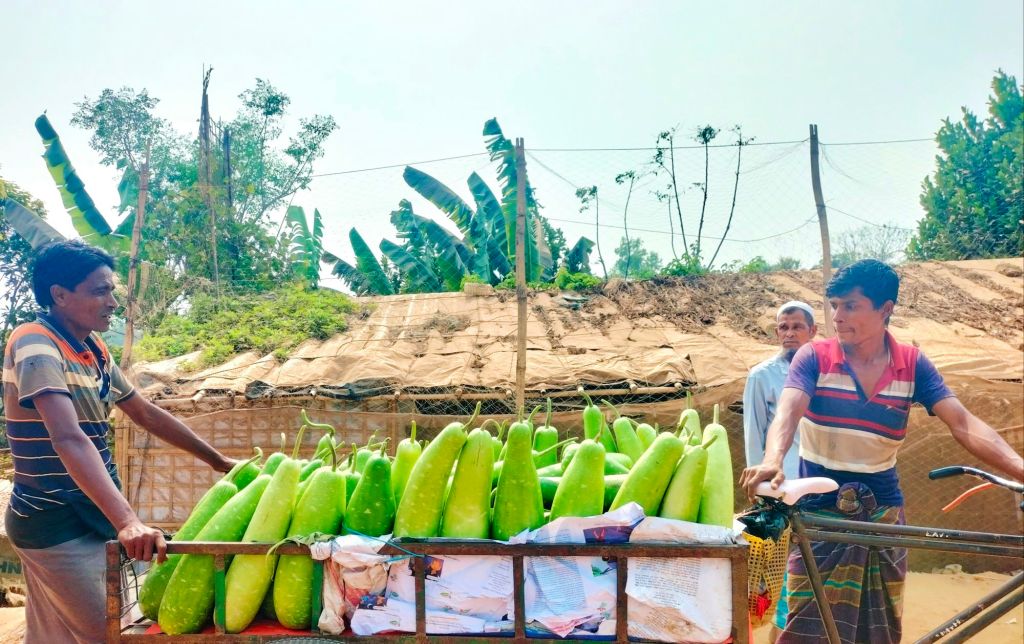
The Climate Crisis and Rohingya Refugee Ration Cuts: A Humanitarian Emergency

Words by Mohammed Anuwar and Photos by Anuwar Sadek

The Rohingya refugee community is facing a dire humanitarian crisis as food rations have been slashed from $12 to just $6 per person. This drastic cut is not merely a funding issue—it is a direct consequence of the escalating global climate crisis. Extreme weather events are disrupting aid supply chains, reducing global food production, and worsening the already fragile conditions in the refugee camps. Here’s how the climate crisis is impacting our community and why urgent action is needed:

1. Climate Disasters Disrupting Aid Delivery
Flooding and Landslides

Heavy monsoon rains frequently wash away roads, damage infrastructure, and make it nearly impossible for aid trucks to reach the camps.
Violent storms disrupt supply chains, delay food shipments, and leave the community even more vulnerable to hunger. Extreme heat and prolonged droughts are reducing global food production, increasing food prices, and making it harder for aid agencies to meet refugees’ needs

2. Global Food Shortages and Rising Costs

Climate change is devastating agriculture worldwide, causing crop failures and supply chain disruptions. Food prices are skyrocketing due to droughts, floods, and extreme weather, forcing humanitarian organizations to reduce aid budgets.
As a result, Rohingya refugees now receive just $6 in rations per person—barely enough to survive.

3. The Impact on Rohingya Refugees

Families are skipping meals or surviving on inadequate nutrition, leading to widespread malnutrition. Malnourished children, pregnant women, and the elderly are at high risk of illness, while weakened immune systems make diseases spread faster.

4. Broader Consequences of Ration Cuts

Desperate for survival, many are at risk of exploitation, child labor, and human trafficking. Scarce resources are fueling conflicts within the camps, further destabilizing an already fragile situation.

5. A Call for Immediate Action
The international community must recognize the climate crisis as a direct cause of worsening refugee conditions.
Immediate funding is needed to restore food rations and prevent further hunger-related deaths.
Long-term solutions must include climate resilience strategies, sustainable aid distribution, and stronger global commitments to refugee rights

Conclusion
The ration cut from $12 to $6 is not just a statistic—it’s a life-threatening reality. The climate crisis is no longer a distant threat; it is here, and it is pushing the Rohingya community to the brink of survival. We urge the world to act now before it is too late. Our lives depend on it.

” An insightful article by Mohammed Anuwar, a young Rohingya climate change activist working in the UNHCR environmental sector and also a grade-12 student of our Life Destination High School.”